Makar Sankranti, Pongal and Lohri 2027: Dates, Punya Kaal and How India Celebrates the Harvest
Lohri and Bhogi fall on Thursday, January 14, 2027. Makar Sankranti, Thai Pongal, Uttarayan and Magh Bihu follow on Friday, January 15, because the Sun's move into Capricorn happens after sunset on the 14th. Dates, timings and traditions.
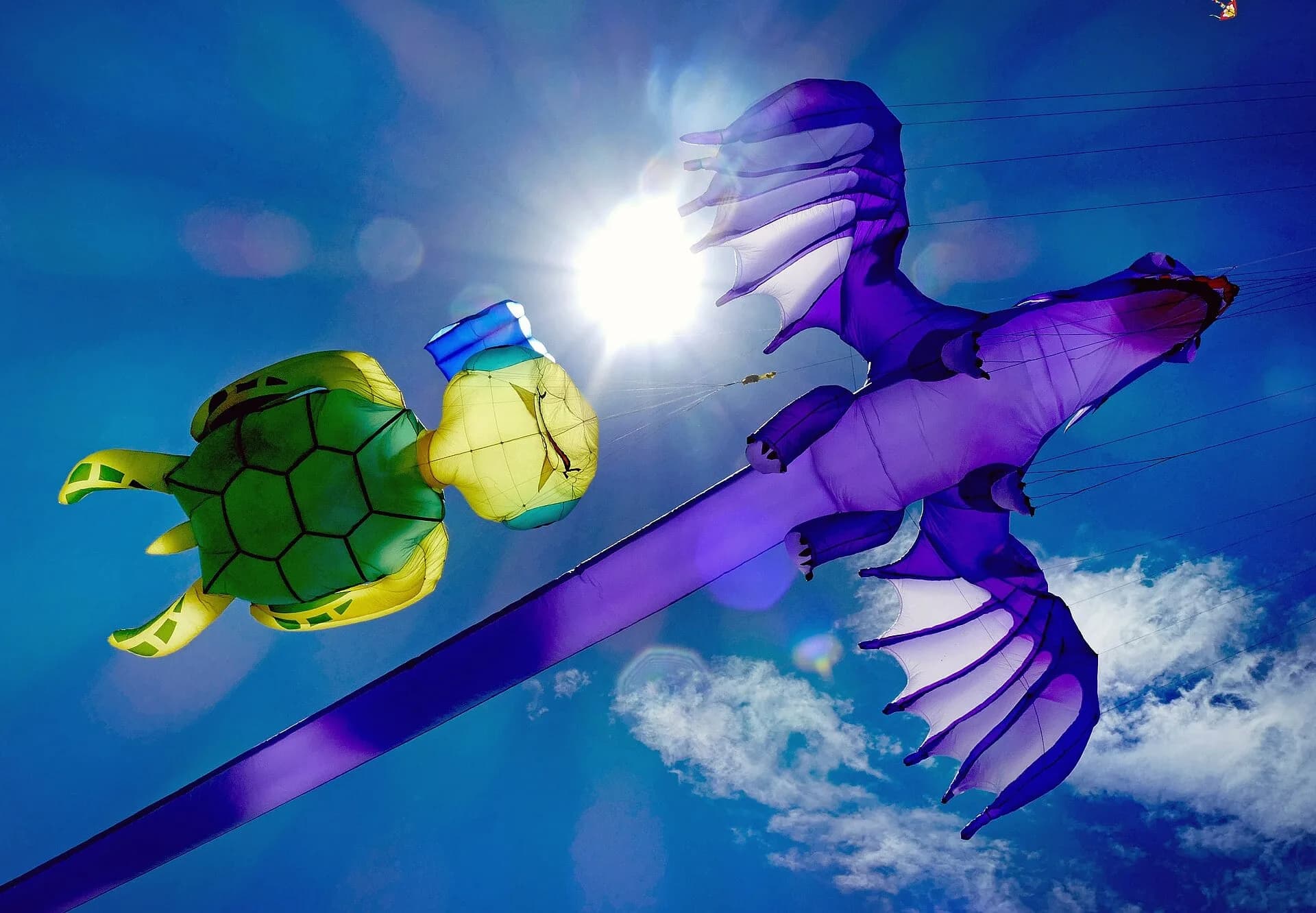
Mid-January brings India's biggest harvest celebrations, under many names: Lohri in Punjab, Pongal in Tamil Nadu, Uttarayan in Gujarat, Magh Bihu in Assam and Makar Sankranti almost everywhere else. In 2027, the main day falls on Friday, January 15, a day later than many people expect. Here is why, and how each region celebrates.
Quick answer
- Lohri: Thursday, January 14, 2027 (evening bonfire).
- Bhogi (first day of Pongal): Thursday, January 14.
- Makar Sankranti, Thai Pongal, Uttarayan and Magh Bihu: Friday, January 15.
- Mattu Pongal: Saturday, January 16; Kaanum Pongal: Sunday, January 17.
- Why the 15th: the Sun enters Capricorn (Makara) at about 9:14 pm on January 14, after sunset, so the holy period shifts to the next day.
- Punya kaal (north India, for example Karnal): about 7:18 am to 5:45 pm on January 15, with the most auspicious window in the first two hours after sunrise.
Why isn't it January 14?
Makar Sankranti is a solar festival: it marks the moment the Sun moves into the zodiac sign of Capricorn. That is why, unlike most Hindu festivals, it falls on almost the same date every year.
But the exact moment drifts by a few hours each year. In 2027, it happens at about 9:14 pm on January 14. By tradition, if the transit happens after sunset, the bathing, prayers and charity of the punya kaal move to the next morning. So most panchangs, including Drik Panchang, mark January 15. Some calendars and holiday lists may still show January 14; check your local listing.
Punya kaal timings
The punya kaal is the auspicious period for a holy dip, prayers to the Sun and charity. On January 15, 2027, Drik Panchang lists:
- Karnal (Haryana): 7:18 am to 5:45 pm, with the maha punya kaal from 7:18 am to 9:03 am.
- Ranchi (Jharkhand): 6:33 am to 5:24 pm.
- Pune (Maharashtra): 7:10 am to 6:18 pm.
Timings vary with sunrise and sunset in your city.
Lohri: Punjab's bonfire night (January 14)
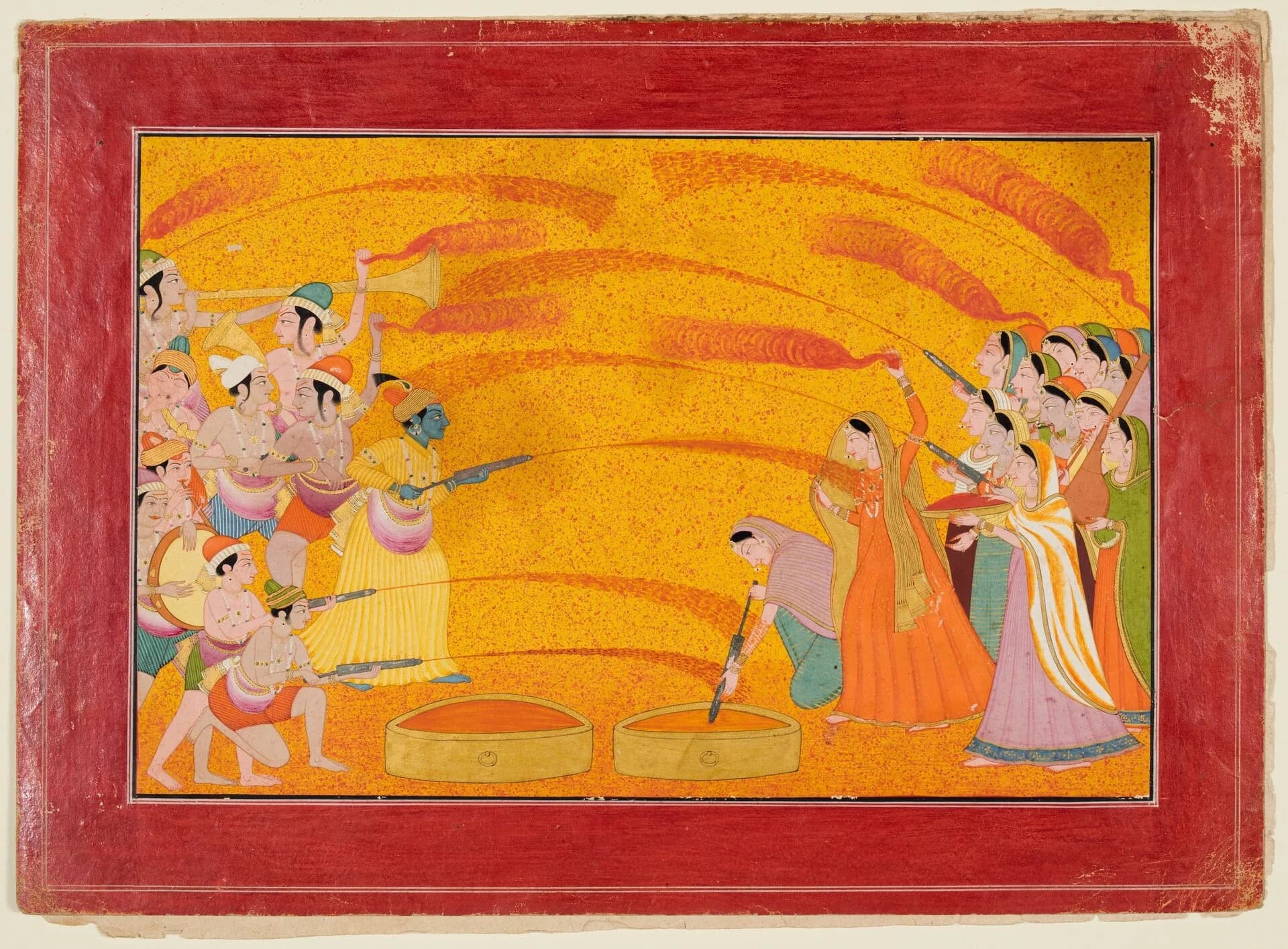
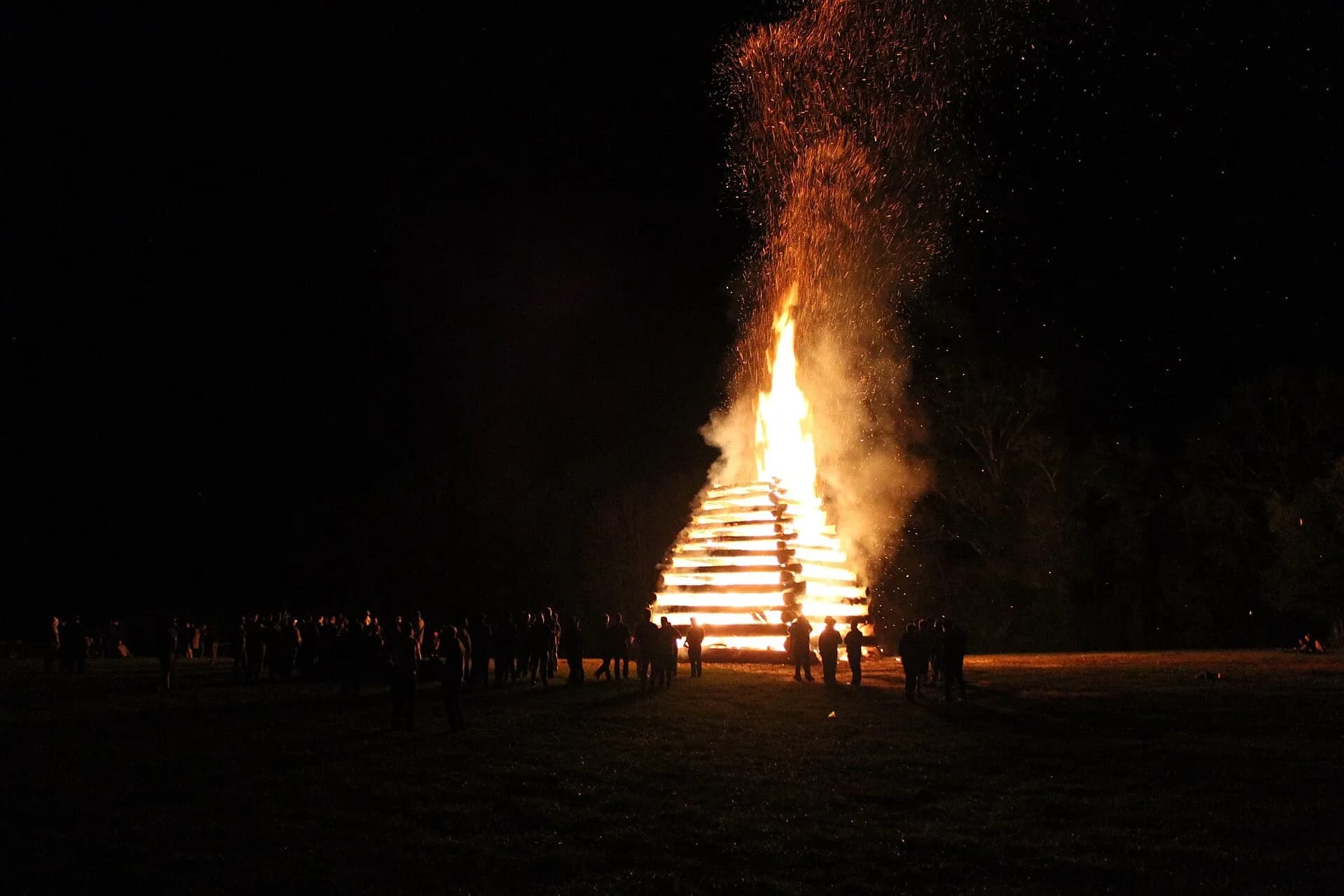
Lohri marks the end of the coldest stretch of winter. Families and neighbours light a bonfire at dusk, walk around it, and throw in til (sesame), gur (jaggery), peanuts, popcorn and rewri as offerings. People sing folk songs, including the tale of Dulla Bhatti, a Robin Hood-like hero, and dance bhangra and giddha. Lohri is especially big for families celebrating a new bride or a newborn.
Pongal: Tamil Nadu's four-day harvest festival (January 14 to 17)
- Bhogi (January 14): old things are discarded and burned, symbolising a fresh start.
- Thai Pongal (January 15): the main day. Rice is boiled with milk and jaggery in a new pot until it overflows, while families shout "Pongalo Pongal!", a wish for abundance. The dish is offered to the Sun.
- Mattu Pongal (January 16): cattle are bathed, decorated and honoured for their work in the fields. In some districts, it is also the day of jallikattu.
- Kaanum Pongal (January 17): a day for family outings and visits.
Uttarayan: Gujarat's kite festival (January 15)
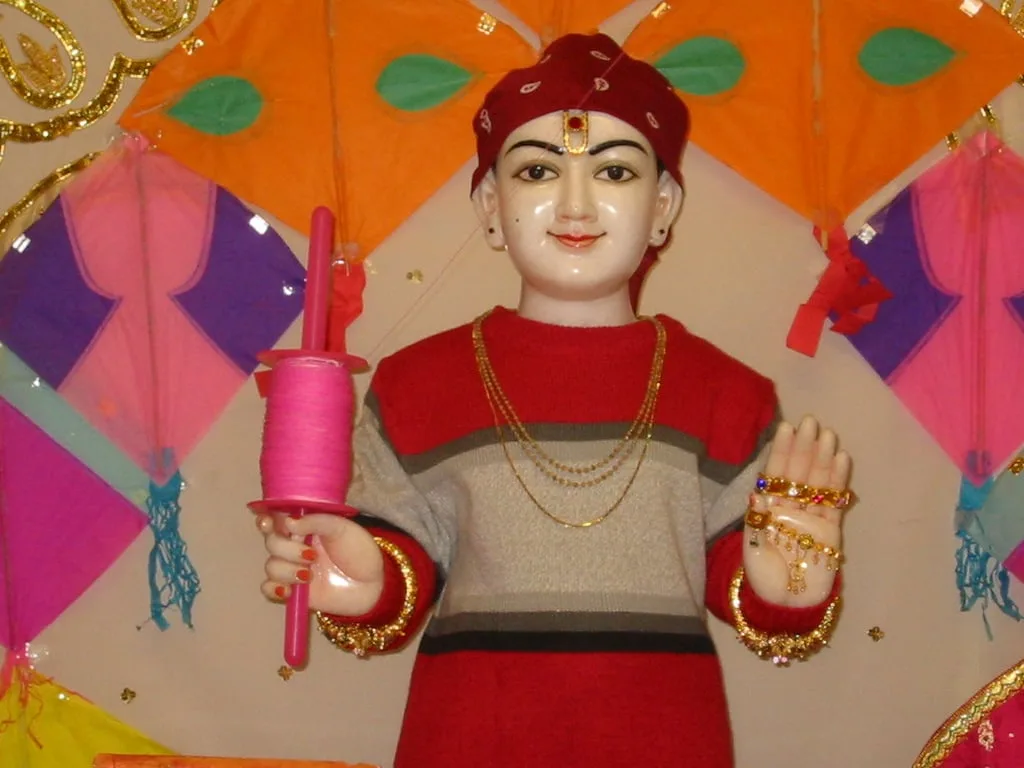
Rooftops across Ahmedabad, Surat and other Gujarati cities turn into battlegrounds as families fly kites from dawn to dusk, trying to cut each other's strings. The day ends with sky lanterns and fireworks. Undhiyu (a mixed vegetable dish) and chikki are essential foods. Ahmedabad usually hosts an International Kite Festival around this time.
Safety: glass-coated and synthetic "Chinese" manja is banned because it injures people and birds. Use cotton thread, keep children away from roof edges, and avoid flying near power lines.
Magh Bihu: Assam's feast (January 14 to 15)
On Uruka, the eve of Magh Bihu, communities build temporary huts called bhelaghar and meji (bonfire structures) and feast through the night. The next morning, the meji is burned, and the day is spent eating pitha (rice cakes) and laru, and playing traditional games.
Across the rest of India
- Uttar Pradesh and Bihar: Khichdi is cooked and donated, and lakhs bathe in the Ganga at Prayagraj and Varanasi.
- Maharashtra: people exchange tilgul (sesame-jaggery sweets) with the words "Tilgul ghya, goad goad bola": take tilgul and speak sweetly.
- Karnataka: ellu bella, a mix of sesame, jaggery, coconut and peanuts, is shared with neighbours.
- Andhra Pradesh and Telangana: a three-day Sankranti with rangoli, cockfights in some villages, and new clothes.
- West Bengal: Poush Sankranti, with pithe-puli sweets and the Gangasagar Mela pilgrimage.
Why sesame and jaggery?
Til and gur are winter foods across India: warming, energy-rich and easy to store. Sharing them is a symbol of friendship and sweetness in the new season.

Related reading
Sources
This article draws on the following reporting. Dates are when each source was originally published.
- Drik Panchang: 2027 Makar Sankranti, Pongal date and time (Karnal)
- Drik Panchang: 2027 Makar Sankranti, Pongal date and time (Pune)
- Divine Hindu: Makar Sankranti 2027: 15 January date
- Samvat: Hindu Festivals 2027: dates, tithi and festival calendar
Cite or link to this story
Quoting this article or using its figures? Please credit The Daily with a link.
Source: <a href="https://www.thedailymagazine.in/art-culture/makar-sankranti-pongal-lohri-2027">Makar Sankranti, Pongal and Lohri 2027: Dates, Punya Kaal and How India Celebrates the Harvest</a>, The Daily, 15 Oct 2026.Written by
Stories, explainers and features published by The Daily, based on public sources that are listed with every article.
More from The Daily →Enjoyed this story?
Get the best of The Daily in your inbox every Sunday.