Navi Pillay, the Durban Lawyer Who Took On Apartheid, Wins the 2026 Nobel Peace Prize
The South African jurist of Indian Tamil descent is honoured for widening the reach of international law, from Rwanda's war crimes tribunal to the UN's human rights office.
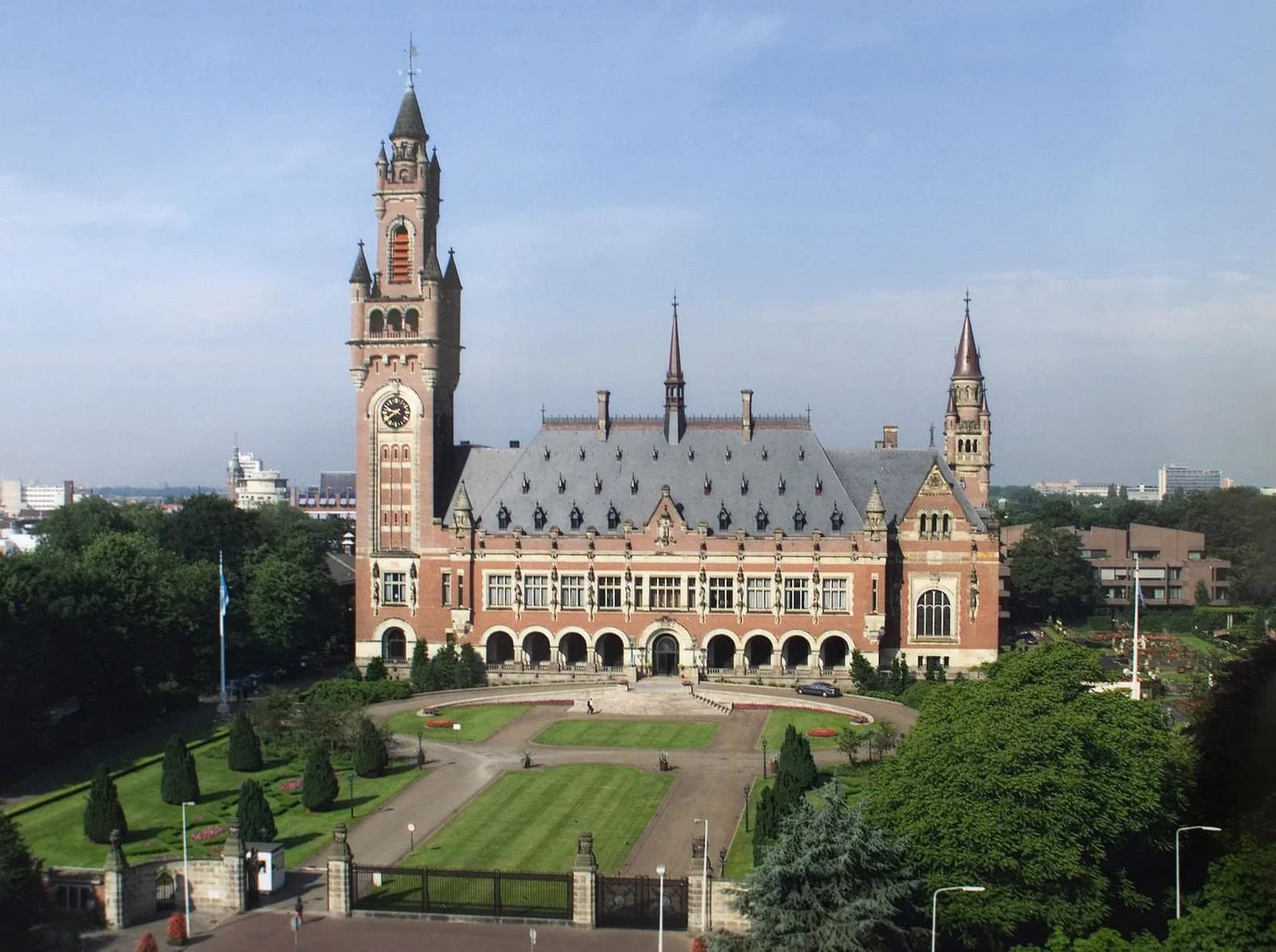
The Norwegian Nobel Committee on Friday, October 9, named Navanethem "Navi" Pillay as the winner of the 2026 Nobel Peace Prize, recognising the South African jurist for her efforts to promote peace and international law. Committee chair Jørgen Watne Frydnes, announcing the award in Oslo, said Pillay had significantly enlarged the scope and impact of international law and had held states and leaders to account on behalf of victims.
For Indian readers, the prize has a familiar thread running through it. Pillay was born in Durban in 1941 into an Indian Tamil family, at a time when apartheid laws decided where people like her could live, study and work.
From Natal to The Hague
Her legal career began as an act of defiance. According to The Week, in 1967 she became the first woman to open a law practice in the province of Natal, and she built her reputation defending anti-apartheid activists in the courts of a system designed to keep them silent.
After apartheid ended, Nelson Mandela nominated her to the High Court of South Africa in 1995. She became the first judge from a non-white background on that bench. Within a few years she had moved to the international stage, serving as a judge and later President of the International Criminal Tribunal for Rwanda, and then as a judge of the International Criminal Court.
In 2008 she was appointed UN High Commissioner for Human Rights. In that role she was outspoken about abuses against Tamil civilians during the final phase of Sri Lanka's civil war, criticism that put her at odds with the Sri Lankan government.
Her later work kept her close to the most contested questions in international law. In 2019 she sat as an ad hoc judge at the International Court of Justice in the case in which Myanmar is accused of genocide, and from 2021 to 2025 she chaired the UN Independent International Commission of Inquiry on the Occupied Palestinian Territory. Outlook notes that the commission, under her leadership, concluded that Israel had committed genocide against Palestinians in Gaza — a finding Israel rejects.
What the prize recognises
The committee's framing matters. Rather than honouring a single peace deal or ceasefire, it chose to recognise a lifetime of building the legal architecture that allows individuals and governments to be held responsible for atrocities. Pillay has consistently argued that both states and individuals have a duty to comply with the rule of law, and that accountability is part of how lasting peace is made.
The award comes with a diploma, a medal and 12 million Swedish kronor, about $1.2 million. It will be presented in Oslo on December 10, the anniversary of Alfred Nobel's death.
This year's committee chose from 287 nominations — 208 individuals and 79 organisations — according to the Norwegian Nobel Institute. The 2025 prize went to Venezuelan opposition leader María Corina Machado.
Why it resonates
Pillay's story connects several histories at once: the Indian diaspora in South Africa, the struggle against apartheid, and the post-Cold War effort to make international criminal justice work. Her prize arrives at a moment when international courts face open hostility from several governments, and when debates over accountability in Gaza, Myanmar and elsewhere remain bitterly divided.
The recognition is likely to renew those debates rather than settle them. But for a lawyer who began by defending activists in a courtroom that did not treat her as an equal, it is a striking endorsement of the idea that law, patiently built, can protect people from power.
Sources
This article draws on the following reporting. Dates are when each source was originally published.

Written by
Newsroom
Reporting, explainers and analysis from The Daily’s editorial desk, based on verified public sources that are listed with every story.
More from The Daily Desk →Enjoyed this story?
Get the best of The Daily in your inbox every Sunday.


