Supreme Court Tells Centre Not to Shut Delhi Metro as Youth Protest Against Election Chief Looms
With 57 stations set to close and thousands of personnel deployed ahead of October 10, the court asked authorities to keep restrictions 'only to the extent necessary'.
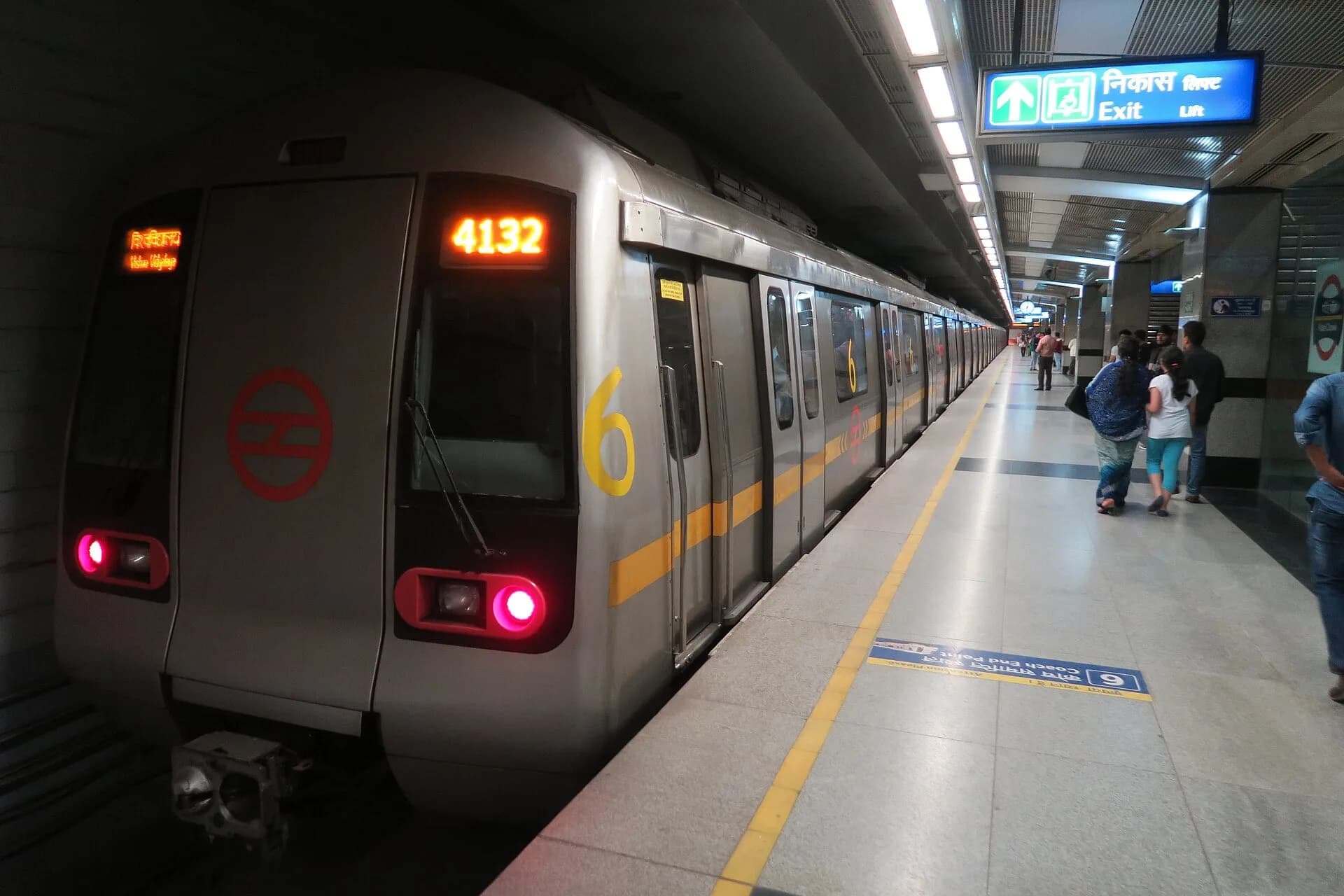
The Supreme Court on Friday, October 9, directed authorities not to impose a complete shutdown of Delhi Metro services on October 10, the day the Cockroach Janta Party (CJP) and other youth groups plan to protest in the capital demanding the resignation of Chief Election Commissioner Gyanesh Kumar.
A bench of Chief Justice of India Surya Kant and Justices Joymalya Bagchi and V. Mohana said security restrictions must be proportionate and must not leave commuters without public transport. The court asked authorities to issue a traffic advisory and to publicise revised transport arrangements widely, and asked the Union government to consider an alternative venue in Delhi where the protest could be held with proper facilities.
A city braced for a protest
The hearing came as Delhi prepared for a heavy security operation. According to Outlook, Delhi Police refused the CJP permission to protest at Jantar Mantar, citing short notice — its guidelines require ten days — alleged violations of undertakings given at an earlier demonstration, and the law-and-order situation. Prohibitory orders under Section 163 of the Bharatiya Nagarik Suraksha Sanhita are in force in New Delhi.
Outlook reported that the plan included closing entry and exit gates at 57 Metro stations and that more than 20,000 Delhi Police and paramilitary personnel were being deployed, mainly in central Delhi. The Railway Board also ordered the cancellation of mail and express trains due to arrive at New Delhi and Hazrat Nizamuddin stations between 4 am and 2 pm on October 10, though the railways did not say this was linked to the protest.
In court, the bench questioned the scale of these measures. Justice Bagchi asked how stations could be shut from 9 am when train frequency was only being reduced. Solicitor General Tushar Mehta told the court the Metro was not being shut entirely and that the Centre would ask authorities to reconsider and run services in a regulated way.
The government also told the court that an earlier protest, permitted for one day, had continued for 17 days and that more than 200 police personnel had been injured in a previous confrontation. Lawyers appearing on the other side alleged that police had visited mosques to discourage people from joining the protest. The bench did not rule on either set of claims and said the authorities would have to be heard.
The dispute behind the protest
The protest grows out of a months-long controversy over the Election Commission of India. As The Week reported in its October cover story, the Commission's two other members, Election Commissioners Sukhbir Singh Sandhu and Vivek Joshi, reportedly recorded objections at least a dozen times in under a year. The reported objections concerned voter additions and deletions, appeals, Form 6, access to the electoral-roll database and the technology used to manage the rolls.
Much of the anger centres on the Special Intensive Revision (SIR) of electoral rolls, which began in Bihar in June 2025 and later expanded to other states. Critics, including former Chief Election Commissioners, have questioned the documentary burden placed on new voters. Congress has demanded Kumar's resignation, and CJP founder Abhijeet Dipke has called him a threat to Indian democracy.
The Commission's position, as reported by The Week, is that differences of opinion are normal in a multi-member body and that its final decisions, including the SIR order, were unanimous. At a September 26 meeting attended by all three commissioners, it announced it would circulate agendas in advance and issue minutes, and it has ordered an independent review of its electoral-roll software. The government and the BJP reject the argument that disagreements within the Commission point to an institutional crisis.
What to watch
The protest itself takes place on Saturday, October 10, and the Centre's response to the court's suggestion of an alternative venue will shape how it unfolds. Commuters are advised to check Delhi Metro and traffic police advisories before travelling.
Sources
This article draws on the following reporting. Dates are when each source was originally published.
- The Week: Supreme Court bars complete Delhi Metro shutdown ahead of CJP protest, asks Centre to consider alternative venue ·
- Outlook India: 57 Metros Shut, 20,000 Personnel Deployed As Delhi Gears Up For October 10 Protests: What We Know ·
- The Week: Is India's election watchdog compromised? Inside ECI's internal crisis ·

Written by
Newsroom
Reporting, explainers and analysis from The Daily’s editorial desk, based on verified public sources that are listed with every story.
More from The Daily Desk →Enjoyed this story?
Get the best of The Daily in your inbox every Sunday.
