Digital Arrest Scam Explained: How It Works, the Warning Signs and What to Do
No police officer, CBI official or judge in India can arrest you over a video call. Here is how the 'digital arrest' scam traps people, often for days, and the exact steps to take if you or a parent gets that call.
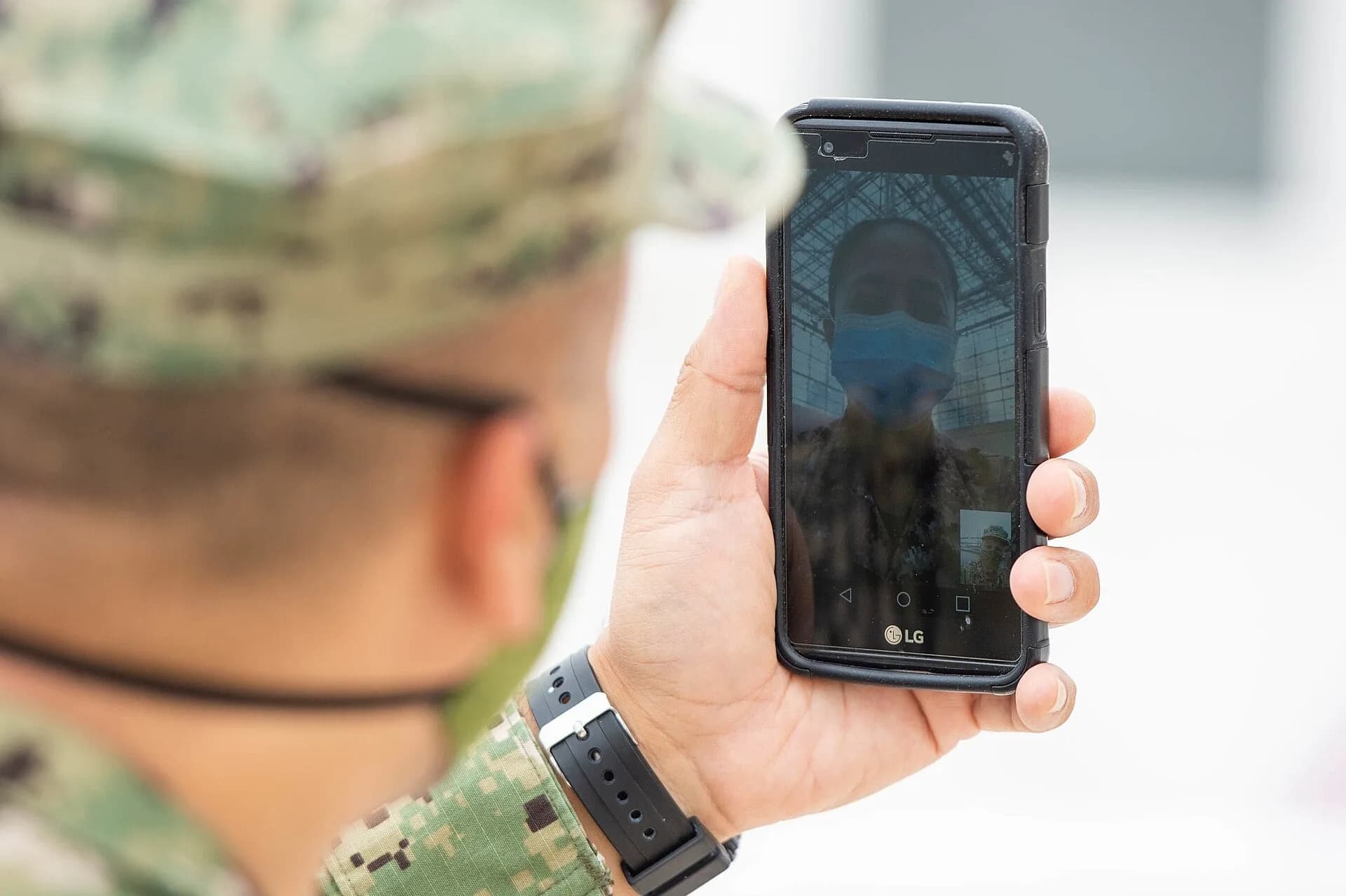
The call usually starts with something ordinary: a courier company saying a parcel in your name has been seized. Within minutes you are on a video call with a "police officer" in uniform, then a "CBI officer", and you are told you are under "digital arrest". You must stay on camera, tell no one and transfer money to "clear your name".
It is all fake. There is no such thing as a digital arrest under Indian law. Here is how the scam works and what to do.
Quick answer
- No police, CBI, ED, customs officer or judge in India can arrest you on a phone or video call. Real arrests happen in person, with documents.
- The scam uses fear, urgency and isolation: you are kept on camera for hours or days and told not to tell family.
- Hang up. Then call 1930, the national cyber fraud helpline, or file a complaint at cybercrime.gov.in.
- If you have sent money, report within the first hour or two. Fast reports give the best chance of freezing the money.
How the scam works, step by step
- The hook. A call, often an automated voice, says a parcel with drugs, fake passports or cash was found in your name. Or that your Aadhaar, phone number or bank account is linked to money laundering.
- The "transfer". You are passed to a "police officer" or "CBI official", often on WhatsApp or Skype video. The set looks like a police station; the person wears a uniform; there may be fake ID cards, case numbers and court orders.
- The arrest. You are told you are under "digital arrest". You must stay on video, may not leave the room and must not tell anyone because the case is "confidential" and "national security".
- The payment. To "verify" your money or get "bail", you are told to transfer savings to a "secure RBI account" or a "verification account" and promised a refund after the inquiry.
- The drain. Once money is sent, demands grow. Some victims are kept on camera for days and made to break FDs or take loans.
The money passes quickly through mule accounts, bank accounts rented or bought from others, and is often moved abroad. Research by the Observer Research Foundation notes that many of these operations are run from scam compounds in South-East Asia.
Warning signs
- A call about a parcel, SIM, Aadhaar or money-laundering case you know nothing about.
- Any official who conducts an "inquiry" on WhatsApp or Skype.
- Being told to stay on camera and not tell family.
- Demands to transfer money to "verify" it, or to pay "bail" or a "fine" online.
- Threatening language and deadlines: "you will be arrested in 30 minutes".
- "Documents" with official logos sent on WhatsApp.
What to do during the call
- Hang up. You have no legal obligation to stay on a video call with anyone.
- Do not share Aadhaar, PAN, bank details or OTPs, and do not install any app they suggest.
- Tell someone you trust immediately.
- Verify independently. If you are genuinely worried, call your local police station using a number you find yourself, not one the caller gives you.
The government's message is simple: "Ruko, Socho, Action Lo": stop, think, then act.
What to do if you have already paid
- Call 1930 immediately, or file at cybercrime.gov.in under "financial fraud". Have the transaction IDs, account numbers and time of transfer ready.
- Call your bank to report the fraud and block further debits.
- Keep evidence: screenshots of the calls, numbers, chats and documents they sent.
- File an FIR at your local police station or cyber cell with the acknowledgement number from your complaint.
Our step-by-step guide to reporting cyber fraud on 1930 and cybercrime.gov.in explains each screen.
What the government is doing
The Supreme Court took up the issue in October 2025 after a senior citizen couple in Ambala lost ₹1.05 crore. It allowed the CBI to investigate digital arrest cases and the role of banks. In a status report in early 2026, the Home Ministry told the court that the CBI would take up cases involving losses of ₹10 crore or more, and set out procedures for freezing fraud-linked accounts and returning recovered money.
The telecom department has ordered messaging apps to tie accounts to active SIM cards, and banks are using the RBI's MuleHunter.AI tool to spot mule accounts.
Talk to your parents
Older people are frequent targets because they are more likely to trust official-sounding callers and less likely to ask for help. Share one rule with your family today: no real officer will ever arrest you on a video call or ask you to transfer money.
Related reading
Sources
This article draws on the following reporting. Dates are when each source was originally published.
- MediaNama: MHA tells Supreme Court: CBI to probe digital arrest losses over Rs 10 crore ·
- Observer Research Foundation: Digital arrest scams and the limits of domestic enforcement
- National Cyber Crime Reporting Portal: Report cyber crime (Ministry of Home Affairs)
Cite or link to this story
Quoting this article or using its figures? Please credit The Daily with a link.
Source: <a href="https://www.thedailymagazine.in/technology/digital-arrest-scam-explained">Digital Arrest Scam Explained: How It Works, the Warning Signs and What to Do</a>, The Daily, 15 Oct 2026.Written by
Stories, explainers and features published by The Daily, based on public sources that are listed with every article.
More from The Daily →Enjoyed this story?
Get the best of The Daily in your inbox every Sunday.