UPI Charges for Merchants Deferred Until After Diwali: Who Pays, How Much, and What It Means for You
NPCI has postponed a 0.4% fee on some shop payments above ₹2,000 that was due to start on October 15. Customers will not pay it, and person-to-person transfers stay free.
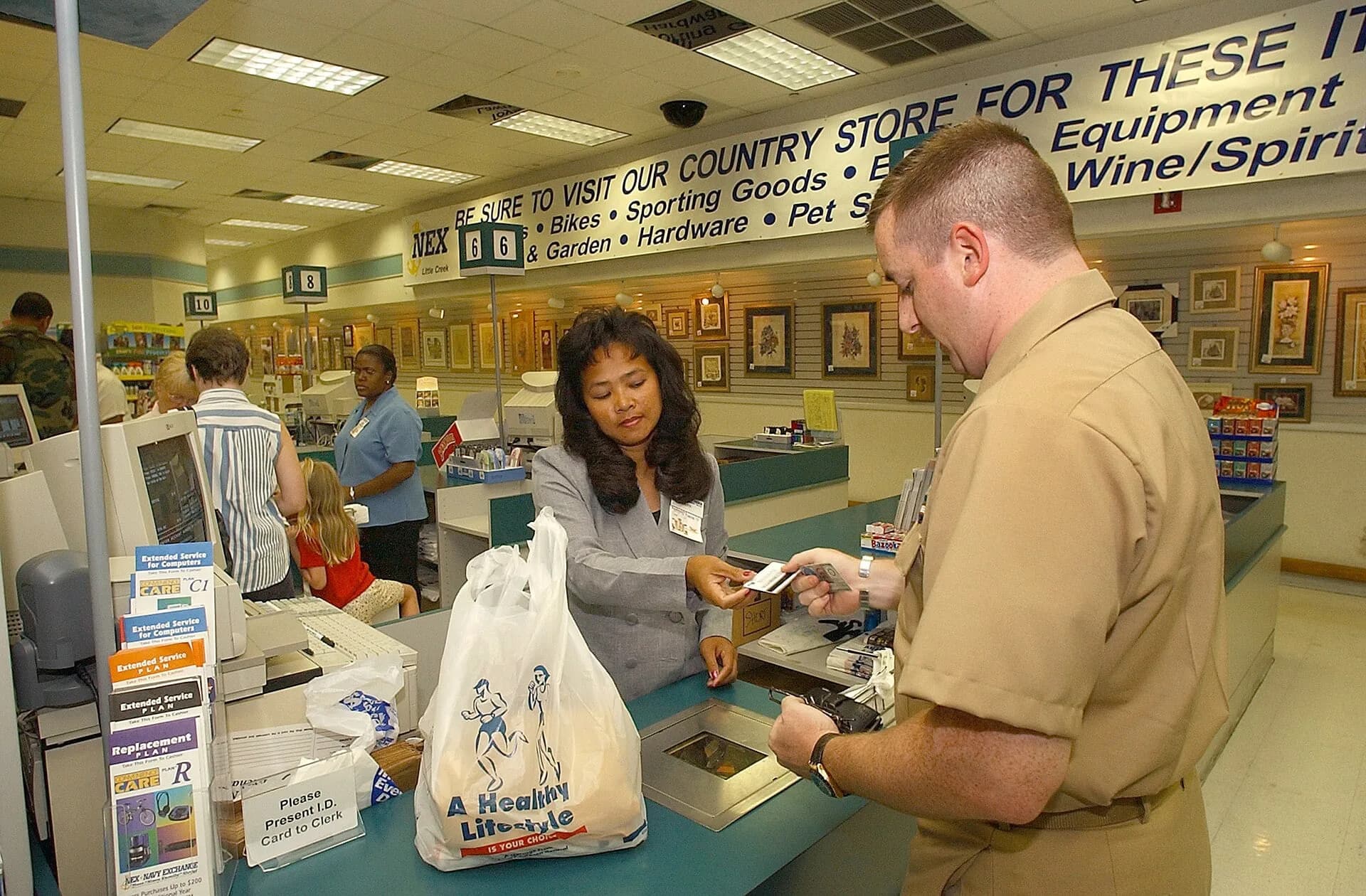
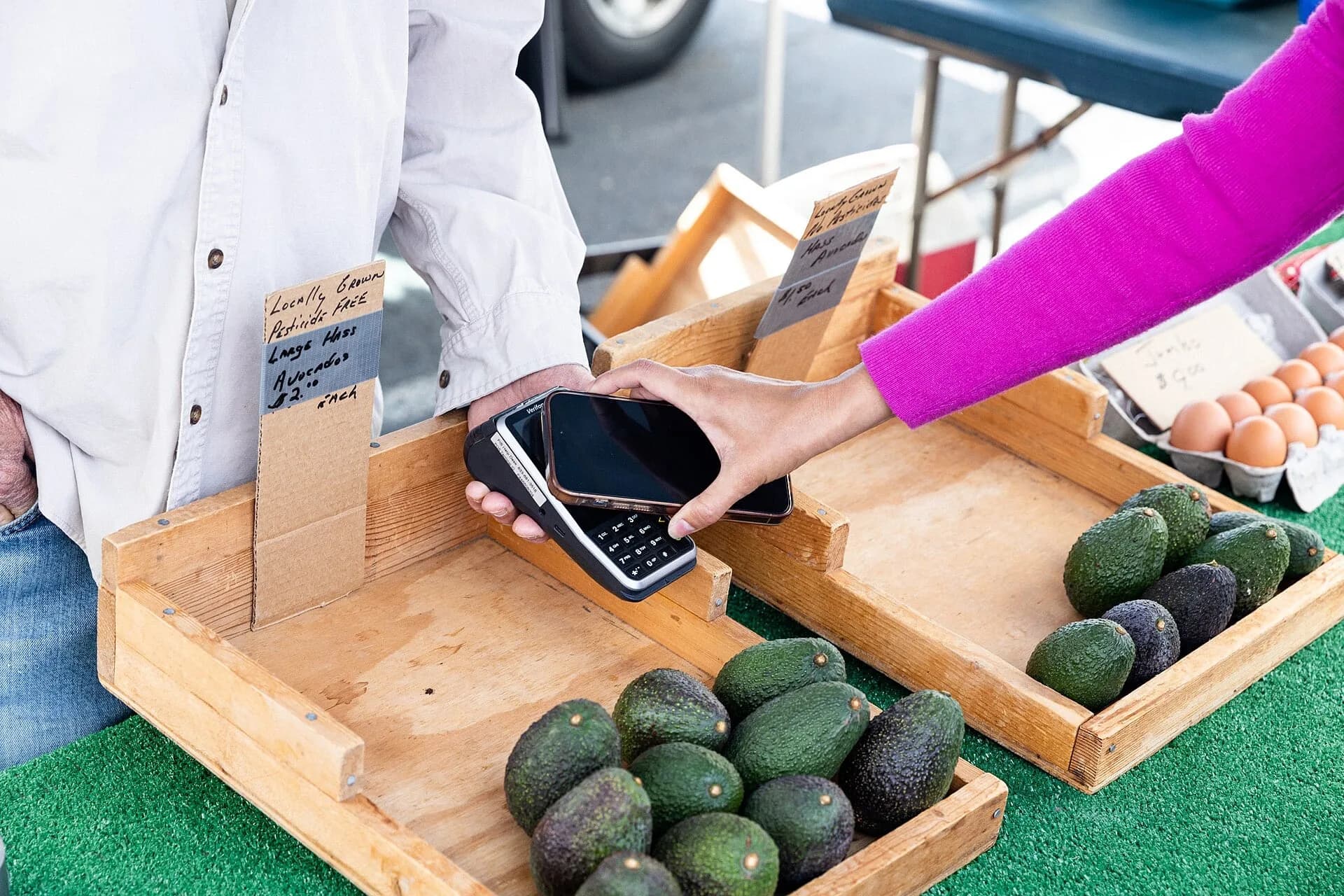
If you pay for groceries, a phone recharge or a festive outfit by scanning a QR code, nothing changes for you this Diwali. The National Payments Corporation of India (NPCI), which runs UPI, has postponed a new fee on some merchant payments that was due to begin on October 15, 2026. The charge will now start "immediately after Diwali", on a date still to be announced.
The decision was announced on October 13, just two days before the fee was to take effect. Here is what the fee is, who would pay it, and why it matters.
Quick answer
- The fee is a merchant discount rate (MDR) of 0.4% on some UPI payments made to shops and businesses.
- It applies only to merchant payments above ₹2,000, and is capped at ₹300 per transaction.
- Customers do not pay it. The merchant does, and banks have been told not to let merchants pass it on.
- Person-to-person transfers stay free, and so do most everyday shop payments.
- The start date has moved from October 15 to after Diwali, which falls on November 8 this year.
What exactly is an MDR?
When you pay a shop with a credit or debit card, the shop pays a small fee to the banks and companies that process the payment. That fee is called the merchant discount rate. Card payments have always carried it, which is why some small shops ask for cash for small amounts.
UPI has been different. Since January 2020, payments made through UPI from a bank account have carried zero MDR, by government policy. That made UPI free for both sides and helped it become India's most popular way to pay. But the system still costs money to run. According to PSU Watch, NPCI chief executive Dilip Asbe has put UPI's annual operating cost at about ₹21,000 crore.
What was planned
The framework was announced on September 15. Under it:
- a 0.4% fee applies to eligible person-to-merchant (P2M) payments above ₹2,000;
- the fee is capped at ₹300, a limit reached on a payment of ₹75,000;
- the merchant, not the customer, pays.
Here is what that means in rupees:
- A ₹1,500 payment: the shop pays ₹0 (below the ₹2,000 limit)
- A ₹10,000 payment: the shop pays ₹40
- A ₹50,000 payment: the shop pays ₹200
- A ₹1,00,000 payment: the shop pays ₹300 (the cap)
According to the government, about 96% of merchant transactions would stay outside the fee, because most UPI payments to shops are small. Industry estimates cited by PSU Watch suggest the fee could raise ₹13,000 crore to ₹15,000 crore in its first year to fund the system.
Why it was delayed
Traders pushed back hard. Trade associations had called a nationwide "No UPI Day" for October 2, which they withdrew after meeting Finance Minister Nirmala Sitharaman on September 30. A public interest petition also challenged the framework, and the Supreme Court declined to put it on hold on September 28.
The main concern was timing. Retailers told NPCI that the festive and wedding season is their busiest period, and that adding a new cost now would squeeze thin margins and force last-minute changes to billing and accounts. The Clothing Manufacturers Association of India said UPI has become the default way to pay at store counters, and pointed out that many festive and wedding purchases, especially clothes, cost more than ₹2,000.
NPCI's steering committee agreed to wait. It said the fee would be brought in immediately after Diwali, keeping the festive season in mind. The framework itself has not been withdrawn or changed.
Who welcomed it, and who is worried
The Confederation of All India Traders welcomed the delay as relief for small businesses. Kumar Rajagopalan of the Retailers Association of India said a fixed fee would be easier for shops to manage than a percentage. Payment companies, on the other hand, are still waiting for clarity on when they can start earning from UPI. Shares of Paytm swung sharply on October 14, falling more than 7% before recovering to close higher.
What it means for you
As a customer: nothing changes. You will not pay any extra charge on UPI, before or after Diwali. If a shop asks you to pay an extra amount "for UPI", that goes against the rules banks have been told to follow, and you can raise it with the shop's bank or payment provider.
As a shopkeeper or small business: use the extra weeks to check how the fee would affect you. Most sales below ₹2,000 are unaffected. For bigger bills, work out the cost in advance, and ask your payment provider how it will show the fee on your statements.
As an investor: watch for NPCI's new date. Payment companies' earnings depend on whether, and how, the fee is rolled out.
The bigger picture
UPI's success was built on being free. The challenge now is to pay for a system that handles billions of transactions a month without losing the habits it created. The government's approach, charging only large merchant payments and keeping the customer out of it, is a compromise. Whether it survives the post-Diwali rollout, or changes again, will be one of the key payment stories of the coming months.
For more on how the festive season is shaping spending, read about this week's IPO rush and the RBI's latest rate hike.
Related reading
Sources
This article draws on the following reporting. Dates are when each source was originally published.
- PSU Watch: UPI fee rollout deferred under traders' pressure? NPCI's Diwali reprieve raises questions over policy timing ·
- Punekar News: NPCI defers MDR on select UPI transactions until after Diwali ·
- TradingView (BusinessLine Morning Report): Top Business & Market Headlines Today — BL Morning Report, October 14, 2026 ·
Written by
Stories, explainers and features published by The Daily, based on public sources that are listed with every article.
More from The Daily →Enjoyed this story?
Get the best of The Daily in your inbox every Sunday.