Crude Oil Above $100: Why Petrol and Diesel Prices Haven't Moved, and Who Is Paying the Difference
Brent crude has climbed past $106 a barrel on Gulf attacks, but state-run fuel retailers have kept pump prices unchanged. ICRA estimates their losses at about ₹530 crore a day.
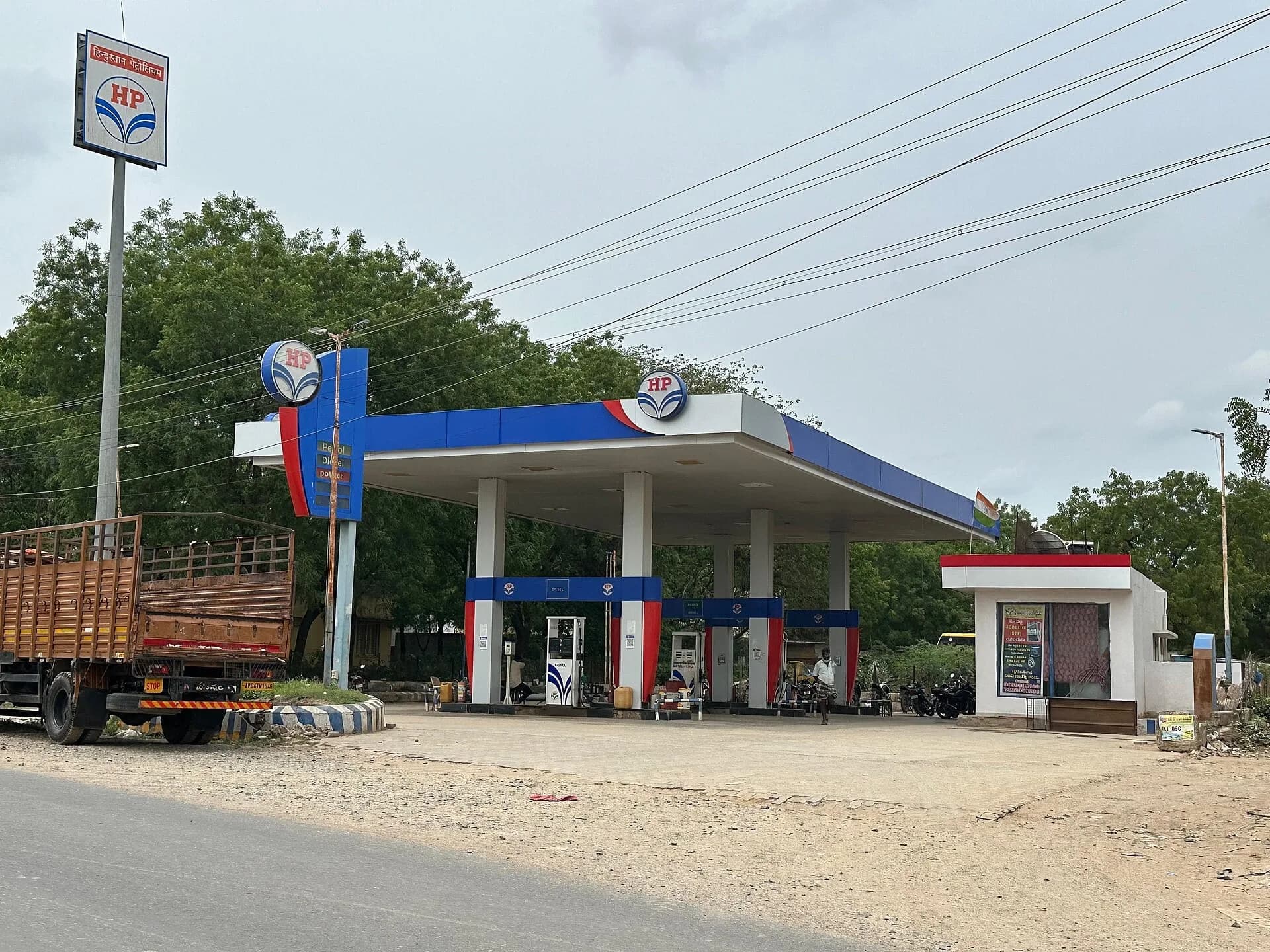
The price of crude oil has jumped. Brent, the global benchmark, rose to more than $106 a barrel this week after new attacks on Saudi targets, according to Business Today. Yet if you filled up your car or bike today, you paid the same price as last week. State-run oil companies have chosen not to pass on the increase, at least for now.
That decision keeps household budgets steady during the festive season, but it comes at a cost. Here is how fuel pricing works in India, today's prices, and what could change.
Quick answer
- Brent crude is above $106 a barrel. Earlier this autumn, India's crude basket touched $117.4, against an average of about $66 last year.
- Petrol and diesel prices are unchanged at state-run pumps run by Indian Oil, Bharat Petroleum and Hindustan Petroleum.
- Ratings agency ICRA estimates these companies are losing about ₹530 crore a day: roughly ₹8 on every litre of petrol and ₹9 on every litre of diesel.
- Private retailers Jio-bp and Nayara Energy have raised their prices in recent days, Business Today reports.
Today's prices
Prices on October 14, 2026, as listed by Business Today:
- Delhi: petrol ₹102.12, diesel ₹95.20 a litre
- Mumbai: petrol ₹111.21, diesel ₹97.83 a litre
- Kolkata: petrol ₹113.51, diesel ₹99.82 a litre
- Chennai: petrol ₹107.76, diesel ₹99.55 a litre
- Bengaluru: petrol ₹111.68, diesel ₹99.56 a litre
- Hyderabad: petrol ₹116.15, diesel ₹104.23 a litre
Prices differ between cities mainly because each state charges a different rate of VAT on fuel.
Why crude is so expensive right now
ICRA points to several shocks hitting at once: renewed tension between the US and Iran, the shutdown of Saudi Arabia's East-West oil pipeline, and Houthi attacks around the Red Sea. This week, attacks linked to the Houthis on Saudi targets pushed prices up again. Read our report on the attacks on Riyadh's airport for the wider story.
India buys more than 85% of the crude oil it uses from abroad, so global prices matter enormously. A weaker rupee makes things worse, because oil is paid for in dollars.
Who absorbs the cost?
In theory, petrol and diesel prices in India are set freely by oil companies. In practice, the three state-run companies, which sell most of the country's fuel, often hold prices steady when crude jumps, and recover the money later when crude falls. That is what is happening now.
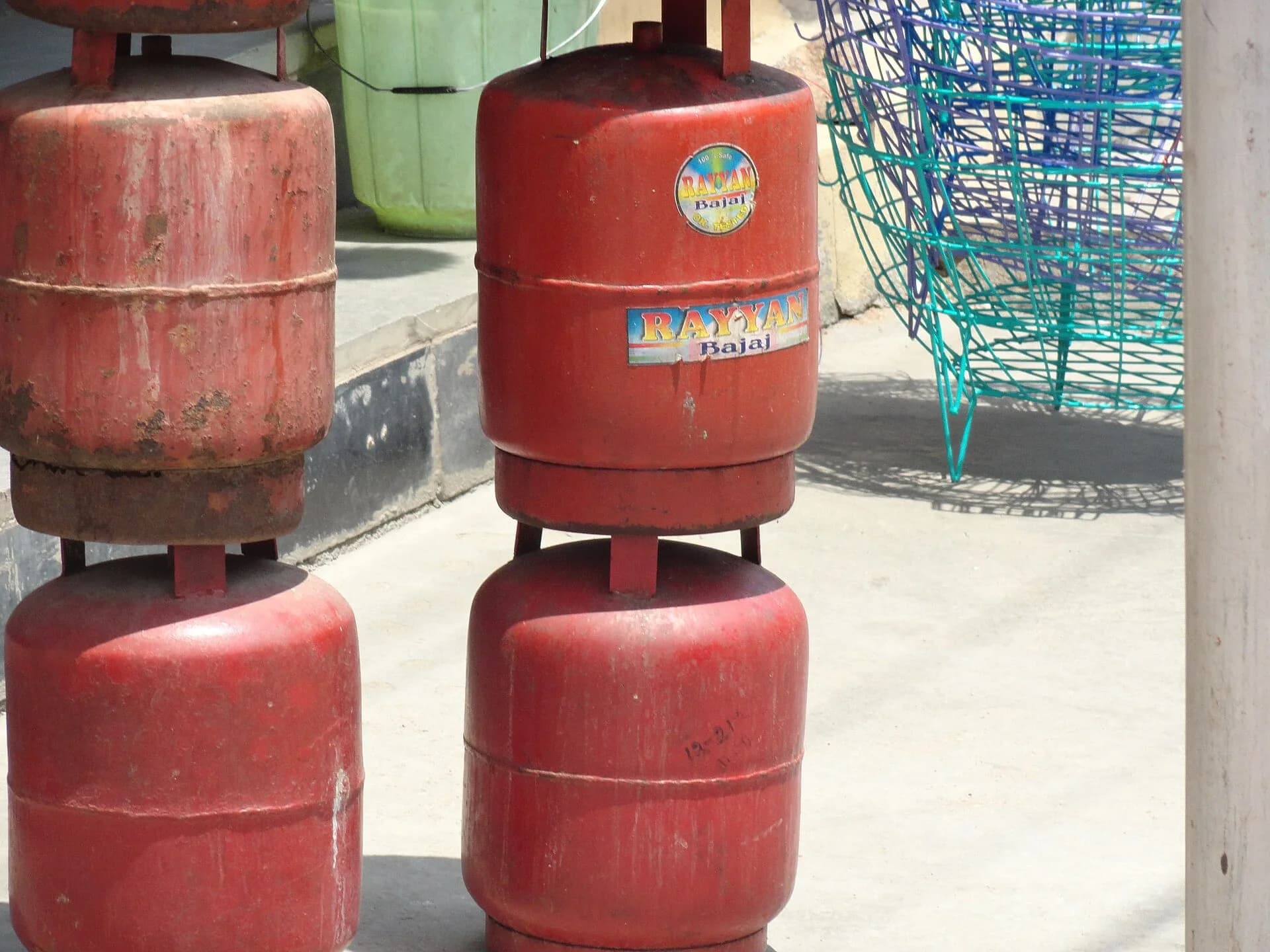
The losses are large. ICRA estimates that these companies are selling petrol at about ₹8 a litre below cost and diesel at about ₹9 below, adding up to about ₹530 crore a day. Cooking gas is also sold below cost: ICRA put the loss at about ₹300 per LPG cylinder in September, on top of an accumulated LPG shortfall of more than ₹61,000 crore.
The government has softened the blow in one way. It charges a special duty on exports of diesel and aviation fuel, which keeps more fuel at home at a lower transfer price. Even so, ICRA warns that the oil companies' profits, cash flow and borrowing are under pressure.
Will prices go up?
Nobody can say for certain. Fuel prices in India have often stayed frozen for months during periods of high crude, especially before elections or festivals. A lot depends on three things:
- Where crude goes next. If the Gulf calms down, prices could ease, as they did briefly to about $103 earlier this month.
- The rupee. A stronger rupee would reduce the cost of imports.
- Government choices. The Centre could cut excise duty, ask states to reduce VAT, or let companies raise prices gradually.
Private retailers have already moved, which shows the pressure building. If you live near a Jio-bp or Nayara pump, compare prices with state-run outlets before filling up.
What it means for you
- At the pump: prices are steady for now, but a rise later is possible if crude stays high.
- Inflation: costlier diesel raises transport costs, which can push up food prices. Retail inflation was already 5.54% in September.
- Interest rates: higher inflation makes further rate rises by the RBI more likely. Read about the RBI's latest hike.
- Investors: shares of oil companies tend to fall when they absorb losses, while airlines and paint and tyre makers suffer from costlier raw materials.
Tips to save fuel
- Keep tyres at the recommended pressure.
- Avoid sudden acceleration and braking.
- Service your vehicle on time and remove unnecessary weight.
- Combine errands into one trip, and use public transport or car-pool where you can.
For more on how oil and markets are linked, read our report on the Sensex's 1,045-point fall.
This article is for information only and is not investment advice.
Related reading
Sources
This article draws on the following reporting. Dates are when each source was originally published.
- Business Today: Petrol, diesel prices today (October 14): Check latest rates in Delhi, Mumbai, Chennai, Kolkata & more ·
- Business Today: Why are oil marketing companies facing Rs 530 crore losses daily? ·
- Kotak Neo: Closing Bell, 13 October 2026: Sensex And Nifty 50 Rebound As Bulls Stage A Comeback ·
Written by
Stories, explainers and features published by The Daily, based on public sources that are listed with every article.
More from The Daily →Enjoyed this story?
Get the best of The Daily in your inbox every Sunday.