Nobel Economics Prize 2026: Robert Hall and Michael Woodford Win for the Models Central Banks Use to Fight Recessions. What It Means for Your EMI
The last Nobel of the year went to two American economists whose work helps central banks, including the RBI, decide when to raise or cut interest rates. A plain-English explainer.
The last Nobel Prize of 2026 went to two economists whose ideas quietly shape decisions that affect almost everyone: how central banks set interest rates. On Monday, October 12, the Royal Swedish Academy of Sciences awarded the economics prize to Robert E. Hall of Stanford University and Michael Woodford of Columbia University.
Their work explains how policymakers can steady an economy when it is hit by shocks such as oil crises or recessions. Here is what they found, in plain English, and why it matters for India.
Quick answer
- Winners: Robert Hall, 83, of Stanford, and Michael Woodford, 71, of Columbia, both Americans.
- Citation: for the "microeconomic foundations of macroeconomic stabilisation".
- In simple words: they built economic models, based on how real households and businesses behave, that help central banks and governments decide how to respond to booms and busts.
- Who uses them: central banks around the world, including the kind of models used by the RBI.
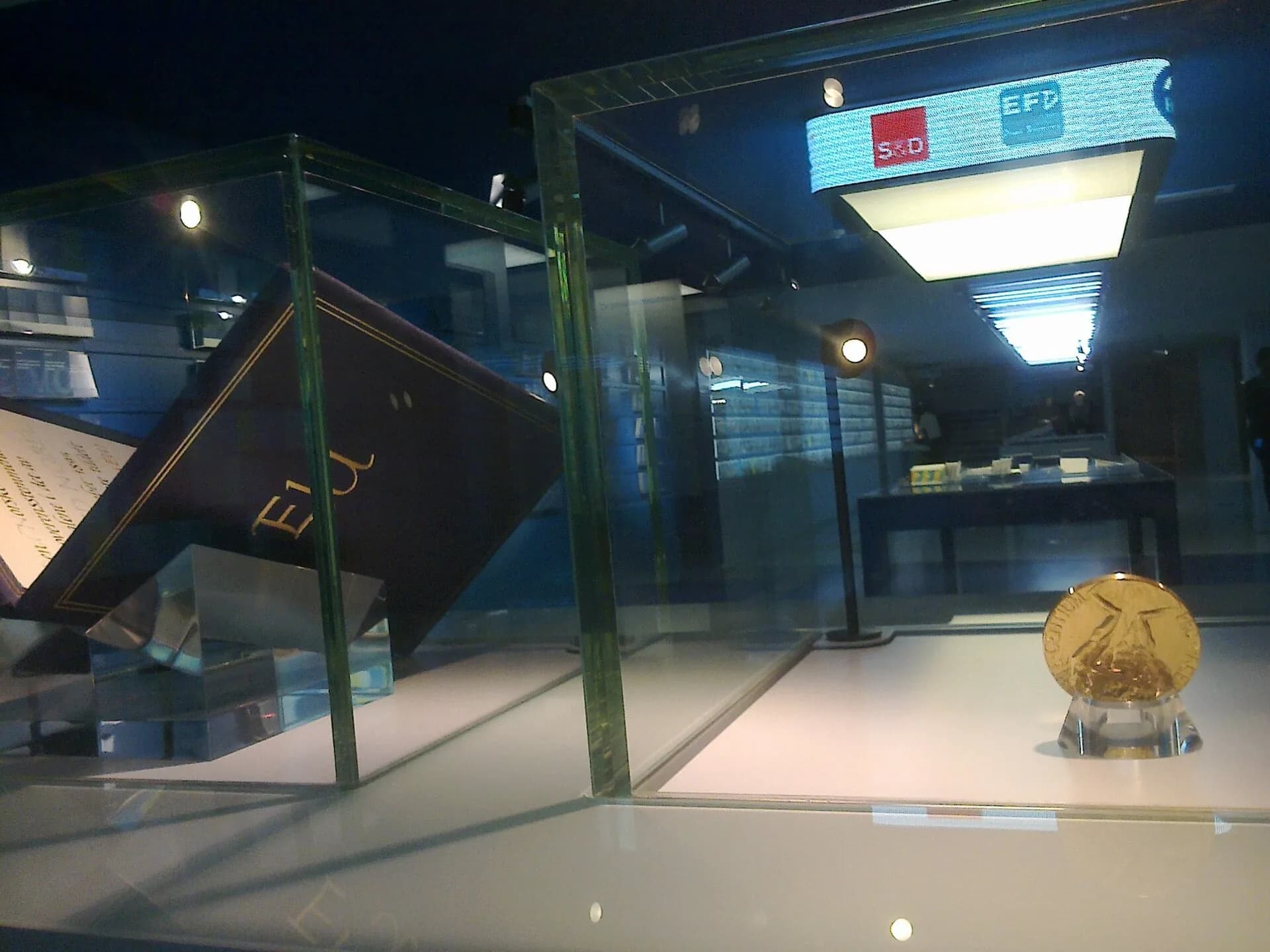
- Prize: a diploma, a gold medal and about $1.2 million, shared between them.
The problem they tackled
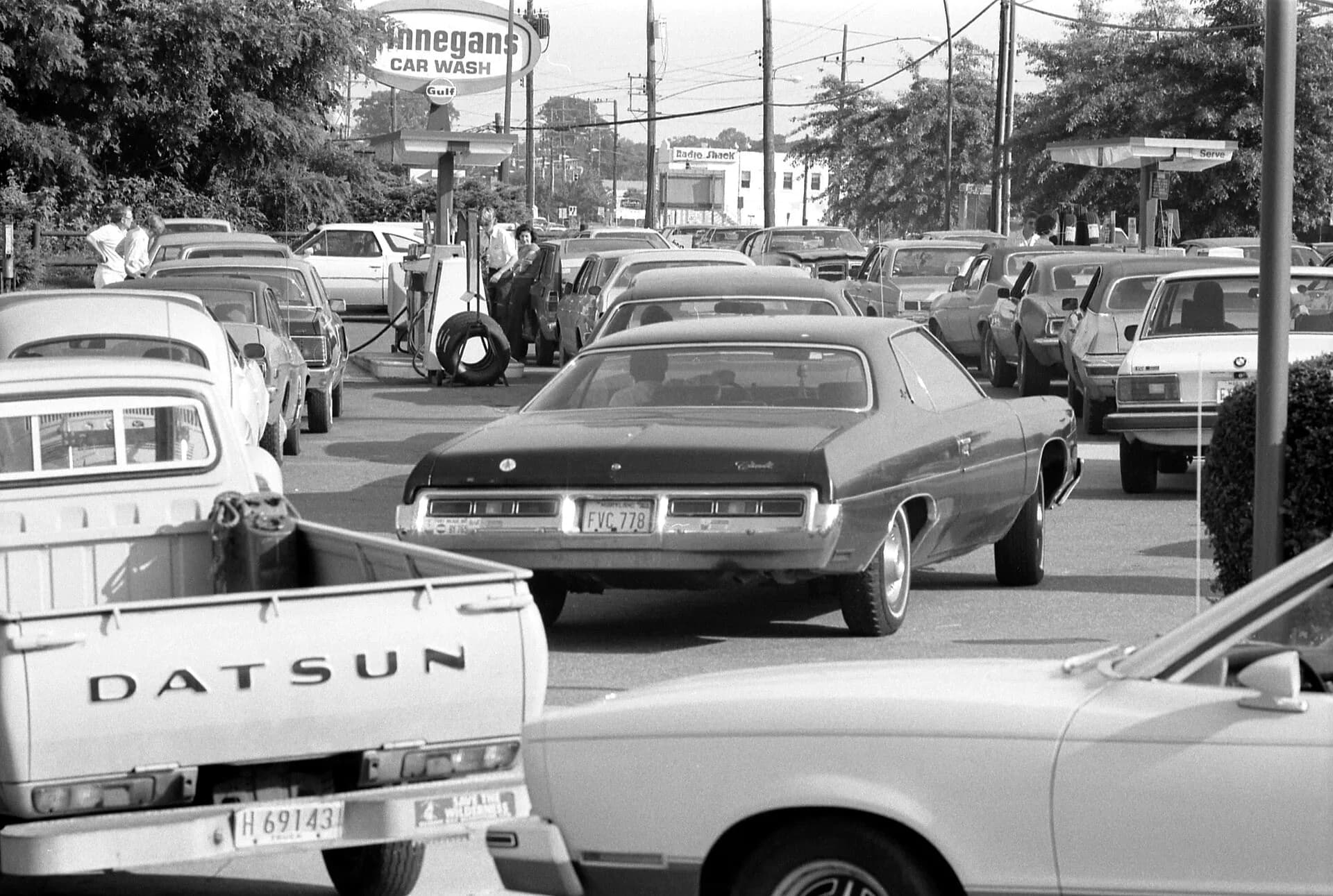
In the 1970s, the world was hit by oil price shocks. Prices shot up while economies slowed, a mix called stagflation. The economic models governments relied on at the time, based on simple statistical links between inflation, jobs and output, stopped working. Policies that were supposed to cure unemployment instead fuelled inflation.
According to the prize committee, Hall and Woodford helped build new tools to work out which policy responses actually work.
What they did, simply explained
1. Start from real people's choices. Instead of assuming fixed relationships between economic numbers, their models start from "microeconomic foundations": how families decide to spend or save, how firms set prices and hire workers. Add up all those decisions, and you get the behaviour of the whole economy.
2. Expectations matter. If people expect prices to rise, they ask for higher wages and firms raise prices, which can make inflation happen. Woodford's work, especially his influential 2003 book Interest and Prices, showed how a central bank can guide the economy by shaping what people expect about future interest rates and inflation, not just by changing today's rate. This is the idea behind "forward guidance", when a central bank tells the public what it is likely to do next.
3. Understanding recessions. Hall has spent decades studying why recessions happen, why unemployment stays high after downturns, and how investment and taxes affect the economy. His early work with economist Dale Jorgenson on how taxes affect business investment is still widely cited.
Committee chair John Hassler said their work gives "a stable theoretical foundation" for models "now used by central banks and governments around the world", helping them "deal with shocks in the economy, such as energy crises".
Why this matters for India
When the Reserve Bank of India's Monetary Policy Committee decides whether to raise or cut the repo rate, it relies on forecasting models of the economy. Modern central-bank models, used by the RBI and others, are built on the kind of foundations Hall and Woodford helped develop.
That has real effects on your life:
- Loan EMIs: home, car and personal loan rates move with the repo rate. In October, the RBI raised the repo rate to 5.5%, its first hike since 2023; read our report on the RBI's decision.
- Fixed deposits: higher policy rates usually mean better FD rates; see our FD rates guide.
- RBI communication: when the governor explains what the RBI expects to do next, that is forward guidance in action, an idea Woodford helped put at the centre of policy.
A timely prize
The award comes as the world deals with new shocks. Oil prices have climbed above $100 a barrel this year, raising the old 1970s question of how central banks should respond when prices rise and growth slows. Read our explainer on what high crude prices mean for petrol and diesel.
About the prize
The economics prize, formally the Sveriges Riksbank Prize in Economic Sciences in Memory of Alfred Nobel, was not part of Alfred Nobel's original will. It was set up by Sweden's central bank and first awarded in 1969. Last year's winners were Joel Mokyr, Philippe Aghion and Peter Howitt, for their work on innovation and "creative destruction".
The 2026 Nobel season at a glance
With the economics prize, all six 2026 Nobel Prizes have been announced. Read our full list of the 2026 winners, our explainer on the science prizes, and our profiles of Peace laureate Navi Pillay and Literature laureate Anne Carson.
Related reading
- RBI Raises Repo Rate to 5.5% in First Hike Since 2023, Says Cuts Are 'Off the Table'
- Will FD Rates Rise After the RBI's Repo Hike? What SBI Says, What Has Changed, and How to Plan Your Deposits
- Light Switches for the Brain, Ghost Particles and Mirror-Image Molecules: The 2026 Science Nobels, Explained
Sources
This article draws on the following reporting. Dates are when each source was originally published.
Written by
Stories, explainers and features published by The Daily, based on public sources that are listed with every article.
More from The Daily →Enjoyed this story?
Get the best of The Daily in your inbox every Sunday.