How AI Is Changing Scientific Discovery, From Protein Structures to New Materials
A Nobel Prize in Chemistry went to AI-based protein prediction in 2024. Researchers have also used AI to predict millions of candidate crystals. The lab still has the last word.
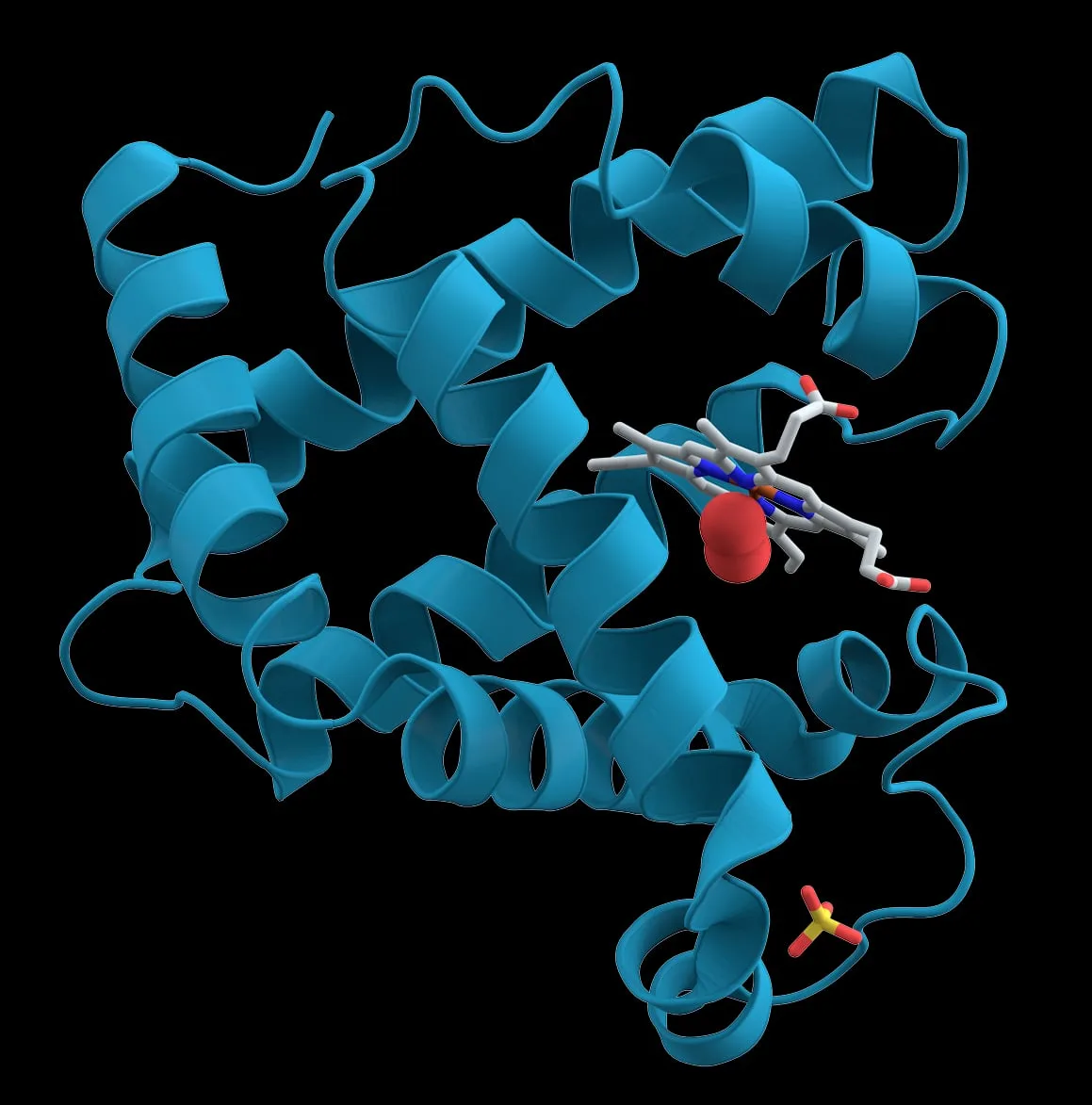
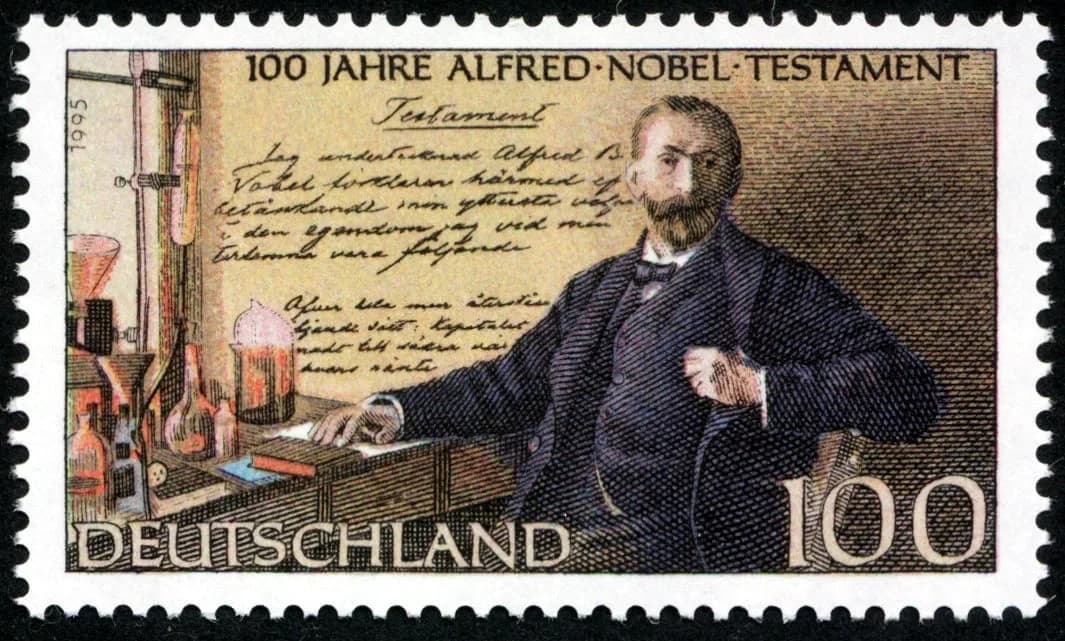
For decades, working out the three-dimensional shape of a single protein could take a researcher years of painstaking laboratory work. Proteins are the molecular machines of life, and their shape determines what they do. In 2020, a system called AlphaFold2, developed by Google DeepMind, began predicting those shapes from the sequence of amino acids with accuracy that astonished biologists. In 2024 its creators shared the Nobel Prize in Chemistry, along with a researcher who designs new proteins.
What the Nobel recognised
The 2024 Chemistry prize was split. One half went to David Baker of the University of Washington for computational protein design: building proteins that do not exist in nature, with new shapes and functions. The other half went to Demis Hassabis and John Jumper of Google DeepMind for protein structure prediction. AlphaFold's predictions have been made available for nearly all of the roughly 200 million proteins known to science, which researchers around the world now use as a starting point.

Searching for materials
Materials science follows a similar pattern. The number of possible combinations of elements is astronomically large, and testing each one in a laboratory is impossible. In November 2023, DeepMind reported in Nature that a system called GNoME had predicted about 2.2 million new crystal structures, of which about 380,000 were judged to be stable, the kind that could exist in practice. That roughly increased the number of known stable materials by an order of magnitude, according to the company.
Predictions are not discoveries. Only a fraction of these candidates have been made and tested in the laboratory, and some independent scientists questioned how many are genuinely new or useful. Turning a promising prediction into a working battery material or solar cell can take years.
What AI does well in science
- Finding patterns in huge datasets: from telescope surveys to genome sequences.
- Narrowing the search: ranking millions of candidate molecules or materials so that scientists test the most promising first.
- Speeding up simulations: learning shortcuts for calculations that would otherwise take enormous computing time.
- Reading the literature: summarising thousands of papers, though checking is essential.
What it cannot do alone
- Replace experiments. Nature has the final say. A model trained on existing data can't be sure about something truly new.
- Understand why. A prediction doesn't explain mechanisms the way a theory does.
- Avoid errors and bias. If training data are incomplete or biased, so are results.
- Choose good questions. Deciding what is worth investigating remains a human job.
Why it matters in India
Indian laboratories and start-ups are using such tools in drug discovery, agriculture and materials. Open protein-structure databases, which anyone can use for free, lower the cost of entry for universities without large budgets.
It is also a reminder that AI's most valuable uses may be quiet ones, in laboratories, rather than the chatbots that dominate headlines. We see the same principle in healthcare: AI as a second pair of eyes. And in the future, quantum computers may add further simulation power. (Read Can quantum technology transform medicine, batteries and materials?)
What this means for you
When you read "AI discovers new drug" or "AI finds millions of materials", ask: has it been tested in a lab or clinic? Genuine progress combines fast prediction with careful experimental confirmation, and that combination is what earned a Nobel Prize.
Sources
This article draws on the following reporting. Dates are when each source was originally published.
- Utrecht University: Nobel Prize in Chemistry 2024 for AlphaFold2 and protein design
- AlphaGalileo: The Nobel Prize in Chemistry awarded to David Baker, Demis Hassabis and John M Jumper
- Google DeepMind: Millions of new materials discovered with deep learning ·
- The Daily: Light Switches for the Brain, Ghost Particles and Mirror-Image Molecules: The 2026 Science Nobels, Explained

Written by
Newsroom
Reporting, explainers and analysis from The Daily’s editorial desk, based on verified public sources that are listed with every story.
More from The Daily Desk →Enjoyed this story?
Get the best of The Daily in your inbox every Sunday.