Can Quantum Technology Transform Medicine, Batteries and Materials Science?
Nature is quantum, so simulating molecules is where quantum computers may help most. But today's machines are far too small, and many promised breakthroughs remain research goals.

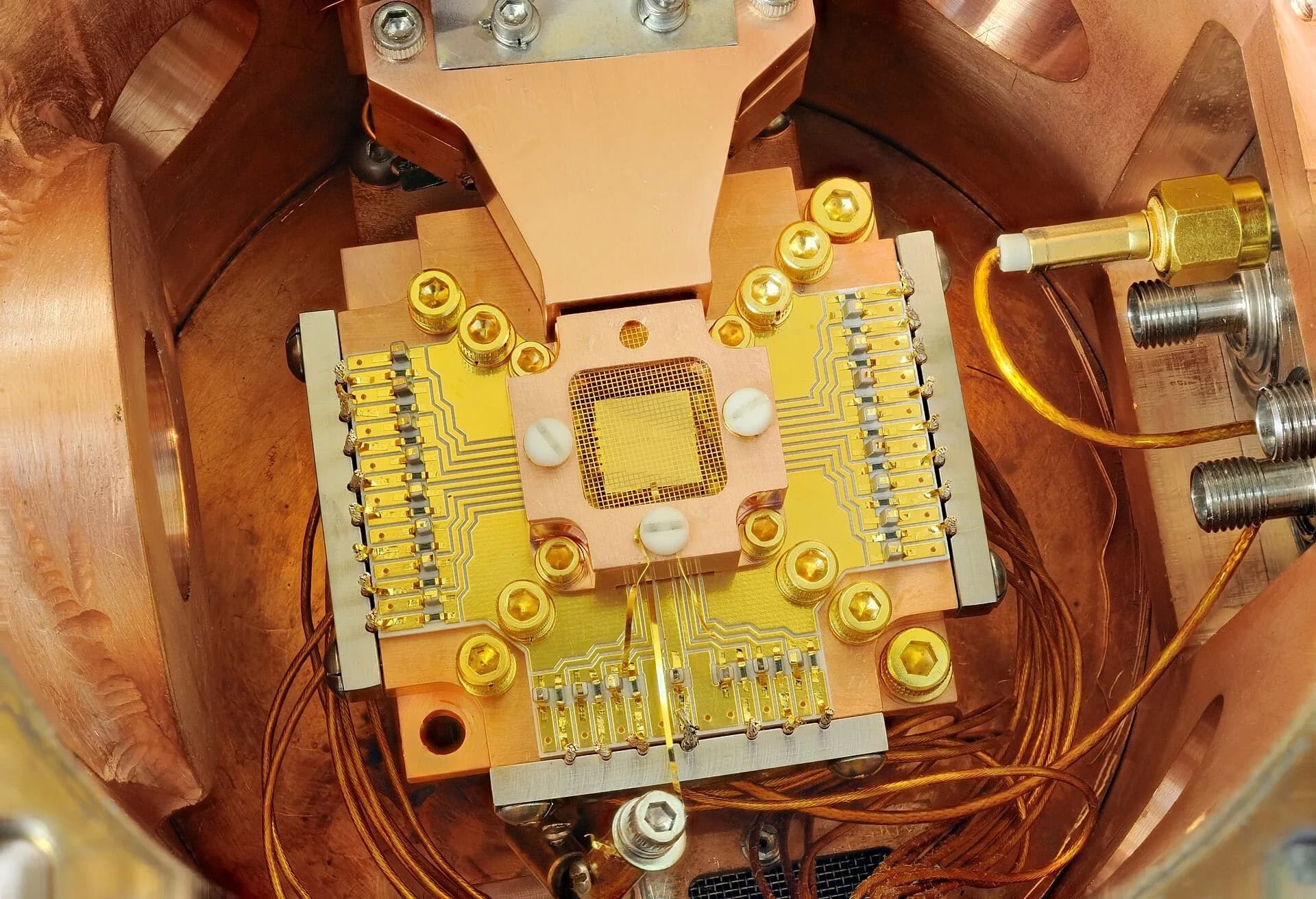
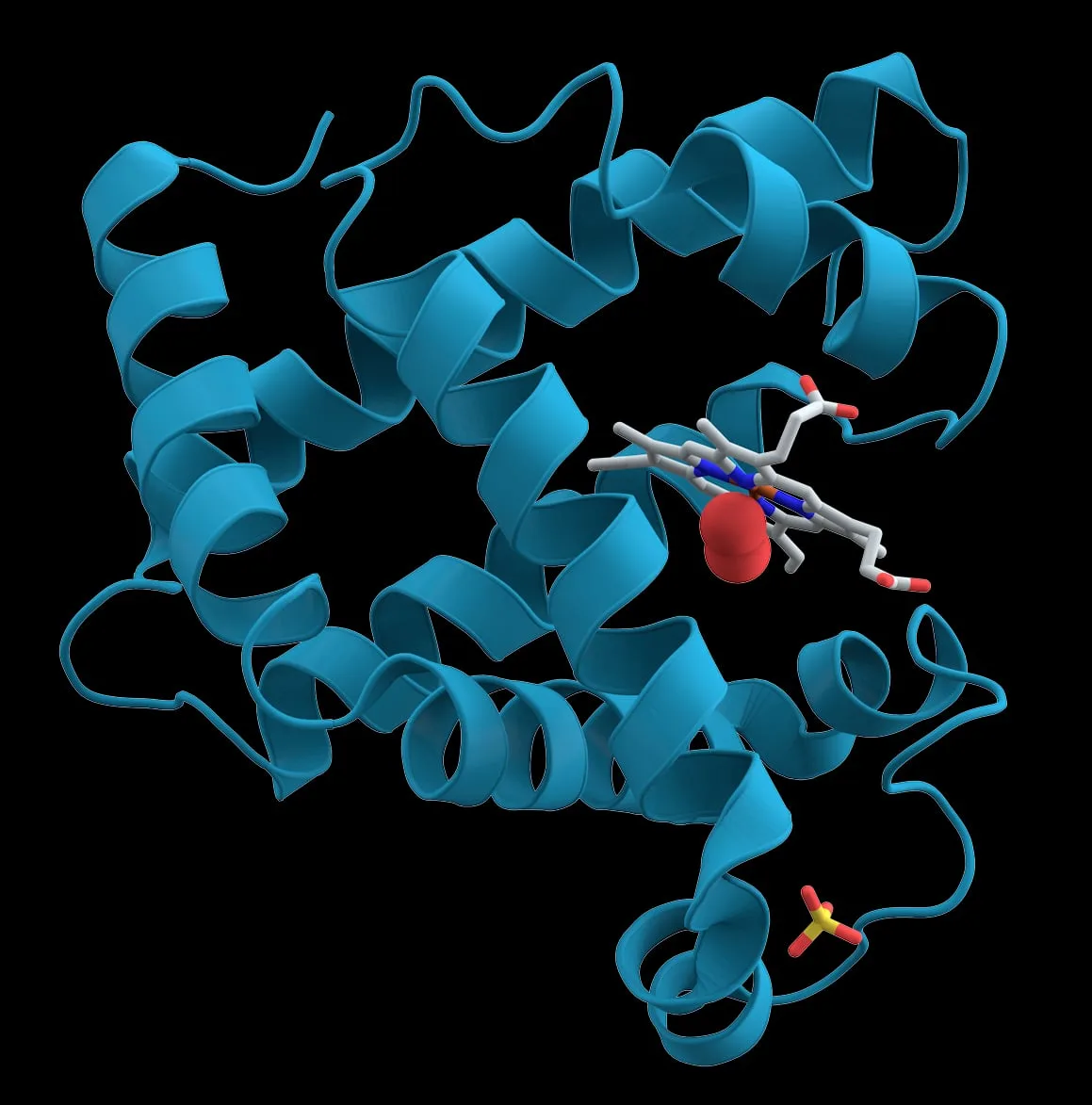
When chemists try to predict how a new drug will bind to a protein, or how a new battery material will behave, they run into a wall. The behaviour of electrons inside molecules is governed by quantum physics, and simulating it exactly is so demanding that the number of calculations grows explosively as molecules get larger. Even the world's biggest supercomputers must rely on approximations.
In 1981 the physicist Richard Feynman suggested a neat idea: use a quantum system to simulate a quantum system. That idea is the main reason many scientists expect chemistry and materials science to be among the first areas where quantum computers prove useful.
What has actually been shown
Be wary of headlines. So far:
- Researchers have used early quantum hardware to simulate very small molecules, such as hydrogen and lithium hydride, and tiny model systems. These are problems that ordinary computers already solve easily, so they are demonstrations of technique, not discoveries.
- Experiments have shown that quantum devices can model simple materials and magnetic systems that are hard to calculate classically, a form of "quantum simulation".
- No drug, battery or material has yet been discovered by a quantum computer that could not have been found by other means.
What remains a research goal
Real-world value would need fault-tolerant quantum computers with many reliable qubits, far more than any machine today. If they arrive, possible uses include:
- Medicine: more accurate simulations of how drug candidates interact with their targets, especially complicated cases involving metals or reactions.
- Batteries: understanding what happens at electrodes and in electrolytes to design materials that charge faster, last longer or avoid scarce metals.
- Fertiliser and chemistry: designing catalysts for energy-efficient ammonia production, a major source of emissions today.
- Materials: superconductors, solar-cell materials and lighter, stronger alloys.
These are goals researchers are working towards, not promises with dates.
AI is already doing part of the job
Meanwhile, a different technology is delivering results now: artificial intelligence. In 2023, Google DeepMind reported that its GNoME system had predicted around 2.2 million new crystal structures, of which about 380,000 were judged stable and promising for future technologies. Predictions still need laboratory confirmation. We explore this in how AI is changing scientific discovery.
AI and quantum computing may end up complementing one another: AI to narrow the search, quantum simulation to check the hardest cases.
How to read a quantum breakthrough headline
- Which molecule or material? A result on a tiny molecule is a technique demonstration, not a discovery.
- Could an ordinary computer already do it? If so, the achievement is about the machine, not the chemistry.
- How many qubits, and how reliable? Useful chemistry needs far more reliable qubits than any machine today.
- Who confirmed it? Look for peer-reviewed papers and independent laboratory results, not only company announcements.
Why it matters in India
India has a large pharmaceutical industry and a growing electric-vehicle market that depends on imported battery technology. Better tools for discovering molecules and materials could matter for both. The country's National Quantum Mission includes work on quantum materials and devices.
The bottom line
Quantum technology is likely to help science before it helps consumers, quietly and in laboratories. The honest summary: the physics argument is strong, the demonstrations so far are tiny, and the big payoffs depend on machines that have not been built yet.
Sources
This article draws on the following reporting. Dates are when each source was originally published.
- Google DeepMind: Millions of new materials discovered with deep learning ·
- Google Quantum AI: Meet Willow, our state-of-the-art quantum chip ·
- Wikipedia: Quantum simulator

Written by
Newsroom
Reporting, explainers and analysis from The Daily’s editorial desk, based on verified public sources that are listed with every story.
More from The Daily Desk →Enjoyed this story?
Get the best of The Daily in your inbox every Sunday.