What Will Technology Look Like in 2035? Five Changes Worth Watching
AI assistants, robots, quantum research, smarter healthcare and cleaner energy: five areas where the next decade may look very different, and how to tell hype from evidence.

Predicting technology is notoriously hard. In 2005, few would have guessed that a phone would replace the camera, the map, the wallet and half the office by 2015. So treat this as a guide to what to watch, not a forecast to bank on. Each of the following has solid foundations today; each could also fall short.
1. AI assistants that act for you
Today: chatbots that answer questions, and early AI agents that can use apps. By 2035, possibly: reliable assistants that handle routine paperwork, booking and research, with you approving key steps.
What to watch: accuracy, security against manipulation, and whether people trust them with money. (See AI agents explained.) The World Economic Forum's employer survey expects major changes in work by 2030, with about 170 million new roles and 92 million displaced worldwide, but those are projections, not guarantees.
2. Robots in specific jobs, not everywhere
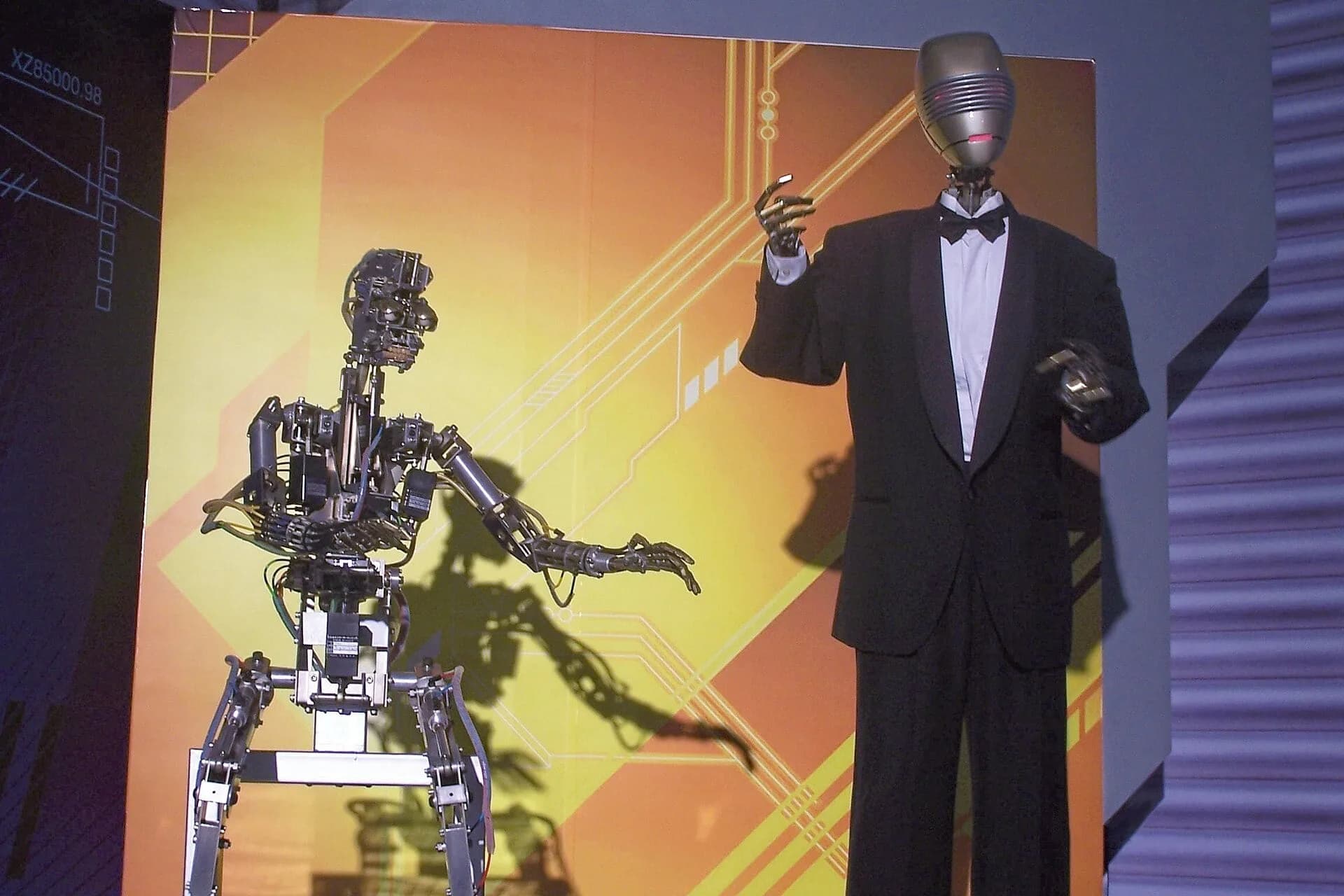
Today: humanoid robots in a handful of pilots in warehouses and factories. By 2035, possibly: a mix of humanoid and specialised robots doing repetitive physical tasks in logistics, manufacturing and farming.
What to watch: reliability, safety, and cost compared with human labour. Home robots that cook and clean look further away. (See Humanoid robots: what can they do today?)
3. Useful quantum machines, and quantum-safe security
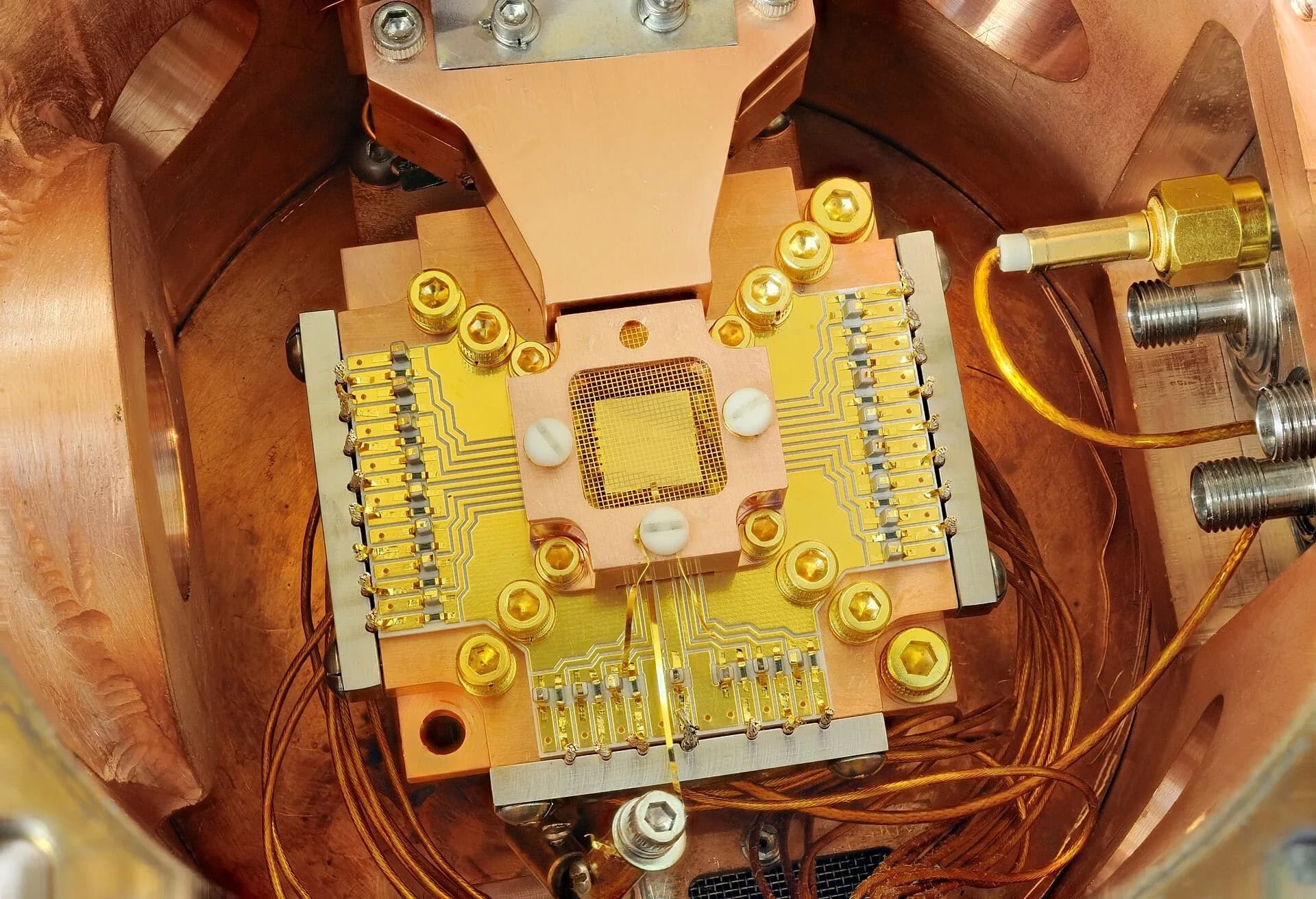
Today: quantum computers with around a hundred error-prone qubits, and new standards for post-quantum encryption. By 2035, possibly: early fault-tolerant machines helping chemists and materials scientists, while most of the internet has switched to quantum-resistant encryption.
What to watch: progress in error correction, and national programmes such as India's National Quantum Mission, which aims for machines of 50 to 1,000 qubits by 2030-31. (See India's National Quantum Mission)
4. AI-assisted medicine
Today: AI that reads scans and flags disease, and tools that speed up drug research. By 2035, possibly: earlier detection of disease, more personalised treatment and faster development of drugs, with doctors using AI as routine support.
What to watch: clinical trials proving that patients actually do better, protection of health data, and equal access beyond big cities. (See AI in healthcare)
5. Cleaner, cheaper energy, and a bigger power appetite
Today: solar and wind growing rapidly, new battery chemistries such as sodium-ion in production, and data centres consuming about 1.5% of the world's electricity. By 2035, possibly: cheaper storage and much more clean power, but also much greater demand from AI. The IEA's central scenario has data-centre electricity use reaching around 1,200 TWh by 2035, up from about 415 TWh in 2024, with large uncertainty.
What to watch: whether clean power keeps pace with demand. (See Can AI help fight climate change? and the next generation of batteries)

How to read future predictions
- Ask who is making it and what they gain.
- Look for a working prototype and a customer, not just a demo.
- Check what has slipped. Many headline technologies, from solid-state batteries to self-driving cars, have missed earlier dates.
- Distinguish a trend from a timetable. Direction is often right, while dates are often wrong.
What this means for you
You don't need to predict the future to prepare for it. Learn to work with new tools, keep your skills fresh, guard your data, and stay curious but sceptical. The technologies that matter most in 2035 will probably be a mixture of those we are watching now and some nobody has yet imagined.
Sources
This article draws on the following reporting. Dates are when each source was originally published.
- Battery Tech Online: How CATL Moved Sodium-Ion Batteries From Lab Chemistry to GWh-Scale Reality
- World Economic Forum: Future of Jobs Report 2025: 78 Million New Job Opportunities by 2030 but Urgent Upskilling Needed to Prepare Workforces ·
- International Energy Agency: Energy and AI: Executive summary
- Department of Science and Technology: Cabinet approves National Quantum Mission to scale-up scientific & industrial R&D for quantum technologies

Written by
Newsroom
Reporting, explainers and analysis from The Daily’s editorial desk, based on verified public sources that are listed with every story.
More from The Daily Desk →Enjoyed this story?
Get the best of The Daily in your inbox every Sunday.