Humanoid Robots Are Getting Better: What Can They Actually Do Today?
Demonstration videos show robots running and dancing. Real deployments are narrower: moving boxes in warehouses and loading parts in car plants.
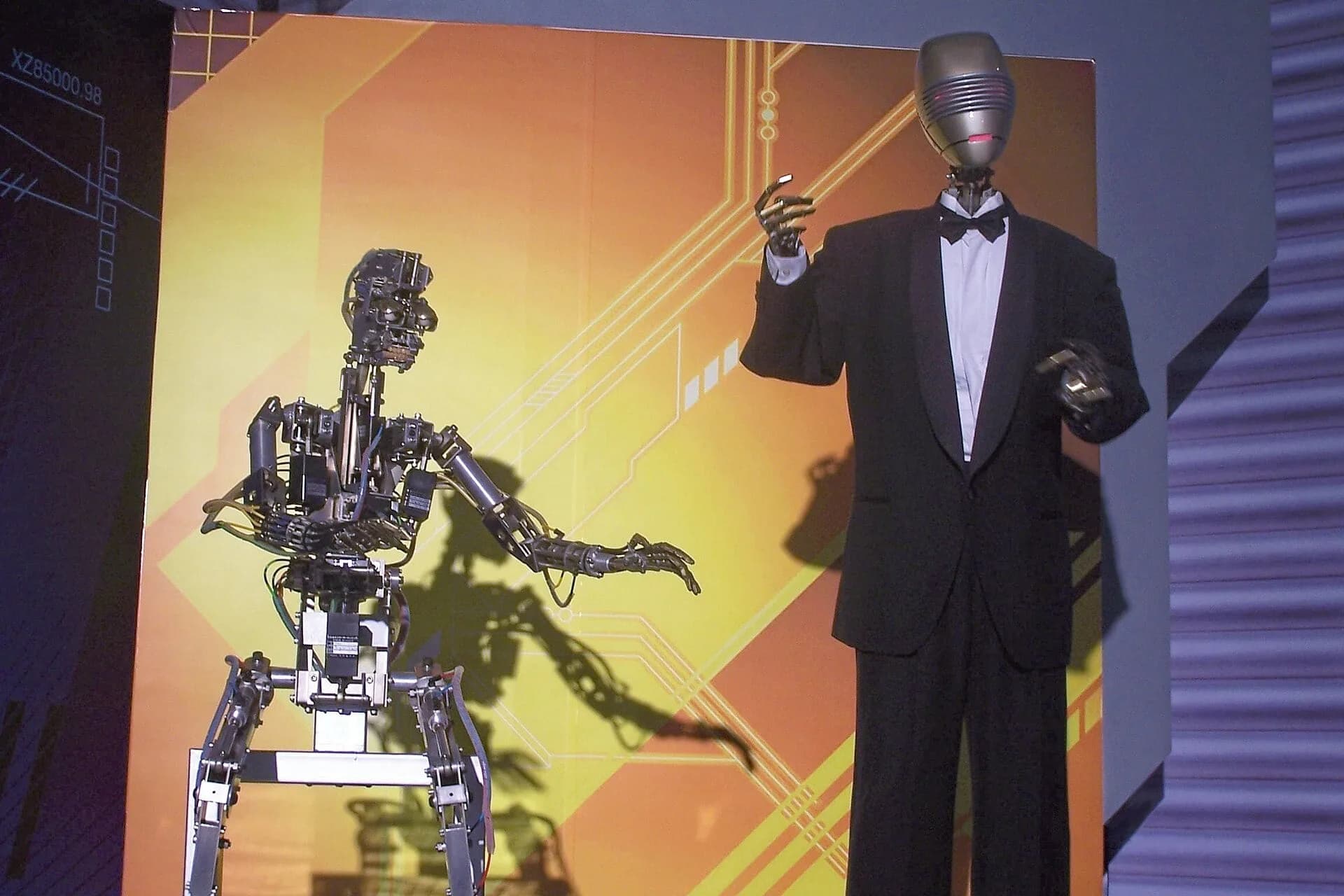
In videos, humanoid robots run, jump, dance and even do backflips. The footage suggests an imminent future of robot housekeepers and factory hands. The reality today is more modest, and more interesting: a handful of humanoid robots are doing real, paid work, but only in very narrow tasks in controlled settings.
Why build them human-shaped?
Our world is designed for humans: stairs, doorways, shelves, tools and vehicles all assume two arms, two legs and a certain height. A robot with a human-like body could in theory work in existing buildings without redesigning them. That is the argument. The counter-argument is that wheels are usually cheaper and more stable than legs, which is why most warehouse robots today look like low trolleys, not people.
Where they work today
Most real deployments are in logistics and manufacturing, according to company announcements and industry tracking:
- Warehouses: Agility Robotics' robot Digit has been moving plastic totes at a GXO logistics facility in the United States, working alongside human staff under a robots-as-a-service arrangement. The company reports it has moved well over 100,000 totes.
- Car plants: Figure AI's Figure 02 spent a period on BMW's production floor in Spartanburg, loading sheet-metal parts for assembly. Reports of the trial speak of around 1,250 hours of work and more than 90,000 parts moved, in ten-hour shifts, before the company moved on to a newer robot.
- Other pilots: Boston Dynamics has unveiled a product version of its Atlas robot with plans for deployments with Hyundai, and Chinese firms have run validation trials in electronics factories.
These figures come largely from the companies themselves and have not been independently audited. Trackers also disagree on how many deployments qualify: a strict count requiring a named customer and a completed production run finds very few.

Why it is still hard
- Narrow skills: a robot trained to carry totes can't automatically fold laundry or cook. Each task needs training, testing and safety checks.
- Speed and reliability: humans are still faster and more adaptable. A robot that works 95% of the time may be unusable in a production line.
- Safety: a heavy, powerful machine moving near people needs rigorous safety systems. Safety rules for walking robots are still developing.
- Battery life: many humanoids run for only a few hours before recharging.
- Cost: the price of the robot and its support must be lower than the cost of the human labour it replaces, and that is not yet true for most tasks.
How to read a robot demo
- Is it live or edited? Many videos are sped up or use remote control by a person.
- Is the task repeated in real conditions? A single success is not the same as thousands of cycles.
- Who is the customer, and how long has it been working?
- What happens when something goes wrong?
What this means for you
Humanoid robots will almost certainly arrive in factories and warehouses before homes. In India, where many manufacturers still rely on manual handling but labour costs are lower than in the US, the economic case is weaker for now, so low-cost automation will probably spread first. Read about how AI software agents are changing office work in AI agents explained.
The honest summary: real, useful, but early. The gap between a viral demo and a reliable colleague is where the work remains.
Sources
This article draws on the following reporting. Dates are when each source was originally published.
- Indian Defence Review: Robots Are Already Entering Factories, but How Close Are They to Working beside Us?
- WebProNews: Agility Robotics Puts Digit to Work in a Real Factory: Here's What That Actually Means
- There's A Robot For That: Humanoid Reality Index: Actually Deployed
- New Market Pitch: Humanoid Robotics: what is actually working now?

Written by
Newsroom
Reporting, explainers and analysis from The Daily’s editorial desk, based on verified public sources that are listed with every story.
More from The Daily Desk →Enjoyed this story?
Get the best of The Daily in your inbox every Sunday.