Will AI Take Our Jobs or Create New Careers? What the Evidence Actually Says
Employers surveyed by the World Economic Forum expect 170 million jobs to be created and 92 million displaced by 2030. Behind the headline numbers, the bigger story is how work itself changes.
Few questions about AI cause more anxiety than this one: will it take my job? Predictions range from mass unemployment to a productivity golden age. The honest answer is less dramatic and more useful: AI is changing what jobs involve faster than it is eliminating them, and the people most at risk are those who don't adapt their skills.
What employers expect
The most widely cited data come from the World Economic Forum's Future of Jobs Report 2025, based on a survey of more than 1,000 large employers covering over 14 million workers in 22 industries. Their expectations for 2030:
- 22% of jobs will be disrupted, created or destroyed.
- 170 million new roles will be created worldwide.
- 92 million roles will be displaced.
- That is a net gain of about 78 million jobs.
Two cautions. These are employer projections, not measurements, and they cover mainly formal jobs in large companies. In a country like India, where most people work informally, the picture will be uneven.
Which jobs grow, and which shrink
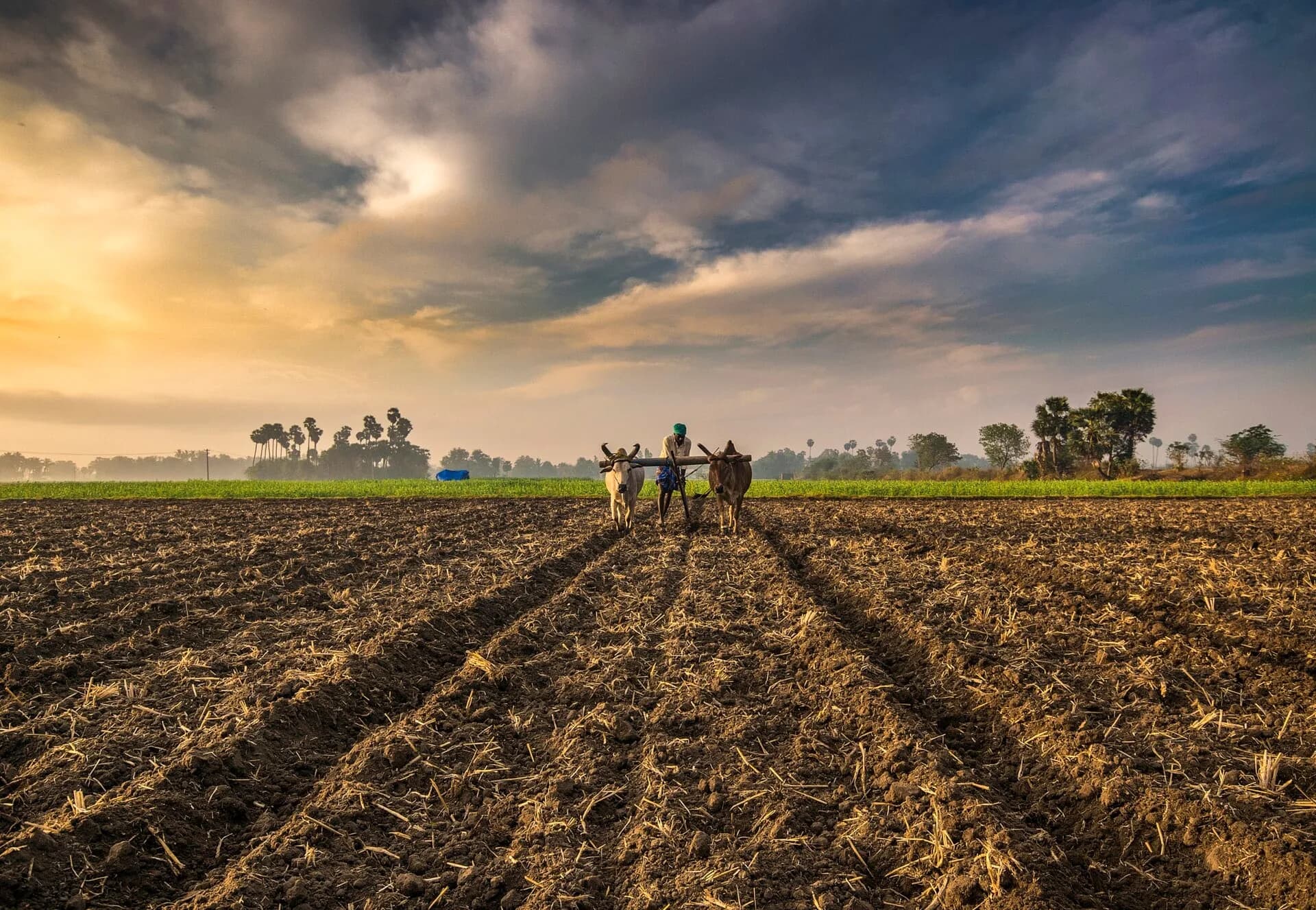
Technology roles are among the fastest-growing: AI and machine-learning specialists, data analysts, software developers and cybersecurity experts. But the largest numbers of new jobs are expected in frontline and care work: delivery drivers, farmworkers, nurses, care workers and teachers. These are jobs AI supports but cannot easily replace.
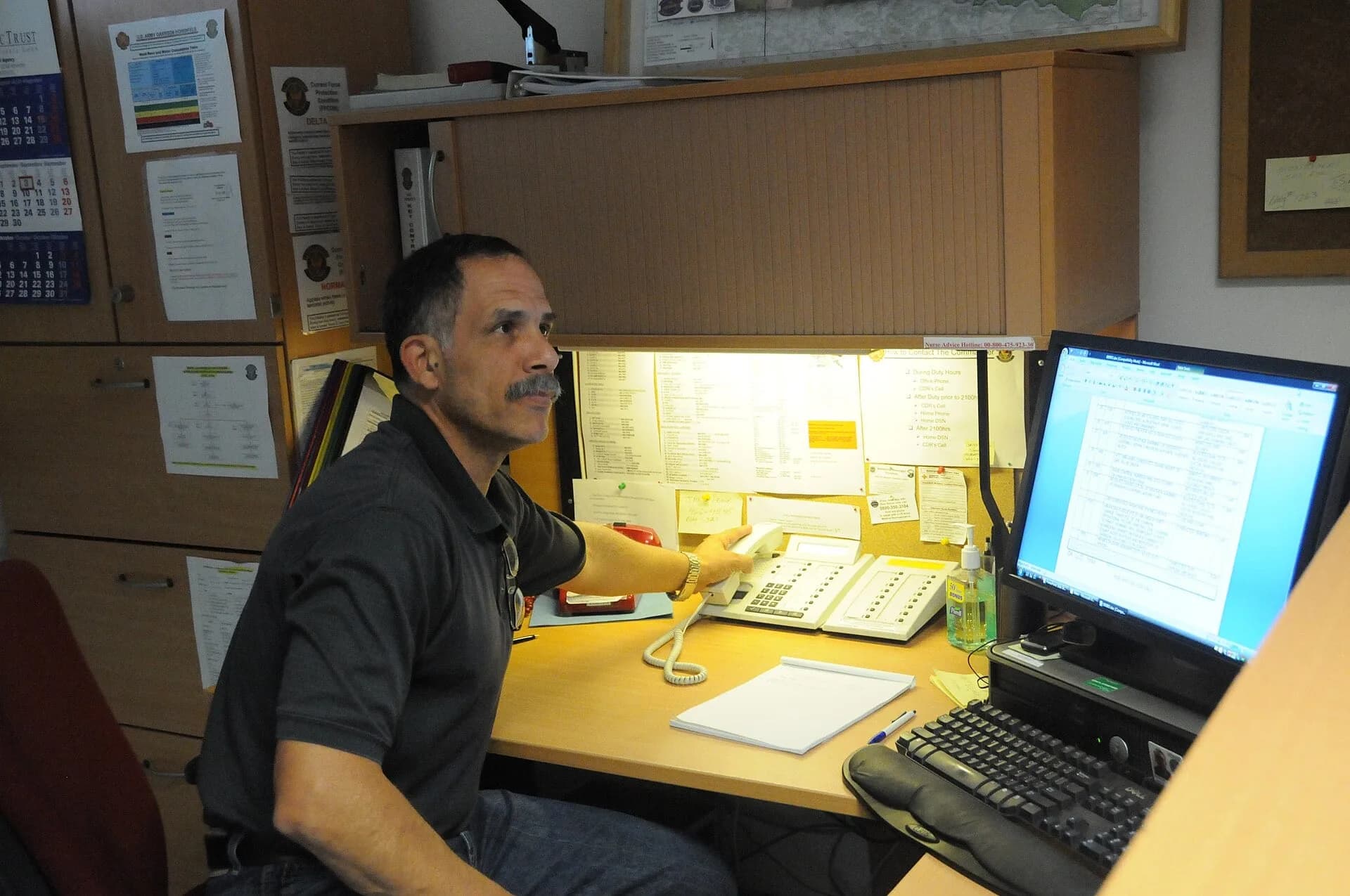
Roles most exposed to automation are those built around routine information processing: data entry, basic bookkeeping, some clerical and administrative work, and scripted customer support.
Tasks, not jobs
Most jobs are bundles of tasks. A bank officer verifies documents, answers queries, assesses risk, builds relationships and handles exceptions. AI may take over the first two largely, assist with the third, and barely touch the last two. The job survives but changes, and the officer who learns to work with the tools becomes more productive.
Employers in the WEF survey expect nearly 40% of the skills workers use today to change by 2030, and 63% say skills gaps are the biggest barrier to transformation.
What this means for India
India has advantages: a large, young workforce, a big IT services industry and growing public AI infrastructure through the IndiaAI Mission. It also has risks. Parts of the IT and business-process outsourcing industry rely on exactly the kind of routine digital work that AI tools automate, from testing code to first-level customer support.
The likely outcome is not a sudden collapse but steady pressure: fewer entry-level roles of the old kind, more demand for people who can design, check and manage AI-assisted work.
How to prepare
- Learn to use AI tools in your own field. A teacher, accountant or marketer who can use them well is more valuable than one who can't.
- Strengthen what AI is weak at: judgement, persuasion, physical skills, care and accountability.
- Build verification habits. Knowing when an AI output is wrong is a skill employers will pay for.
- Keep learning in short cycles. Short courses and on-the-job projects beat a single degree for keeping up.
The bottom line
AI is unlikely to make human work obsolete, but it will make some kinds of work obsolete. The best protection is to move towards tasks that combine technology with human strengths. To see how one class of AI tools is already reshaping office tasks, read AI agents explained.
Sources
This article draws on the following reporting. Dates are when each source was originally published.
- World Economic Forum: Future of Jobs Report 2025: 78 Million New Job Opportunities by 2030 but Urgent Upskilling Needed to Prepare Workforces ·
- World Economic Forum: Future of Jobs Report 2025: The jobs of the future – and the skills you need to get them
- UPSC/IAS coverage of the IndiaAI Mission (Drishti IAS): India AI Mission and Emerging AI Ecosystem

Written by
Newsroom
Reporting, explainers and analysis from The Daily’s editorial desk, based on verified public sources that are listed with every story.
More from The Daily Desk →Enjoyed this story?
Get the best of The Daily in your inbox every Sunday.