Quantum Computers vs Supercomputers: What Is the Real Difference?
A supercomputer is an enormous number of ordinary processors working together. A quantum computer is a different kind of machine, built for a small set of problems.

Both are called "powerful computers", and newspaper headlines sometimes pit one against the other. But comparing a supercomputer and a quantum computer is a bit like comparing a fleet of lorries with a research telescope. They do different jobs.
What a supercomputer is
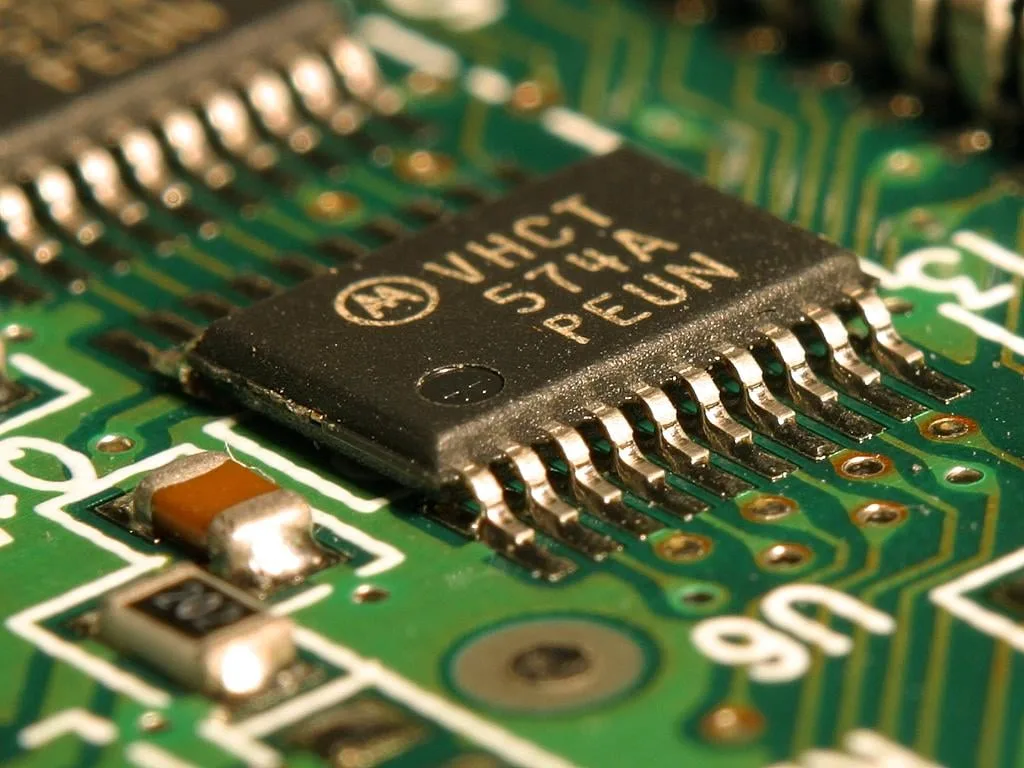
A supercomputer is built from thousands, or even hundreds of thousands, of conventional processors and graphics chips wired together in a purpose-built hall, cooled with large amounts of power and water. It still works with ordinary bits. Its strength is scale: it can split a huge calculation into many small pieces and work on them simultaneously.
Supercomputers are in daily use for:
- weather and climate forecasting, including monsoon models;
- simulating aircraft, vehicles and nuclear materials;
- drug and materials research;
- training large AI models.
What a quantum computer is
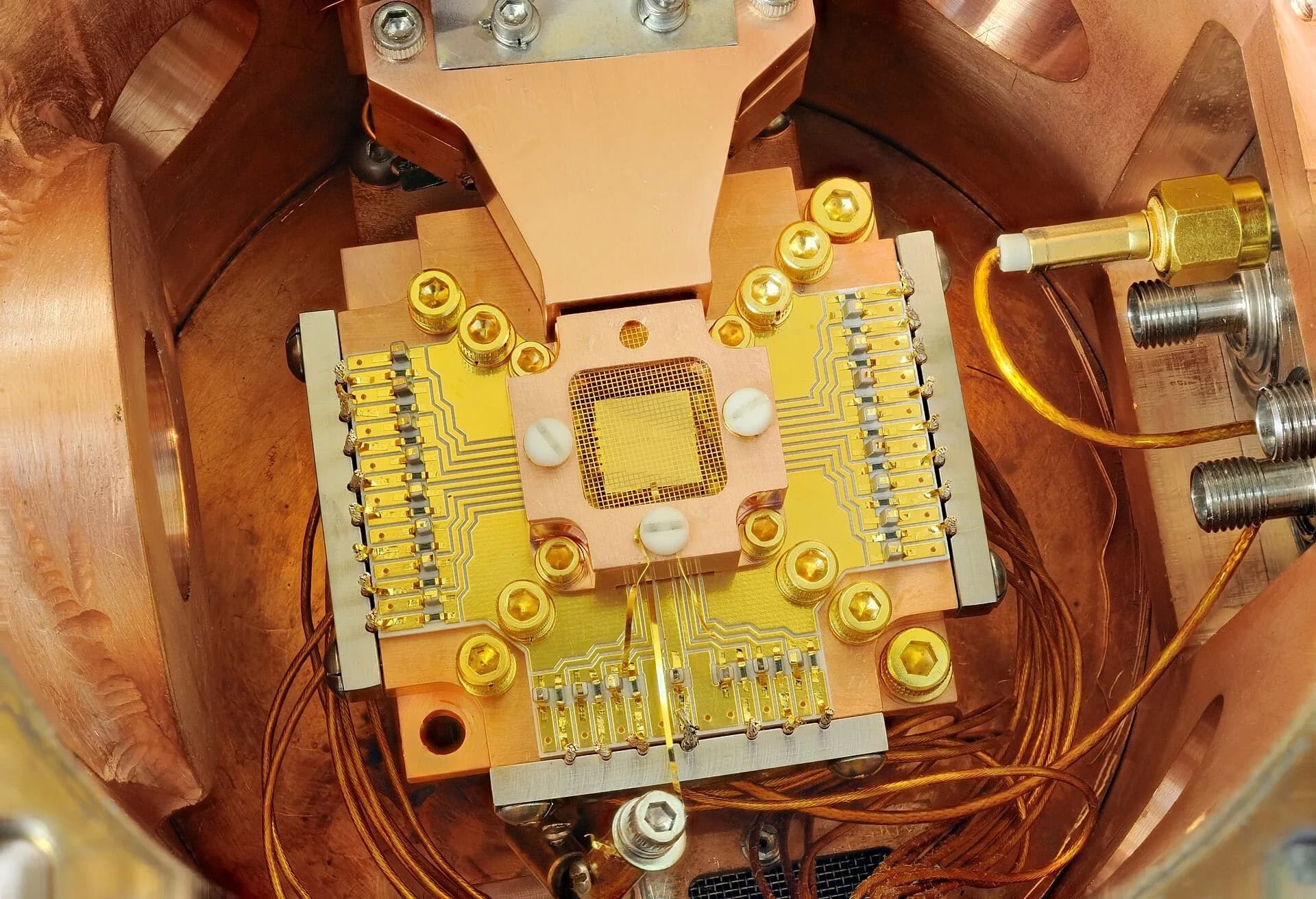
A quantum computer uses qubits, which can exist in blends of 0 and 1 and can be linked by entanglement. (We explain this in Quantum computing explained.) Today's machines are small, fragile and error-prone. They often need chips cooled to near absolute zero, and they have only dozens to a few hundred physical qubits.
A quantum computer is not a faster supercomputer. It runs a different style of calculation which is useful only for certain problems.
Where each wins
- Weather forecasting, AI training, general simulation: supercomputers, today and for the foreseeable future.
- Running software, databases and the internet: ordinary computers.
- Simulating the quantum behaviour of molecules and materials: possibly quantum computers, in the future.
- Certain problems in cryptography and optimisation: possibly quantum computers, in the future.
For the great majority of tasks, supercomputers will remain the better tool for a long time.
The "quantum advantage" debate
In December 2024, Google said its Willow chip completed a benchmark calculation, called random circuit sampling, in under five minutes that would take one of the world's fastest supercomputers about 10 septillion years, by Google's estimate. That is a striking number, but it needs context:
- The benchmark was designed to be hard for classical computers and has no practical use.
- Critics have questioned the assumptions behind the supercomputer comparison, and such claims have been challenged before when classical researchers found cleverer methods.
The honest takeaway: quantum machines have shown they can do something very hard in a way classical machines cannot easily match, but proving advantage on useful problems is still the main goal.
Three common myths
- "Quantum computers will replace ordinary ones." They won't. They are specialised tools, and ordinary computers will remain better for almost everything.
- "A quantum computer tries every answer at once." Not quite. Algorithms are designed so that wrong answers cancel out, and this works only for certain problems.
- "Quantum computers will break everything tomorrow." Today's machines are far too small and error-prone. Security researchers are preparing in advance.
They will work together
The likeliest future is a hybrid: a supercomputer handles most of a job and hands one hard sub-problem, such as simulating a particular molecule, to a quantum processor, then continues. That is already how researchers are experimenting.
What this means for you
Don't expect a quantum laptop. Do expect quantum technology to appear first in research labs and cloud services, helping with chemistry and materials, and in secure communications. For India's plans in this field, read India's National Quantum Mission.
Sources
This article draws on the following reporting. Dates are when each source was originally published.
- Google Quantum AI: Meet Willow, our state-of-the-art quantum chip ·
- Wikipedia: Supercomputer
- Wikipedia: Quantum supremacy

Written by
Newsroom
Reporting, explainers and analysis from The Daily’s editorial desk, based on verified public sources that are listed with every story.
More from The Daily Desk →Enjoyed this story?
Get the best of The Daily in your inbox every Sunday.