Can AI Help Fight Climate Change? The Promise and the Environmental Cost
Data centres used about 1.5% of the world's electricity in 2024, and the IEA expects that to more than double by 2030. At the same time, AI is helping forecast weather and manage power grids.
Artificial intelligence is being offered as a climate solution and criticised as a climate problem, often in the same week. Both claims contain truth. To judge them, it helps to look at the benefits and the costs side by side.
The cost: electricity, water and hardware
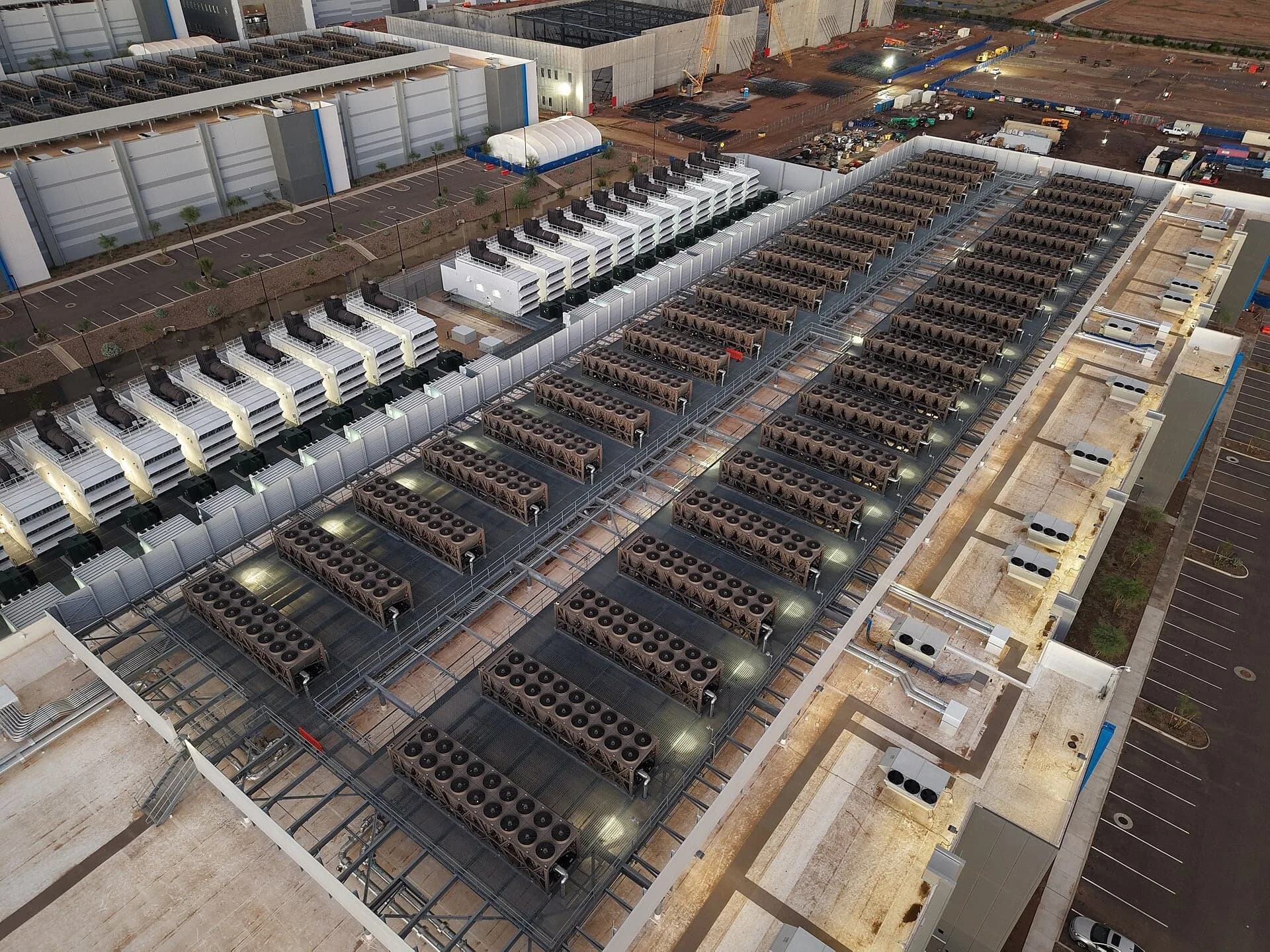
AI runs in data centres: warehouses of specialised computers that need power, and cooling. The International Energy Agency (IEA) estimated in its 2025 Energy and AI report that data centres used about 415 terawatt-hours (TWh) of electricity in 2024, about 1.5% of the world's total, and that their consumption had been growing around 12% a year since 2017, more than four times faster than overall electricity demand.
The IEA's central projection is that data-centre use will more than double to about 945 TWh by 2030, slightly more than Japan's whole electricity consumption today, with AI the most important driver. Demand from AI-focused data centres alone is projected to more than quadruple. The agency stresses large uncertainties, depending on how quickly AI is adopted and how efficient it becomes.
Other costs include water for cooling, the materials and energy needed to manufacture chips, and electronic waste when equipment is replaced. Whether the electricity comes from coal or from solar, wind and hydro changes the climate impact enormously.
The promise: where AI helps
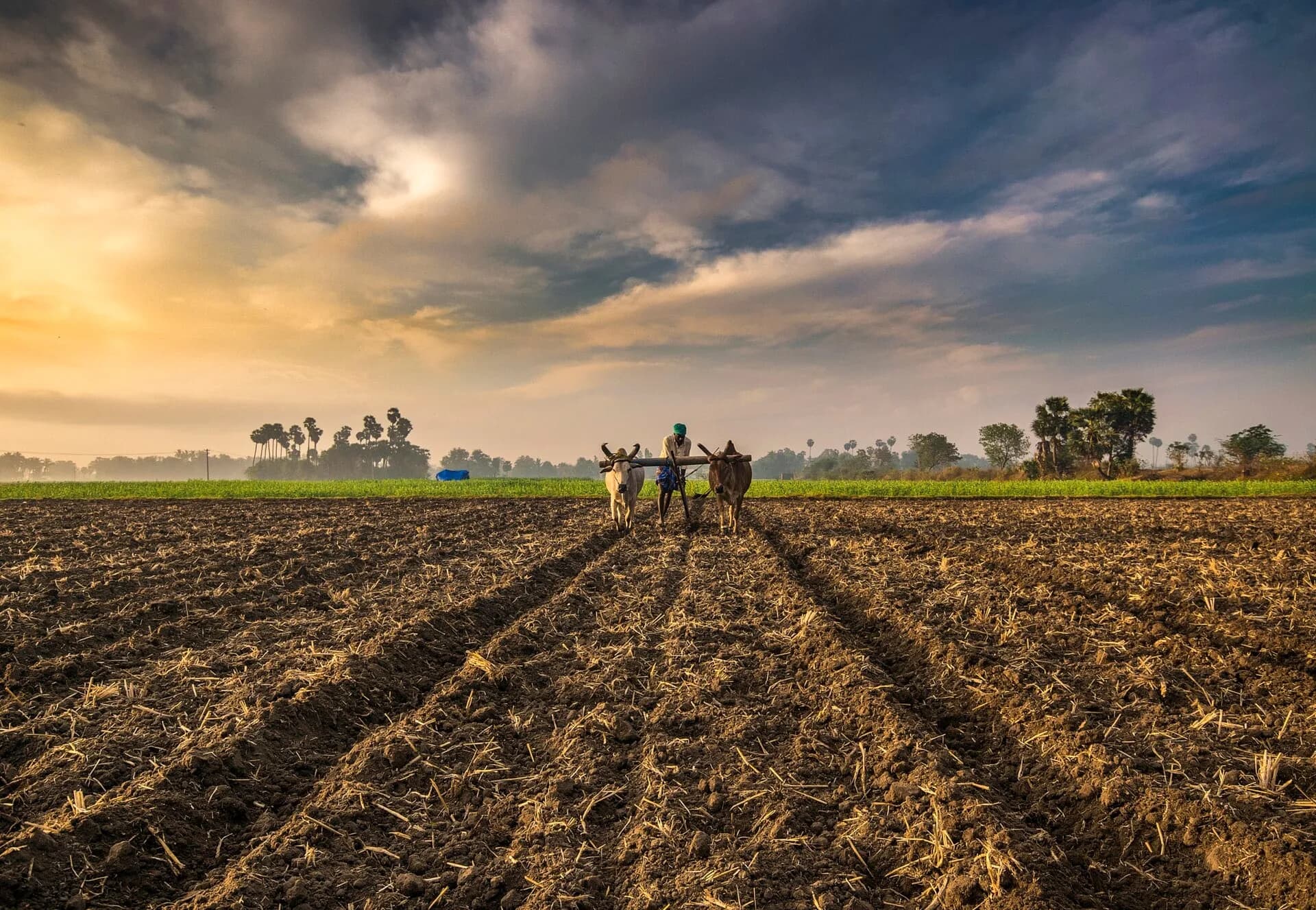
- Weather and climate forecasting: machine-learning models can produce forecasts faster and with less computing than traditional physics-based ones, helping with cyclone, flood and heatwave warnings. India has also run an AI-based pilot, reported for the 2025 kharif season, that sent local monsoon-onset forecasts to farmers by SMS.
- Power grids: AI can predict demand and renewable output, helping grid operators balance solar and wind and reduce wasted energy.
- Buildings and industry: optimising heating, cooling and machine settings can cut energy use.
- Agriculture: advisory tools can help farmers use water and fertiliser more precisely. (See how AI is changing everyday life in India)
- Monitoring: satellite imagery analysed by AI can track deforestation, methane leaks and glacier change.
- Materials research: AI is helping search for better battery and solar-cell materials. (See how AI is changing scientific discovery)

Is it a net gain?
Nobody knows yet. The benefits are real but often small compared with the size of the climate problem, and the costs are growing quickly. Savings from one efficient factory can be wiped out if cheaper computing leads to far more use, a pattern economists call a rebound effect.
A fairer test is to ask, for each use of AI: is the benefit worth the energy? Using a large model to write a casual caption is different from using one to improve flood warnings for millions of people.
What can be done
- Efficiency: smaller models, better chips and smarter cooling reduce energy per task.
- Clean power: locating data centres where renewable energy is available and buying clean electricity.
- Transparency: requiring companies to publish energy and water use.
- Choosing the right tool: using small, specialised models rather than the largest model for every job.
What this means for you
Individual chatbot queries are a tiny part of your carbon footprint; flights, transport, cooling and diet matter far more. The larger issue is collective: how fast the world builds power-hungry infrastructure, and whether it runs on clean energy. For the energy technologies that could help, read the next generation of batteries.
Sources
This article draws on the following reporting. Dates are when each source was originally published.
- International Energy Agency: Energy and AI: Executive summary
- S&P Global Commodity Insights: Global data center power demand to double by 2030 on AI surge: IEA
- Data Centre Magazine: AI, Energy and the Data Centre Surge: IEA's Global Warning
- Press Information Bureau: Digital agriculture backgrounder (February 2026)

Written by
Newsroom
Reporting, explainers and analysis from The Daily’s editorial desk, based on verified public sources that are listed with every story.
More from The Daily Desk →Enjoyed this story?
Get the best of The Daily in your inbox every Sunday.