Brain-Computer Interfaces: How Technology Is Connecting Brains and Machines
Paralysed patients are moving cursors with their thoughts. How the technology works, who is testing it, and the privacy questions nobody has solved.
In January 2024, Noland Arbaugh, a young American paralysed from the shoulders down after an accident, became the first person to receive a brain implant from Neuralink. Within days he was moving a cursor on a laptop and browsing the internet with his thoughts. Brain-computer interfaces (BCIs), once science fiction, are now in human clinical trials.
How they work
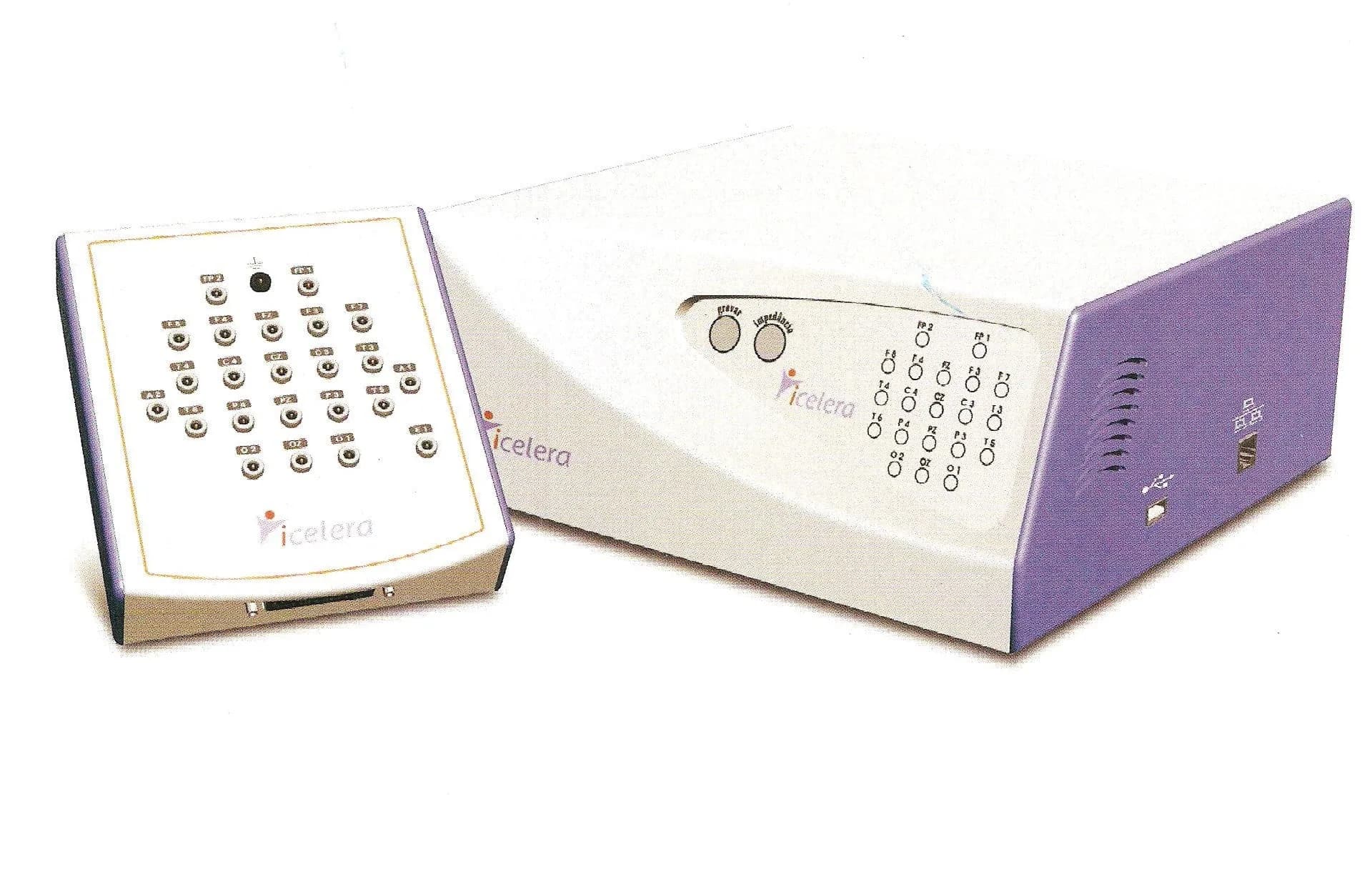
When you decide to move your hand, neurons in the motor cortex of your brain fire in specific patterns, even if an injury prevents the message reaching your muscles. A BCI has three parts:
- Sensors that pick up electrical activity from the brain.
- Software that learns to decode those patterns, for example "intending to move the cursor left".
- An output device, such as a computer cursor, a speech synthesiser or a robotic arm.
Patients usually practise: the software learns their brain's patterns, and the person learns to produce clearer ones.
Two main approaches
- Implants inside the brain. Neuralink's device uses ultra-thin threads with many electrodes placed in the motor cortex by a surgical robot, allowing very detailed signals. Neuralink says it has implanted dozens of participants (reports in 2026 range from about two dozen upwards), with trials in several countries. Its studies include one targeting control of computers and robotic arms by people with quadriplegia, and another aimed at decoding speech for people who cannot talk. The company has said it plans to scale up production, a statement not yet independently confirmed.
- Less invasive devices. Synchron's Stentrode is a small mesh tube of electrodes delivered through a blood vessel in the neck, parked in a vein next to the motor cortex, with no open brain surgery. In its early feasibility study of six patients with severe paralysis, all met the safety goal of no device-related serious adverse events in the first year, according to reports of the results. The device has received the US FDA's "breakthrough" designation.
What BCIs can do now
- Let people with paralysis control cursors and type.
- In research settings, move robotic arms.
- In studies, turn attempted speech into text for people who cannot speak.
Results come from small numbers of volunteers under close supervision, and the systems are not yet ready for general home use.
The challenges
- Medical risk: implants can cause infection, scarring and signal loss over time.
- Durability: will devices last for decades?
- Accuracy and speed: still far below natural movement or speech.
- Access and cost: advanced neurosurgical devices would be expensive.
Ethics and privacy
Brain data are the most intimate information imaginable. Questions include:
- Who owns the data from your brain, and who can access or sell it?
- Consent: how can people fully understand the risks of experimental implants?
- Safety against hacking of devices connected to the nervous system.
- Enhancement: if BCIs eventually help healthy people, will they create new inequalities?
Researchers and regulators in several countries have begun to discuss "neurorights", but rules are still being written.
What this means for you
BCIs will first matter to people with paralysis, ALS and severe speech loss, offering a route back to communication. Treat claims about reading minds or uploading memories as speculation, and watch for results published in peer-reviewed journals rather than promotional videos. For another way AI is helping medicine, read AI in healthcare.
Sources
This article draws on the following reporting. Dates are when each source was originally published.
- Fierce Biotech: Neuralink to kick-start 'high-volume production' of brain-computer interface devices, Elon Musk says
- ClinicalTrials.gov (tracked by FDAAA TrialsTracker): NCT07224256: An ongoing trial by Neuralink Corp
- Citeline Medtech Insight: Start-Up Spotlight: Synchron Hopes To Make Brain Interface A Reality Without Surgery
- MassDevice: Synchron completes patient enrollment in BCI trial

Written by
Newsroom
Reporting, explainers and analysis from The Daily’s editorial desk, based on verified public sources that are listed with every story.
More from The Daily Desk →Enjoyed this story?
Get the best of The Daily in your inbox every Sunday.