The Next Generation of Batteries: Solid-State and Sodium-Ion Explained
Solid-state cells promise longer range and faster charging but keep slipping in time. Sodium-ion batteries, cheaper and made from common materials, are already in production.
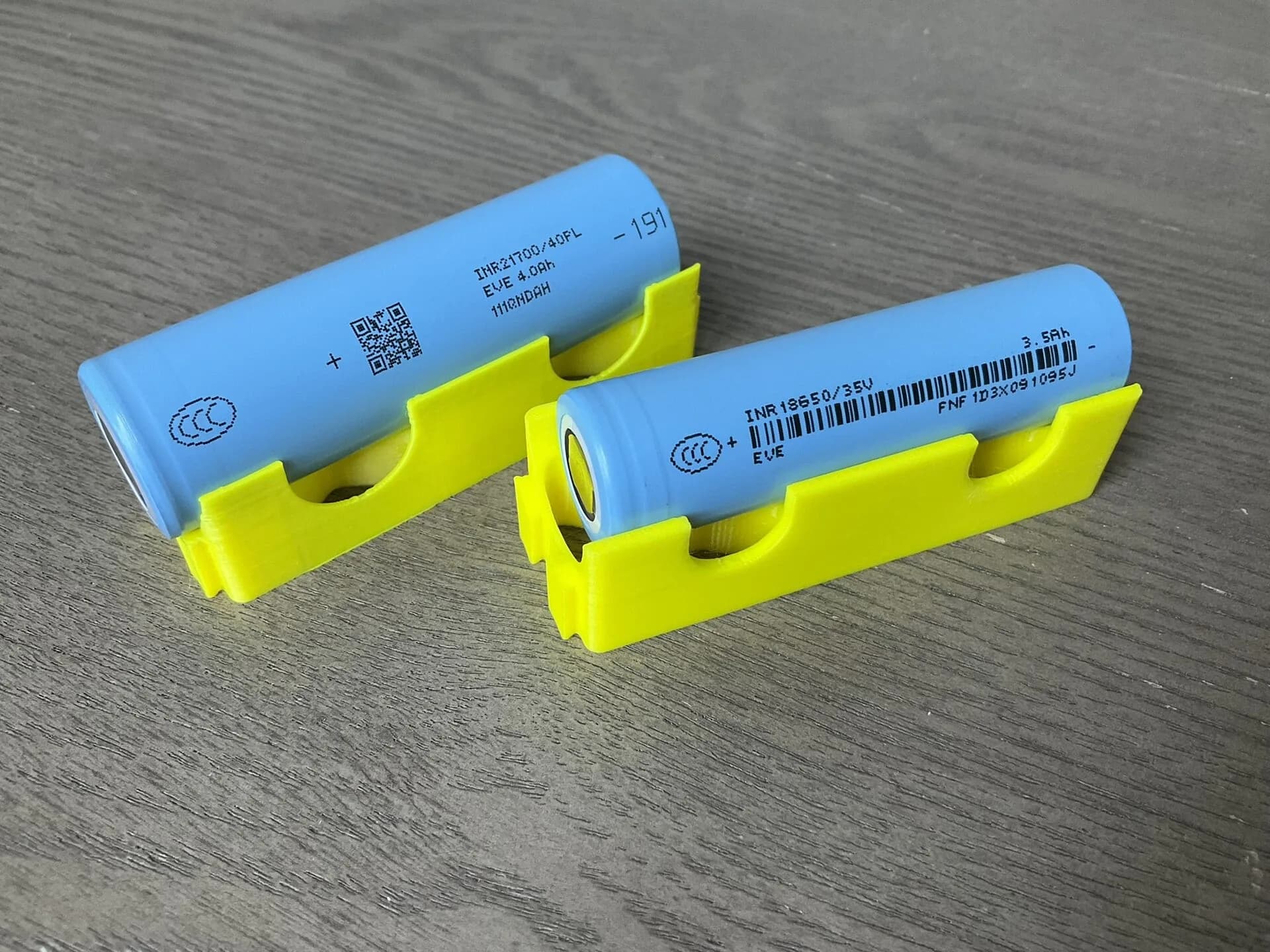
The battery is the most expensive part of an electric vehicle, and the thing buyers worry about most: How far will it go? How fast does it charge? Will it catch fire? Two new battery technologies are trying to answer those questions: solid-state and sodium-ion.
How today's batteries work
A lithium-ion battery moves lithium ions between two electrodes through a liquid electrolyte. That liquid is flammable and limits how compactly a battery can be built. Most electric cars and phones use this design, and it has improved steadily for three decades.
Solid-state batteries
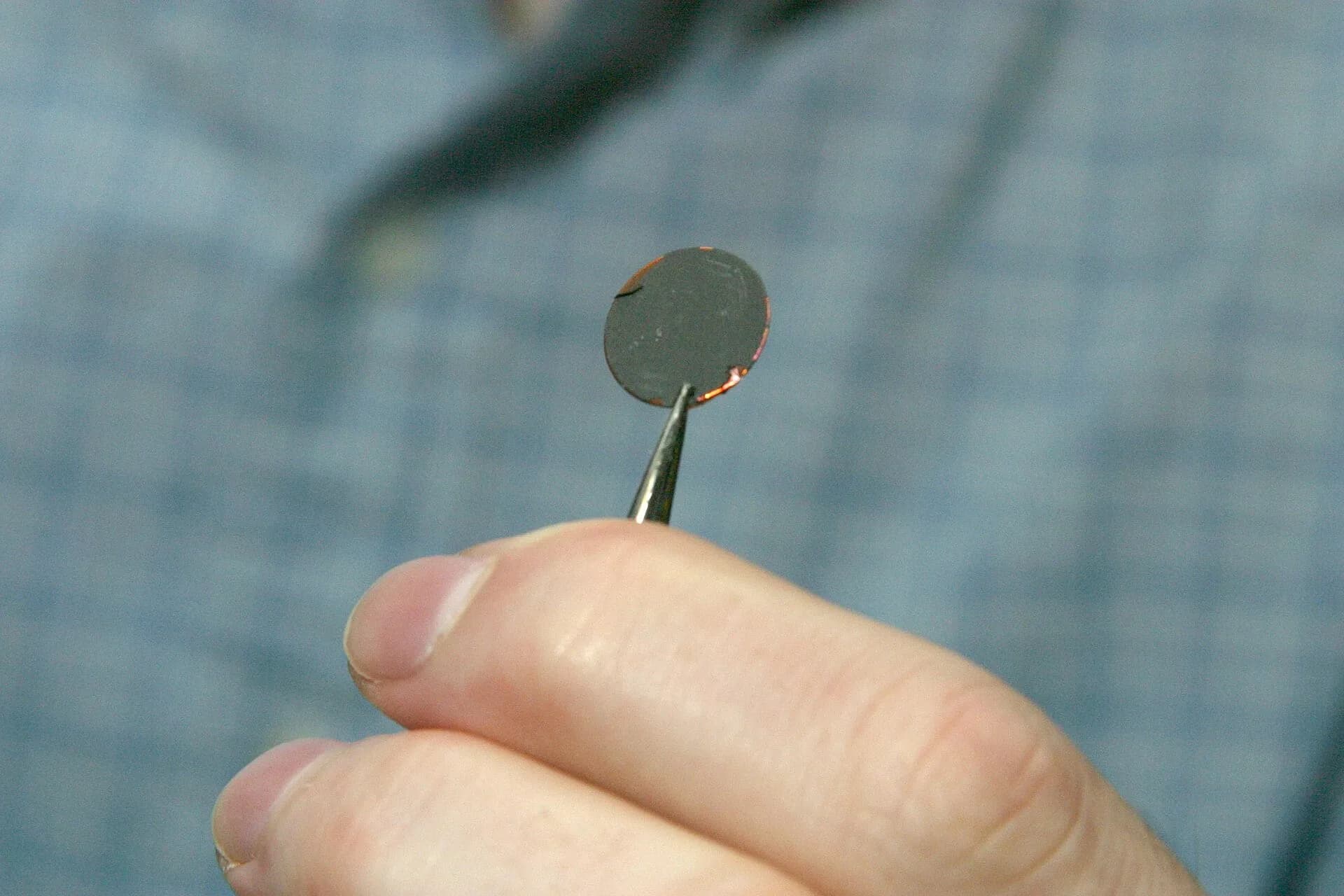
In a solid-state battery, the liquid electrolyte is replaced by a solid material. The promised benefits:
- Higher energy density, meaning more range from the same weight, or a lighter battery for the same range.
- Better safety, since there is no flammable liquid.
- Potentially faster charging.
The challenge is manufacturing. Solid materials can crack as the battery charges and discharges, and making thin, defect-free layers at scale and at low cost is hard.
Where it stands: no mass-produced all-solid-state car battery exists yet. Samsung SDI has said it is targeting 2027 for mass production, working with partners including BMW and Solid Power. Toyota has set 2027 to 2028 for its first vehicle with such a battery, though its target has moved before. One market analysis places mainstream adoption around 2030. Treat all these dates as targets, not guarantees.
Sodium-ion batteries
A sodium-ion battery works like lithium-ion, but uses sodium instead of lithium. Sodium, found in common salt, is abundant and cheap, and does not depend on the mining and refining chains that lithium, cobalt and nickel require.
Sodium-ion cells are generally less energy-dense, so for the same range, the battery is heavier. But they work well in cold weather, are cheaper, and can be built with less critical raw material.
Where it stands: unlike solid-state, this technology is already in production. China's CATL reports that its Naxtra sodium-ion cells reach up to 175 watt-hours per kilogram, close to the common lithium-iron-phosphate (LFP) batteries, and has moved to gigawatt-hour-scale production, including a large reported supply agreement for energy storage. The first passenger car using the batteries, the Changan Nevo A06, was expected to reach the market in 2026.
Why it matters in India
India imports most of its lithium-ion cells and relies on imported materials, so cheaper batteries made with abundant materials are strategically attractive. They could be especially useful for two-wheelers, three-wheelers and stationary storage, where range per kilogram is less critical than cost.
What this means for you
- Don't delay buying an EV waiting for solid-state. Today's batteries are already good, and solid-state cars will launch first at the premium end.
- Check battery chemistry and warranty when buying: LFP packs generally tolerate frequent full charging well.
- Be sceptical of "revolutionary battery" headlines. Laboratory results often take a decade or more to reach production, if they do.
For the connection between energy and AI, read Can AI help fight climate change?
Sources
This article draws on the following reporting. Dates are when each source was originally published.
- Notebookcheck: Samsung solid-state EV battery release date set to match Toyota's
- EE Power: Solid-state batteries race to mass production
- Battery Tech Online: How CATL Moved Sodium-Ion Batteries From Lab Chemistry to GWh-Scale Reality
- Charged EVs: CATL plans to mass-produce Naxtra sodium-ion EV battery packs by the end of 2025

Written by
Newsroom
Reporting, explainers and analysis from The Daily’s editorial desk, based on verified public sources that are listed with every story.
More from The Daily Desk →Enjoyed this story?
Get the best of The Daily in your inbox every Sunday.