'SAGA': How Manu S. Pillai's Documentary Series Is Bringing Kerala's Hidden Histories to the Screen
Twelve episodes on lost mathematics, ritual theatre, royal consorts and Malabar's Muslim culture, with the historian as guide rather than narrator-in-chief.
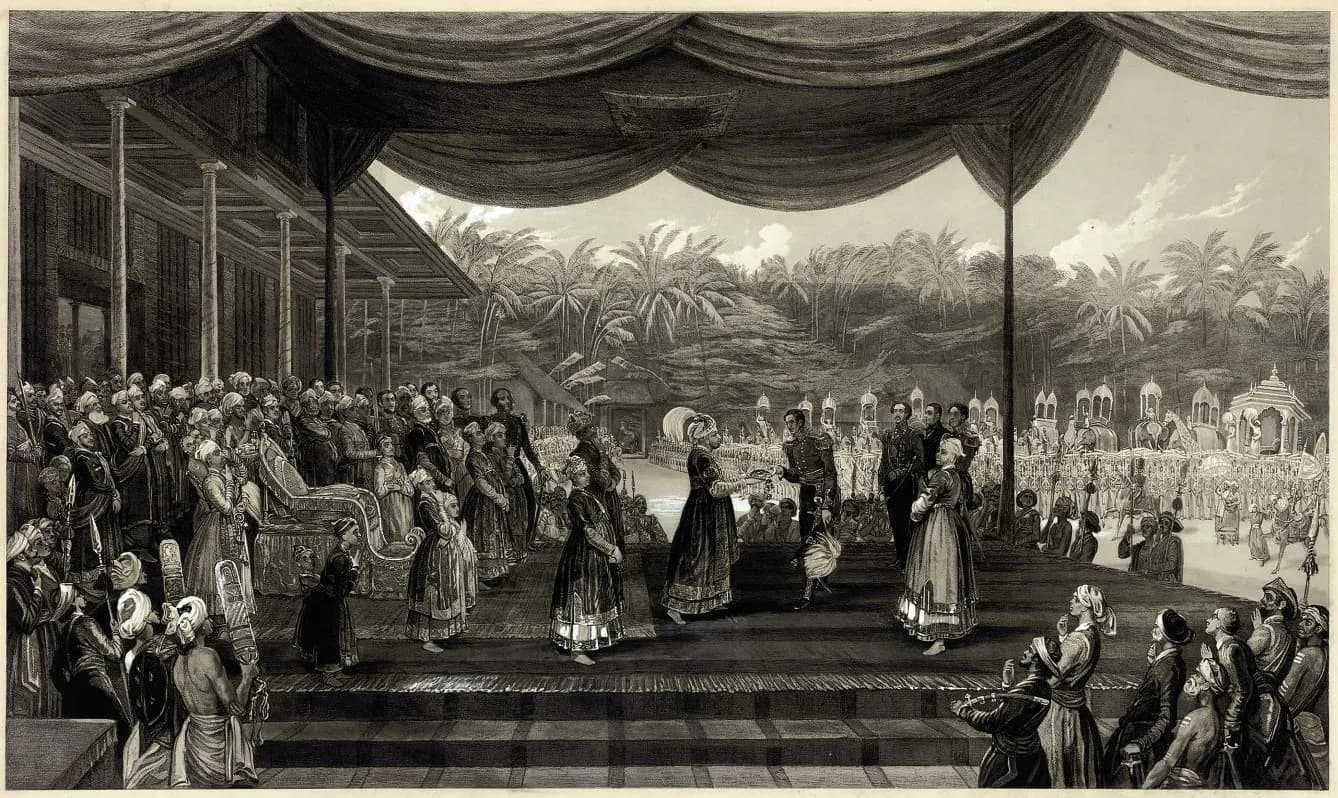
Kerala's history is often told through a handful of familiar chapters: the spice trade, the arrival of the Portuguese, the communist governments of the twentieth century. SAGA, a 12-episode documentary series led by historian Manu S. Pillai, sets out to tell the stories that fall between those chapters.
The series is made in partnership with ARPO, the Archival and Research Project, a not-for-profit organisation focused on Kerala's history, culture and heritage. The Week, which profiled the project in its October issue, reports that the series has already aired and is continuing its run.
A guide, not a lecturer
Pillai is best known as the author of five books of history, most recently Gods, Guns and Missionaries (2024), which was both critically acclaimed and a commercial success. He was a driving force behind SAGA, motivated, The Week reports, by a sense that there was too little serious history content available online.
But the series does not turn him into an all-knowing narrator. Pillai appears as a guide who hands the conversation over to specialists — the people who have spent years on a manuscript, a ritual or a community's memory. ARPO co-founder Sruthin Lal is among those involved in shaping the project.
What the series covers
The range of subjects is what sets SAGA apart. Episodes explore:
- Lost mathematics, including the work of Sangamagrama Madhava, founder of the Kerala school of astronomy and mathematics, whose ideas anticipated later developments in European calculus.
- Theeyattu, an ancient ritual dance-drama.
- Tribal knowledge and art, and the educational gaps that tribal communities still face.
- The royal histories of Kochi and Travancore, alongside Kochi's progressive and communist currents.
- The Ammachis, the Nair women who were consorts of Travancore's rulers, an institution rarely discussed in popular history.
- Muslim culture in Malabar, and the Christian and Jewish heritage that make up Kerala's famously layered identity.
Why it matters
Popular history in India is often dominated by national narratives and political arguments about the past. SAGA's approach — regional, specific and willing to dwell on the marginal — points to a different appetite among audiences: for history that is rigorous but watchable, and that treats a single state's archives as a world in themselves.
For viewers outside Kerala, the series is an introduction to a region whose story is far richer than its postcard image. For those inside it, it may be a reminder of how much of their own past has gone untold.
Sources
This article draws on the following reporting. Dates are when each source was originally published.

Written by
Newsroom
Reporting, explainers and analysis from The Daily’s editorial desk, based on verified public sources that are listed with every story.
More from The Daily Desk →Enjoyed this story?
Get the best of The Daily in your inbox every Sunday.