US Moves to Sanction the International Criminal Court Itself; EU Calls It 'Deeply Regrettable'
The new measures, announced by Secretary of State Marco Rubio, follow earlier sanctions on the court's judges and prosecutor. They take effect after six months.

The United States has escalated its long-running dispute with the International Criminal Court (ICC). In measures announced around October 9, 2026 by Secretary of State Marco Rubio, Washington moved to sanction the court as an institution, not just individual officials. The European Commission called the step "deeply regrettable".
What the US announced
According to reports of the announcement:
- Rubio framed the measures as a ban on transactions with the court, describing the ICC as a "rogue" institution whose resources the US aims to cut off.
- He threatened to "end the ICC" unless it stopped what he called its "threats" against the US and its allies.
- The sanctions are due to take effect after six months.
The precise legal scope of the measures had not been fully published at the time of reporting, so their exact effect on the court's banks, staff and suppliers remains to be seen.
How Europe responded
- The European Commission said the decision was deeply regrettable and that it would work closely with the court so that it can keep functioning. It said it hoped the six-month delay would leave room for dialogue.
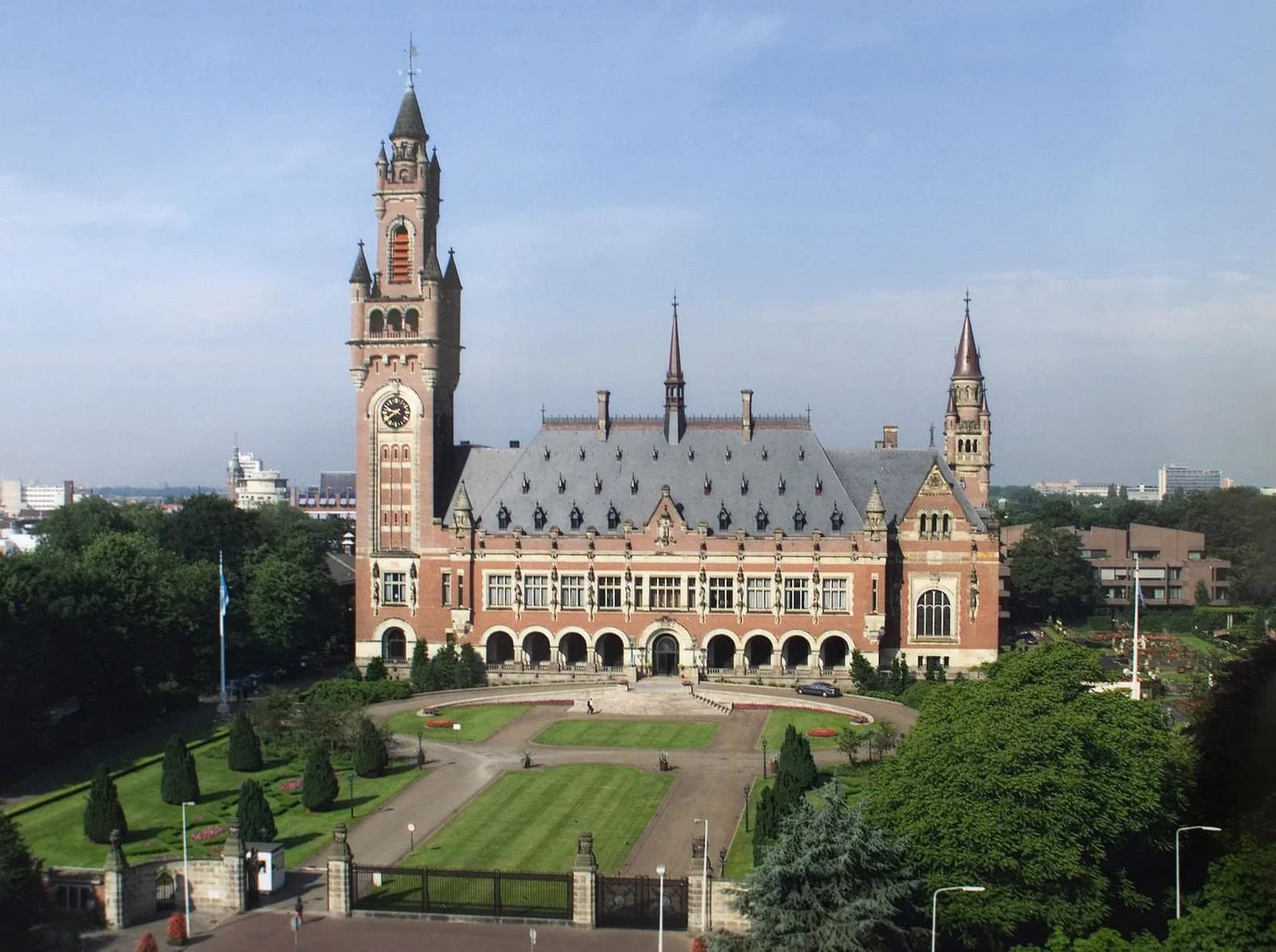
- European Council President António Costa, speaking alongside Dutch Prime Minister Rob Jetten in The Hague, where the court is based, said international justice is the only alternative to revenge and that lasting peace depends on accountability.
- The EU's options include its "blocking statute", a legal tool that can forbid European companies from complying with certain foreign sanctions.
How we got here
This is the latest of several rounds. In August 2026, the US sanctioned the ICC's President, Judge Tomoko Akane, and a senior lawyer at the court, which the EU's foreign policy chief condemned in a statement on August 19. Washington had earlier sanctioned eight ICC judges and the court's prosecutor. The US administration has accused the court of abusing its power, including by issuing an arrest warrant for Israeli Prime Minister Benjamin Netanyahu.
What is the ICC, and where does India stand?
The ICC, based in The Hague, was set up under the Rome Statute of 1998 to try individuals for genocide, crimes against humanity, war crimes and the crime of aggression when national courts are unable or unwilling to do so. It is separate from the UN's International Court of Justice, which settles disputes between states.
India is not a member. Like the United States, China and Russia, India has not joined the Rome Statute, so the court has no jurisdiction over crimes committed on Indian territory unless the UN Security Council refers a situation to it. Even so, India's interest in a functioning system of international law, and in good relations with both the US and Europe, means it will watch this confrontation closely.
Sources
This article draws on the following reporting. Dates are when each source was originally published.
- Euronews: EU calls US sanctions on International Criminal Court 'regrettable' ·
- The Brussels Times: EU condemns US sanctions on ICC leadership, warns of justice system threat
- European External Action Service: International Criminal Court: Statement by the High Representative on US sanctions against President and senior …

Written by
Newsroom
Reporting, explainers and analysis from The Daily’s editorial desk, based on verified public sources that are listed with every story.
More from The Daily Desk →Enjoyed this story?
Get the best of The Daily in your inbox every Sunday.