85 Medals, Fourth Place: India's Aichi-Nagoya Asian Games Report Card
Women led the gold rush and the hockey team delivered, but athletics, shooting, badminton and tennis fell well short of Hangzhou.
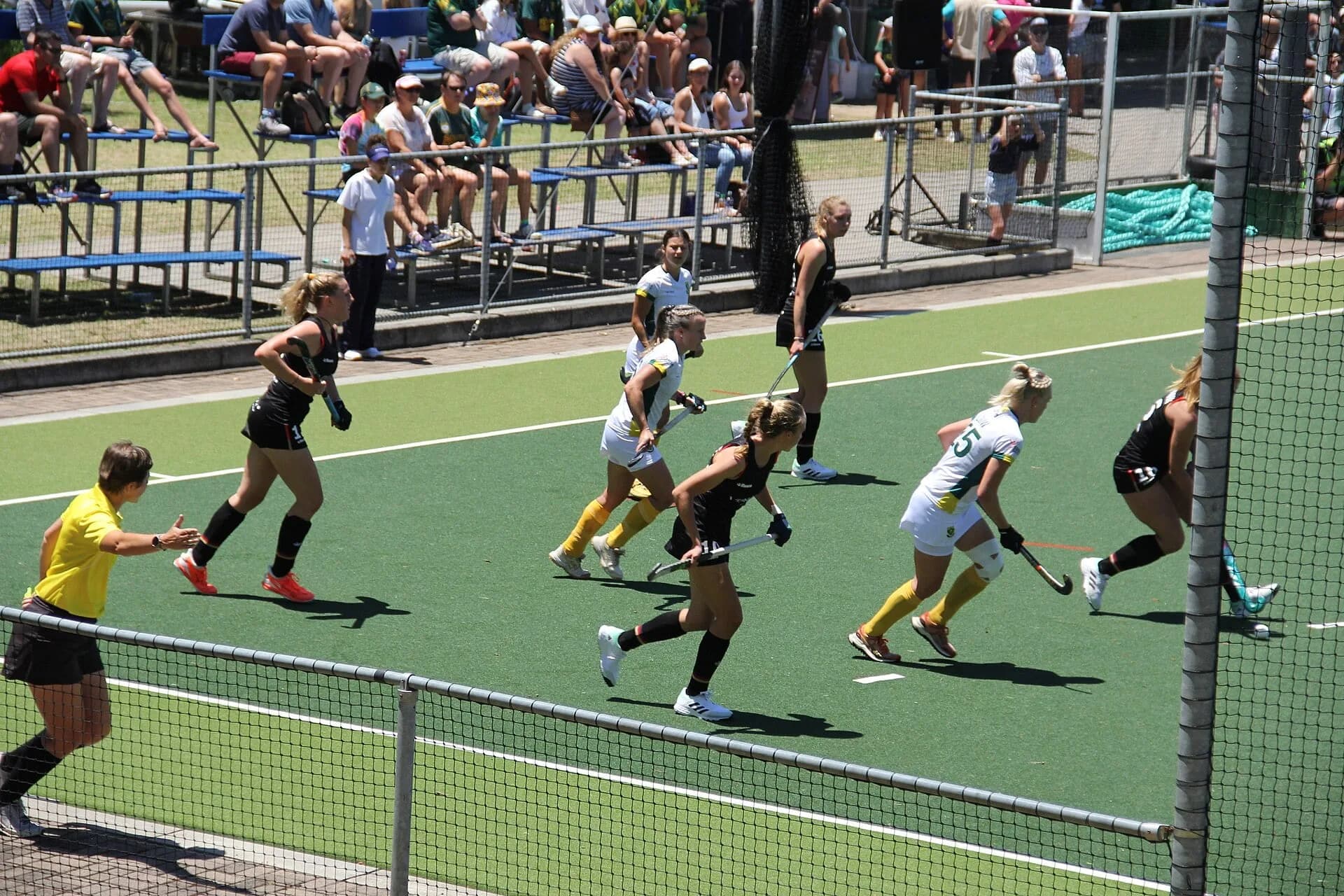
India came home from the Aichi-Nagoya Asian Games in Japan with 85 medals — 21 gold, 27 silver and 37 bronze — and fourth place in the overall standings. By most historical measures, that is a strong performance. By the measure India set for itself three years ago, it is a step back.
At Hangzhou in 2023, India won a record 107 medals, including 28 golds. That haul became the new benchmark, and Aichi-Nagoya fell 22 medals short of it. According to an analysis by Outlook, only eight of the 28 gold medals won in Hangzhou were successfully defended.
What went right
The clearest story of these Games is the strength of India's women. Women won 11 of the 21 golds, compared with seven for men, with three more coming from mixed events.
Among the standouts was shooter Neeru Dhanda, who became the first Indian woman to win an individual Asian Games gold in trap. The men's hockey team won gold, and the women's 4x400m relay team took gold in Nagoya on the track.
The campaign also showed resilience. After nine days of competition India had only four gold medals, before a strong second half lifted the total to 21.
Where it fell short
The disappointments were concentrated in sports that had powered India's Hangzhou success:
- Athletics: golds fell from six to one. Avinash Sable finished fourth, and Tajinderpal Singh Toor took silver in the shot put, missing out on a third straight title.
- Shooting: medals dropped from 22 to 15, and golds from seven to three.
- Badminton: the defending men's doubles champions lost in the opening round and Lakshya Sen went out in the second round. PV Sindhu pointed to a demanding schedule.
- Tennis: no medals at all, the first time that has happened since 1982.
- Table tennis: a single bronze.
Injuries played a large part. Olympic champion javelin thrower Neeraj Chopra missed the Games, Jyothi Yarraji and Praveen Chithravel withdrew, and Yashas Palaksha pulled up with a hamstring injury mid-race.
The bigger picture
Fourth place in Asia, behind the region's established sporting powers, confirms India's place in the continent's upper tier. But the Hangzhou benchmark raised expectations, particularly with the 2028 Olympics on the horizon, and Outlook's verdict — good, but not good enough — is likely to frame the debate over funding, injury management and athlete scheduling in the months ahead.
The encouraging signal lies in the breadth of India's women's success and in a team that kept winning medals when the early days went badly. The worrying one is how much India's total still depends on a few athletes staying fit.
Sources
This article draws on the following reporting. Dates are when each source was originally published.
- Outlook India: InDepth | Good, Not Good Enough: India's Asian Games Report Card ·

Written by
Newsroom
Reporting, explainers and analysis from The Daily’s editorial desk, based on verified public sources that are listed with every story.
More from The Daily Desk →Enjoyed this story?
Get the best of The Daily in your inbox every Sunday.