Delhi's Pollution Season Begins: What GRAP Is, What Each Stage Allows, and What Changed in 2025
The Graded Response Action Plan sets out curbs that kick in as Delhi-NCR's air quality worsens. In November 2025, the air quality commission moved several measures to earlier stages.
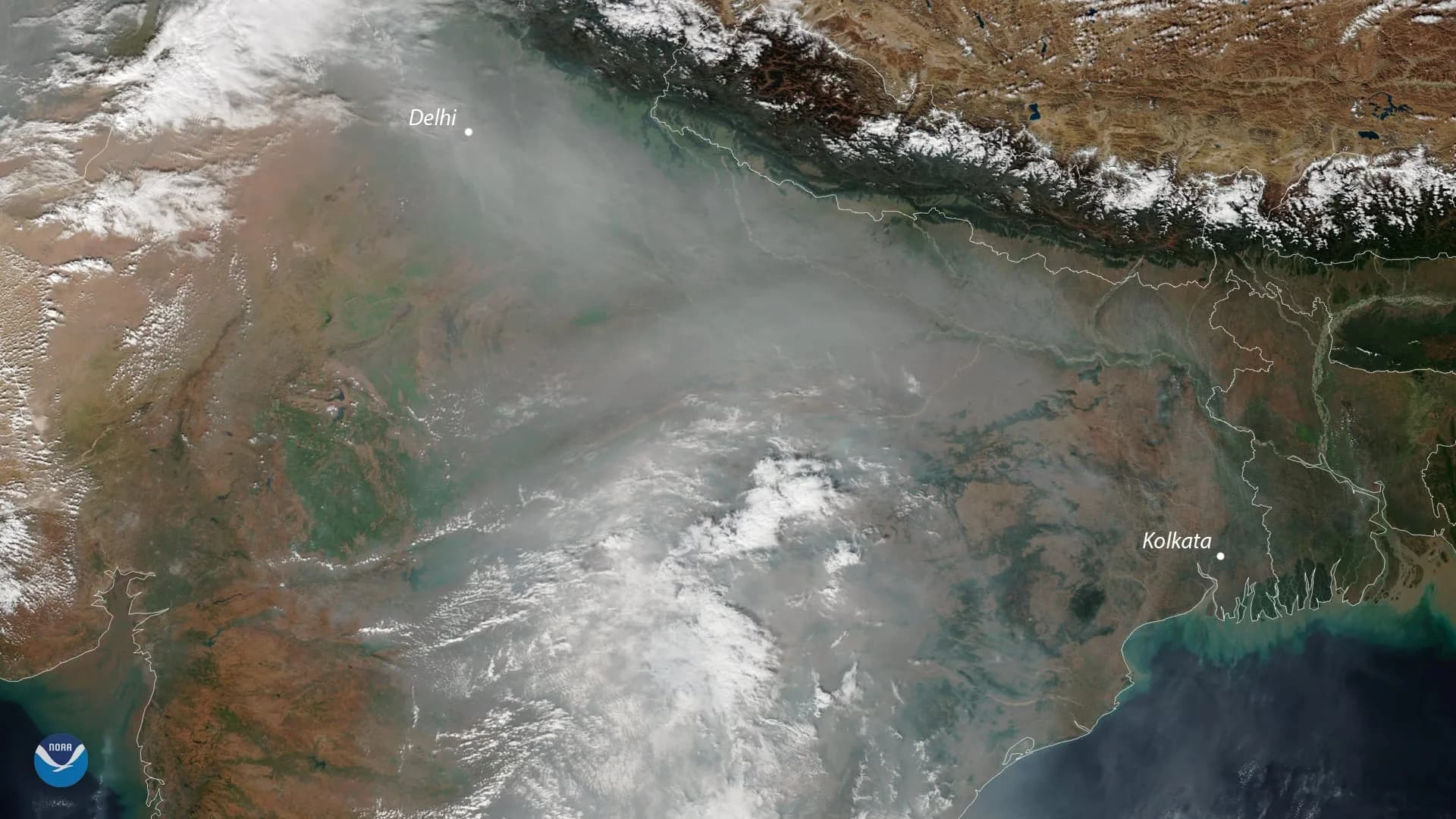
As October settles in, Delhi and the National Capital Region enter the season they dread: falling temperatures, still air, crop-residue fires in neighbouring states and festival fireworks combine to push air quality to some of the worst levels in the world. The government's response follows a rulebook called the Graded Response Action Plan (GRAP).
Here is how it works, and what changed after last winter.
What GRAP is
GRAP is a set of emergency measures for Delhi-NCR that is enforced by the Commission for Air Quality Management (CAQM). Measures are grouped into four stages, linked to the Air Quality Index (AQI). As air quality worsens, CAQM invokes a higher stage, and each stage adds to the curbs of the stages below it.
The four stages
The stages are tied to the AQI bands below. The measures listed are typical examples; the binding list is in CAQM's current order.
- Stage I, "poor" air (AQI 201–300): dust control at construction sites, regular lifting of waste, strict enforcement of pollution checks on vehicles, a ban on burning waste in the open, and limits on the use of diesel generator sets.
- Stage II, "very poor" air (AQI 301–400): more frequent road cleaning and water sprinkling, tighter traffic management, and more pressure to use public transport.
- Stage III, "severe" air (AQI 401–450): wider restrictions on construction and demolition, curbs on older petrol and diesel vehicles, and possible changes to school arrangements.
- Stage IV, "severe+" air (AQI above 450): the strictest curbs, including a near-total halt on construction, restrictions on trucks entering Delhi, and further limits on vehicles and offices.
The exact list of measures in each stage is set by CAQM orders, which are updated from time to time.
What changed in November 2025
Last winter, CAQM made the plan stricter by moving measures up one stage, so they apply earlier, according to News On AIR's report of November 22, 2025:
- From Stage II to Stage I: ensuring uninterrupted power supply so that diesel generators are not needed, intensified traffic management, and public advisories.
- From Stage III to Stage II: staggered working hours for government offices in Delhi, Gurugram, Faridabad, Ghaziabad and Gautam Buddh Nagar.
- From Stage IV to Stage III: allowing state government, municipal and private offices to work with 50% of staff on site and the rest from home.
CAQM also said the Central Government may decide on work-from-home for its own employees.
Is there anything new for 2026?
Some reports have described further changes for this winter. We have not been able to confirm them against an official CAQM order, so we are not listing them here. For the current rules, check the orders section of CAQM's website or official announcements.
What residents can do
- Check the AQI daily through the Central Pollution Control Board's bulletins or the SAFAR and Sameer apps.
- Limit outdoor exercise on "very poor" and "severe" days, especially for children, older people and anyone with heart or lung conditions.
- Use well-fitting N95 masks outdoors on bad days. Cloth and surgical masks offer little protection against fine particles.
- Avoid adding to the problem: don't burn waste, keep your vehicle's pollution certificate up to date, and consider car-pooling or public transport.
Sources
This article draws on the following reporting. Dates are when each source was originally published.
- News On AIR: CAQM tightens GRAP for Delhi-NCR ·
- News On AIR: Delhi-NCR implements GRAP Stage I to tackle worsening air quality ·
- DD News: CAQM invokes stage I of GRAP in Delhi-NCR as air quality declines

Written by
Newsroom
Reporting, explainers and analysis from The Daily’s editorial desk, based on verified public sources that are listed with every story.
More from The Daily Desk →Enjoyed this story?
Get the best of The Daily in your inbox every Sunday.