Great Nicobar Project: Supreme Court Refuses Centre's Plea, Calcutta High Court to Hear Tribal Rights Case on November 25-26
The Centre had challenged a High Court ruling that public interest litigation over forest-rights consent for the mega-project can be heard.
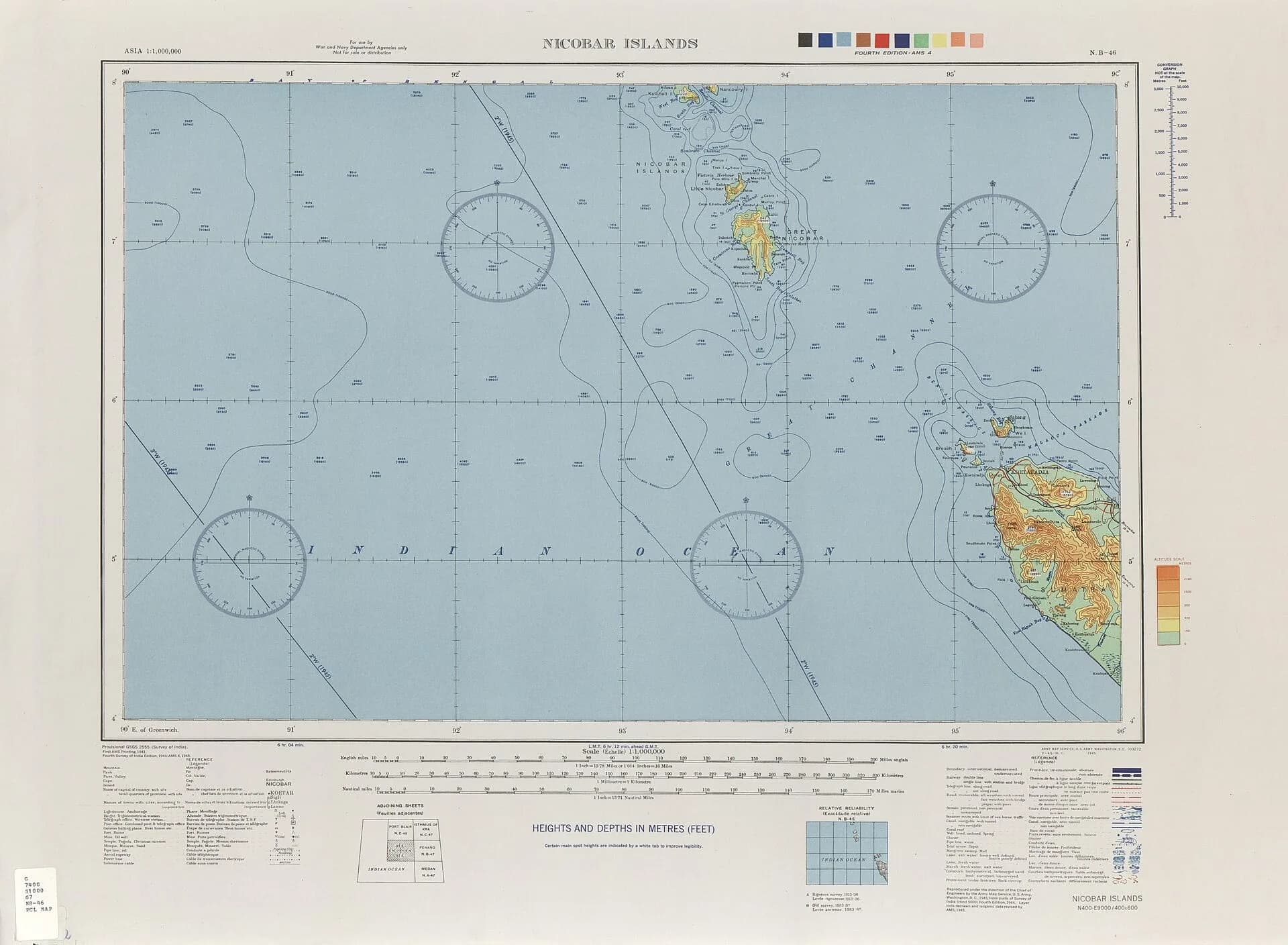
The Supreme Court has refused to block a challenge to the Great Nicobar mega-infrastructure project from going ahead in the Calcutta High Court. On Monday, October 5, 2026, a bench of Chief Justice of India Surya Kant and Justices Joymalya Bagchi and V. Mohana dismissed the Centre's petition against a High Court ruling that public interest litigation (PIL) over the project is maintainable.
The High Court is now expected to hear the matter on November 25 and 26.
What the case is about
The PILs before the Calcutta High Court, which has jurisdiction over the Andaman and Nicobar Islands, allege violations of the Forest Rights Act, 2006 in the way consent was obtained for the Great Nicobar project. They also raise concerns about reductions in eco-sensitive buffer zones around national parks.
Great Nicobar is home to indigenous communities, including groups classified as Particularly Vulnerable Tribal Groups (PVTGs). Under the Forest Rights Act, forest-dwelling communities' rights must be recognised, and their consent obtained, before forest land is diverted for projects.
On May 6, the High Court rejected the Centre's preliminary objection that the PILs could not be heard, holding that there can be no rigid rule on who may bring a public interest case, especially where vulnerable communities are involved.
What each side argued
- The Centre: Attorney General R. Venkataramani said the project is of "great national importance" and questioned whether the PILs were maintainable. He pointed out that the project's environmental clearance is already being challenged before the National Green Tribunal, and objected to multiple proceedings on the same project.
- The petitioners: Senior advocate S. Muralidhar argued that the case concerns the rights of PVTGs and is therefore properly brought as a PIL.
- The bench: Noting that the matter was already listed before the High Court, the Supreme Court declined to interfere. Justice Bagchi observed that the broader questions, including the constitutional protection of indigenous identity and culture, and the scope of the petitions, could be kept open for the High Court to consider.
The Supreme Court asked the High Court to complete the pleadings and hear all the pending petitions on the dates already fixed.
Why it matters
The Great Nicobar project is one of the largest infrastructure plans for the islands, and the Centre regards it as strategically important. Critics have raised concerns about forests, wildlife and the rights of indigenous communities. Monday's order does not decide any of those questions. It means the High Court, not the Supreme Court, will examine the forest-rights challenge first, and that the Centre's objection to the case being heard at all has not succeeded.
We will follow the High Court hearing in November.
Sources
This article draws on the following reporting. Dates are when each source was originally published.
- The Tribune: SC junks Centre's plea against maintainability of PILs in HC in Great Nicobar project ·
- Verdictum: Supreme Court Dismisses Centre's Plea Against Maintainability Of PILs In HC In Great Nicobar Project
- ANI: SC declines centre's plea against PIL on Great Nicobar project, asks HC to hear matter on Nov 25-26

Written by
Newsroom
Reporting, explainers and analysis from The Daily’s editorial desk, based on verified public sources that are listed with every story.
More from The Daily Desk →Enjoyed this story?
Get the best of The Daily in your inbox every Sunday.