Who Are the Houthis? Yemen's Rebel Movement and Why It Is Firing at Saudi Arabia, Explained
From a revivalist movement in northern Yemen to a force that controls the capital and has targeted Red Sea shipping and Gulf airports.
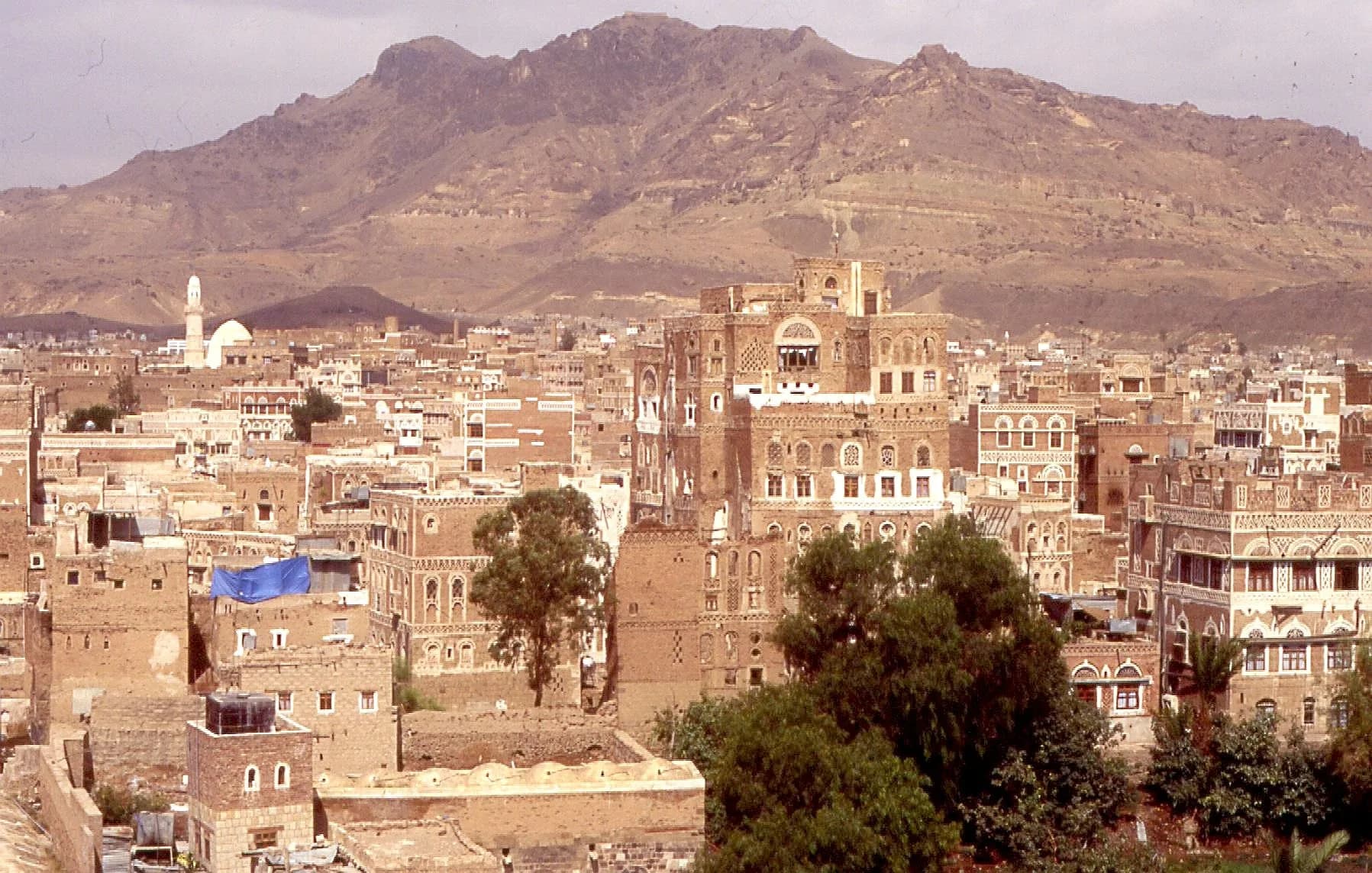
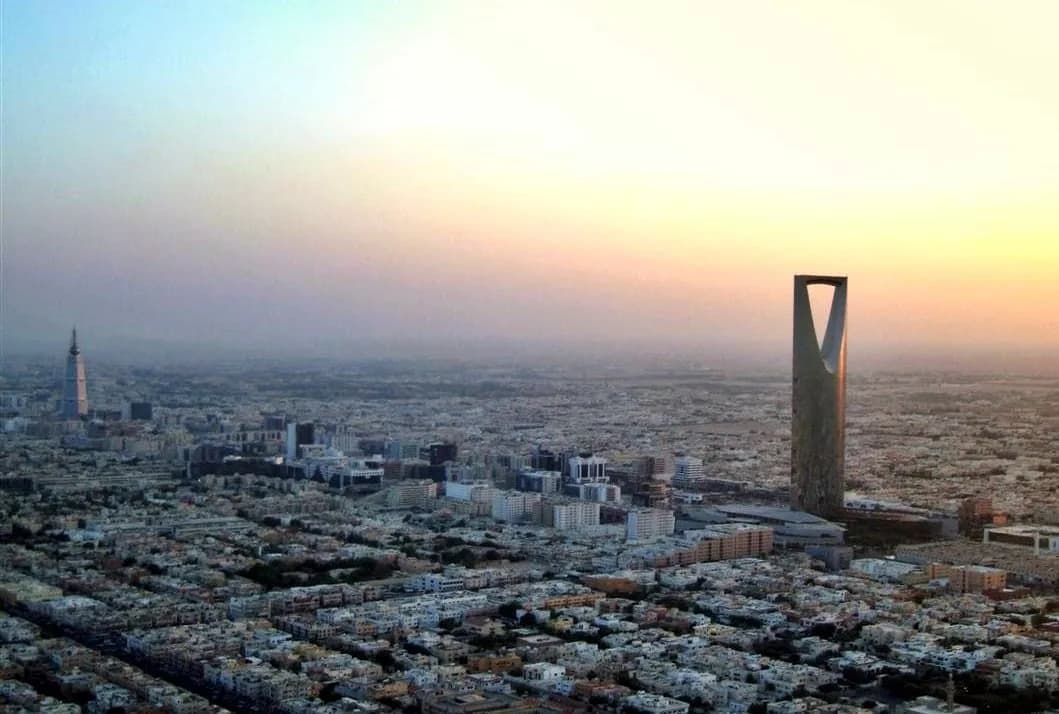
Yemen's Houthi movement is back in the headlines after attacks it claimed on Riyadh's King Khalid International Airport killed three people on October 8, 2026. Read our report on the attacks. Here is a short guide to who the Houthis are and why their war keeps spilling across the region.
Who they are
The Houthis call themselves Ansar Allah ("Supporters of God"). The movement takes its popular name from Hussein Badreddin al-Houthi, who led it in its early years. It grew in the 1990s in Yemen's mountainous north, around Saada, among the Zaidi community, a branch of Shia Islam with deep roots in the region. It began as a religious and political revival movement opposed to the government of the day, to Saudi influence and to US policy in the region.
How they took power
- 2014: the Houthis seized the capital, Sanaa, and later forced Yemen's internationally recognised government out.
- 2015: a Saudi-led coalition intervened to restore that government, starting a war that has lasted more than a decade and created one of the world's worst humanitarian crises.
- Today the Houthis control much of northern Yemen, including Sanaa and most of the population, while the recognised government and its allies hold much of the south and east.
Iran and the Houthis
Saudi Arabia, the US and their allies accuse Iran of arming and training the Houthis, including supplying missile and drone technology. The Houthis present themselves as an independent movement, and analysts debate how much direct control Tehran has. The movement sees itself as part of the regional "axis" opposed to Israel and the US.
Attacks beyond Yemen
The Houthis have repeatedly fired missiles and drones at Saudi Arabia, including at airports and oil facilities. From late 2023, during the Gaza war, they also attacked commercial ships in the Red Sea, forcing many shipping lines to avoid the Suez route and sail around Africa instead. Their latest strikes on Saudi airports follow a renewed Saudi-led offensive against them.
Why it matters for India
- People: millions of Indians live and work in Saudi Arabia and the wider Gulf, and Saudi airports are busy routes for Indian travellers.
- Trade: much of India's trade with Europe passes through the Red Sea. Attacks on shipping raise freight costs and delivery times for Indian exporters and importers.
- Energy: instability around Saudi oil facilities can push up the oil prices that India, a large importer, pays.
Yemen's war has long been called a "forgotten conflict", but its effects reach Indian homes through travel, jobs and prices.
Sources
This article draws on the following reporting. Dates are when each source was originally published.
- Wikipedia: Houthis
- Wikipedia: Yemeni civil war (2014–present)
- Khaleej Times: 3 Saudi citizens, including Saudia captain, killed in attacks on Riyadh airport

Written by
Newsroom
Reporting, explainers and analysis from The Daily’s editorial desk, based on verified public sources that are listed with every story.
More from The Daily Desk →Enjoyed this story?
Get the best of The Daily in your inbox every Sunday.