Why Phones and Laptops Cost More in 2026: The Memory Chip Shortage, Explained Simply
AI data centres are buying up the world's memory chips. That has sent prices soaring and is pushing up the cost of phones and laptops, with budget models hit hardest. Here is why, and how to shop smart.
If a new phone or laptop seems more expensive than you expected this festive season, you are not imagining it. A worldwide shortage of memory chips, the parts that let devices store and run apps, has pushed prices sharply higher in 2026. And the biggest reason is artificial intelligence.
Here is what is going on, what it means for Indian shoppers, and how to buy wisely.
Quick answer
- AI data centres need huge amounts of memory, and chipmakers have shifted production towards them.
- That has left less memory for phones and PCs, sending prices soaring.
- Research firm IDC expects average smartphone prices to rise about 14% in 2026, and phone sales to fall about 13%.
- Budget devices are hit hardest, and some makers are quietly cutting RAM and storage to hold prices.
- Industry leaders expect the squeeze to last years, not months.
What memory chips do
Every phone and laptop has two kinds of memory:
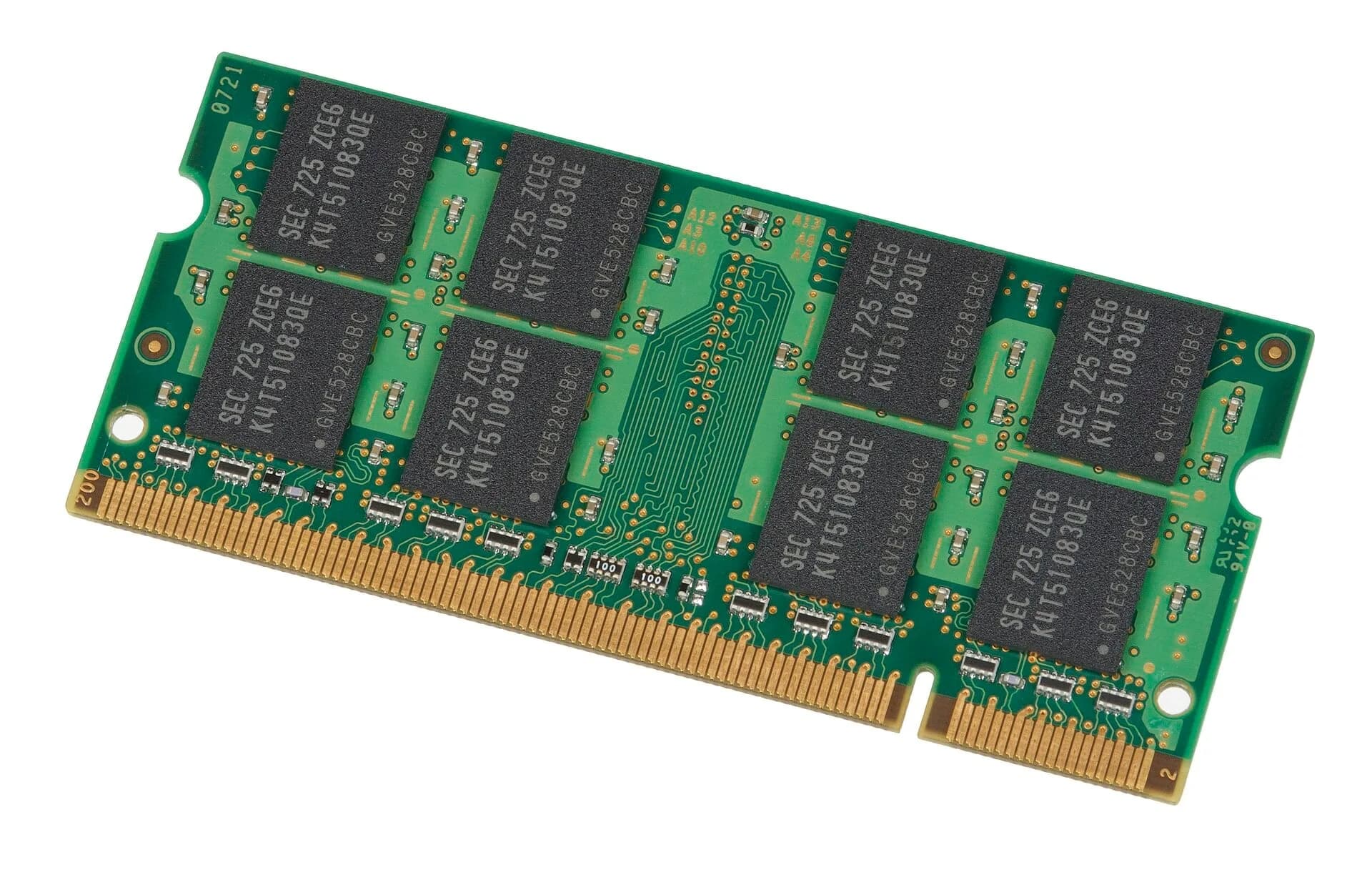
- RAM (DRAM): short-term working memory that lets you run apps and switch between them quickly.
- Storage (NAND flash): long-term memory that holds your photos, videos and apps.
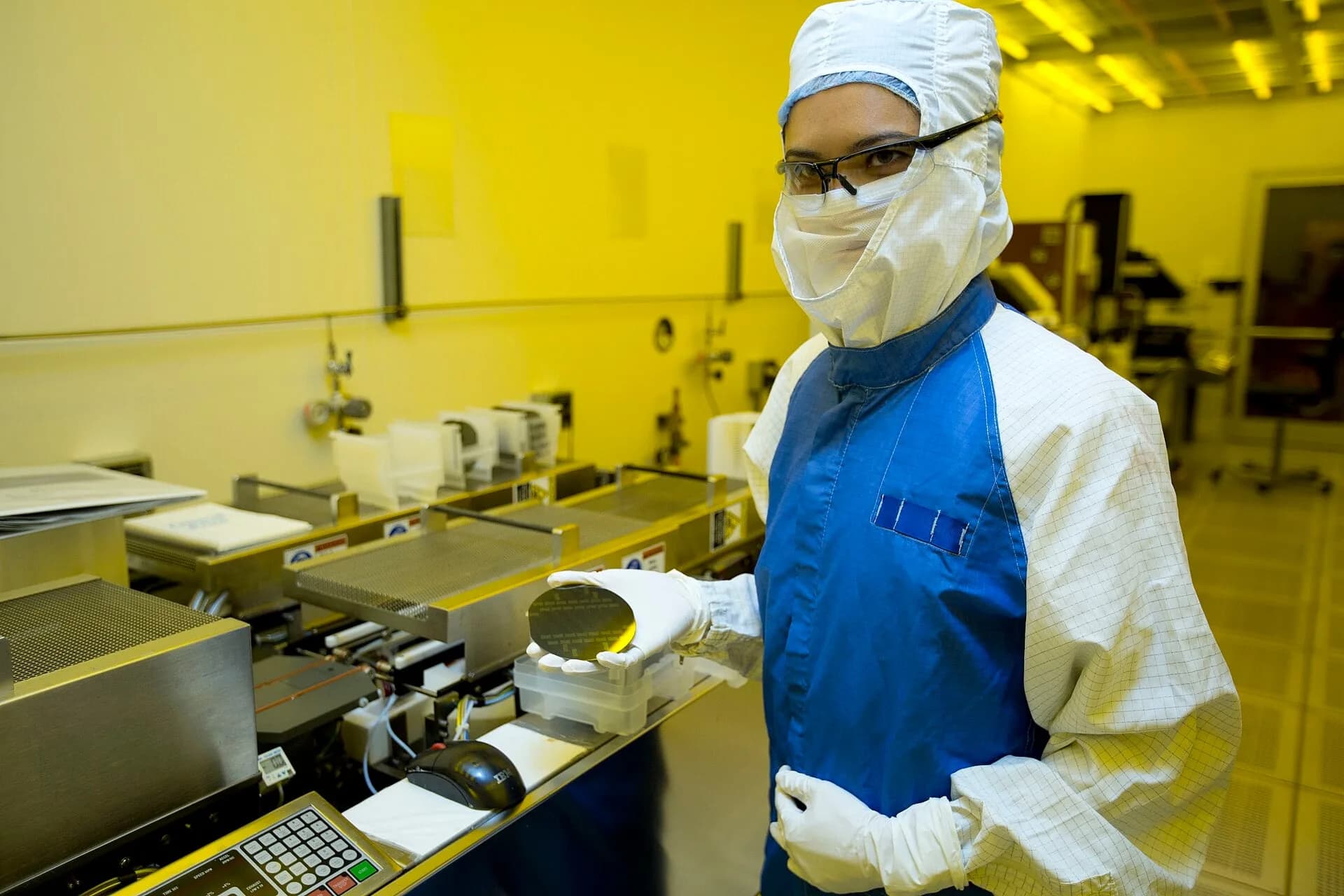
Only a few companies, mainly Samsung, SK Hynix and Micron, make most of the world's memory chips. When their supply is tight, every device maker feels it.
Why AI is causing a shortage
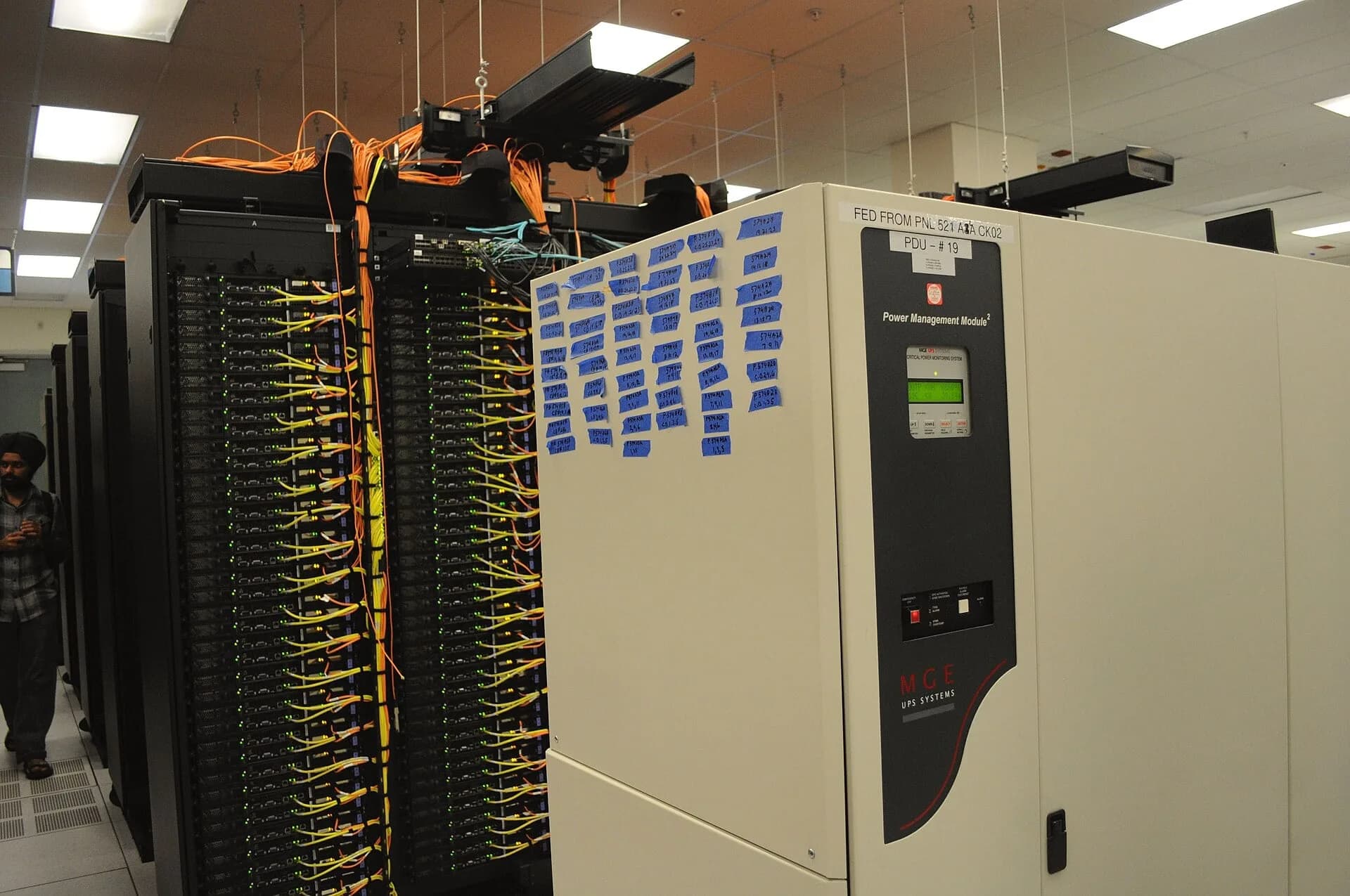
The powerful chips used to train and run AI systems need a special, very fast type of memory called high-bandwidth memory (HBM), and lots of ordinary server memory too. HBM is more profitable for chipmakers, so they have moved factory capacity towards it.
According to IDC research cited by Tech Insider, AI data centres are expected to use about 70% of the memory chips produced this year. With less left for consumer devices, prices have shot up. Market tracker TrendForce reported that contract prices for conventional DRAM jumped by 90% to 95% in just the first quarter of 2026, and Bloomberg reported spot prices up nearly 700% over a year.
How it shows up in prices
- Phones: IDC forecasts average smartphone prices up about 14% this year. In India, iQOO's next flagship is expected to cost close to ₹1 lakh, up from about ₹86,000 for the previous model, with the memory shortage cited as a reason.
- Laptops: HP said memory now makes up about 35% of the cost of a laptop's parts, up from 15% to 18% just one quarter earlier.
- Budget models: for cheaper devices, memory is a bigger share of the total cost, so they are hit hardest. Some brands are offering less RAM or storage at the same price, instead of raising the price.
For Indian buyers there is a double hit: chips are priced in dollars, and the rupee has fallen this year, making imported components even costlier.

How long will it last?
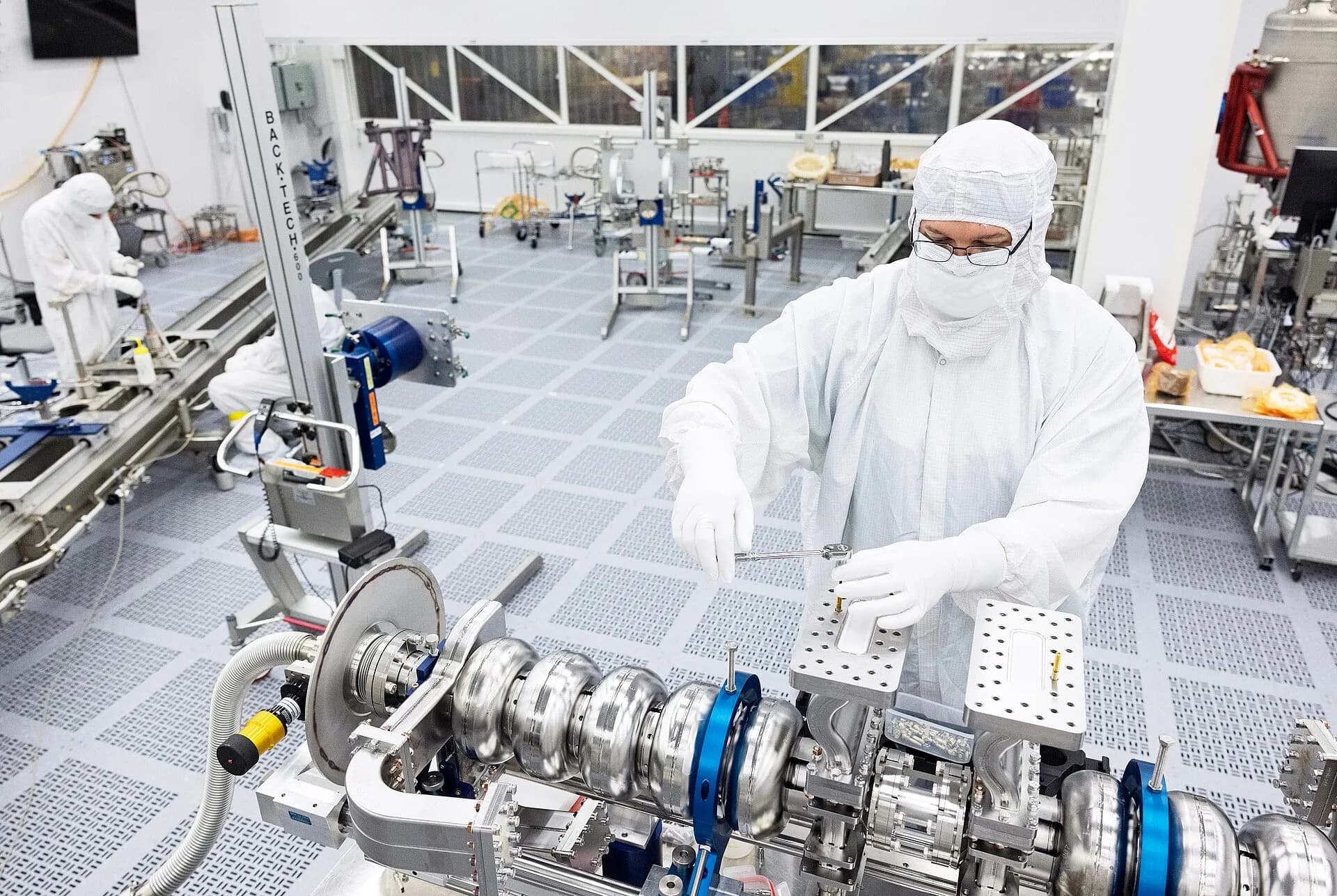
Building a new memory factory takes years and costs billions. SK Hynix's chief executive told Bloomberg the shortage could last beyond 2030, while Intel's chief executive said there would be no relief until 2028. Forecasts like these can change, but nobody in the industry expects prices to fall quickly.
Is India doing anything?
India does not yet make memory chips, but it is building parts of the supply chain. Micron opened an assembly and test facility in India in February 2026, according to Upstox, and several chip plants are under construction under the India Semiconductor Mission. These will take years to make a difference to prices in shops. Read about where India's chip push stands in 2026 for the bigger picture.
Six tips for buying a phone or laptop now
- Check the specs, not just the name. A new model may have less RAM or storage than last year's at the same price.
- Buy enough storage upfront. Many phones don't take memory cards, and you can't upgrade later.
- Consider last year's model. With new prices rising, a discounted older model can be better value.
- Look at certified refurbished devices from reliable sellers with warranty.
- If you need a device soon, don't wait for prices to fall. Most forecasts suggest they won't drop quickly.
- Use festive offers wisely, and beware of fake deals. See our guide to festive sale scams.
The bigger picture
The memory shortage is a reminder that AI's growth has costs beyond electricity and water. It is reshaping prices for everyday gadgets, the salaries and budgets of software companies, and even the plans of governments trying to build chip industries. Our explainer on whether AI can help fight climate change looks at another side of the same story.
Related reading
Sources
This article draws on the following reporting. Dates are when each source was originally published.
Written by
Stories, explainers and features published by The Daily, based on public sources that are listed with every article.
More from The Daily →Enjoyed this story?
Get the best of The Daily in your inbox every Sunday.