India's Chip Push in 2026: Tata's Assam Plant Starts Pilot Runs, Micron Ships 'Made in India' Memory, and Semicon 2.0 Explained
India is finally assembling and testing chips at scale, while its first big wafer fab is still being built. A simple guide to where the semiconductor mission stands, and what the new ₹1.27 lakh crore phase aims to do.
For years, India's semiconductor ambitions were mostly announcements and groundbreaking ceremonies. In 2026, things are finally moving from construction sites to factory floors, though not yet in the way most people imagine when they hear "Made in India chips".
Here is where the mission stands, what has actually started, and what the new Semicon 2.0 programme wants to achieve.
Quick answer
- Tata Electronics has started pilot production at its ₹27,000 crore chip assembly and test plant at Jagiroad, Assam, with a formal launch expected around the turn of the year.
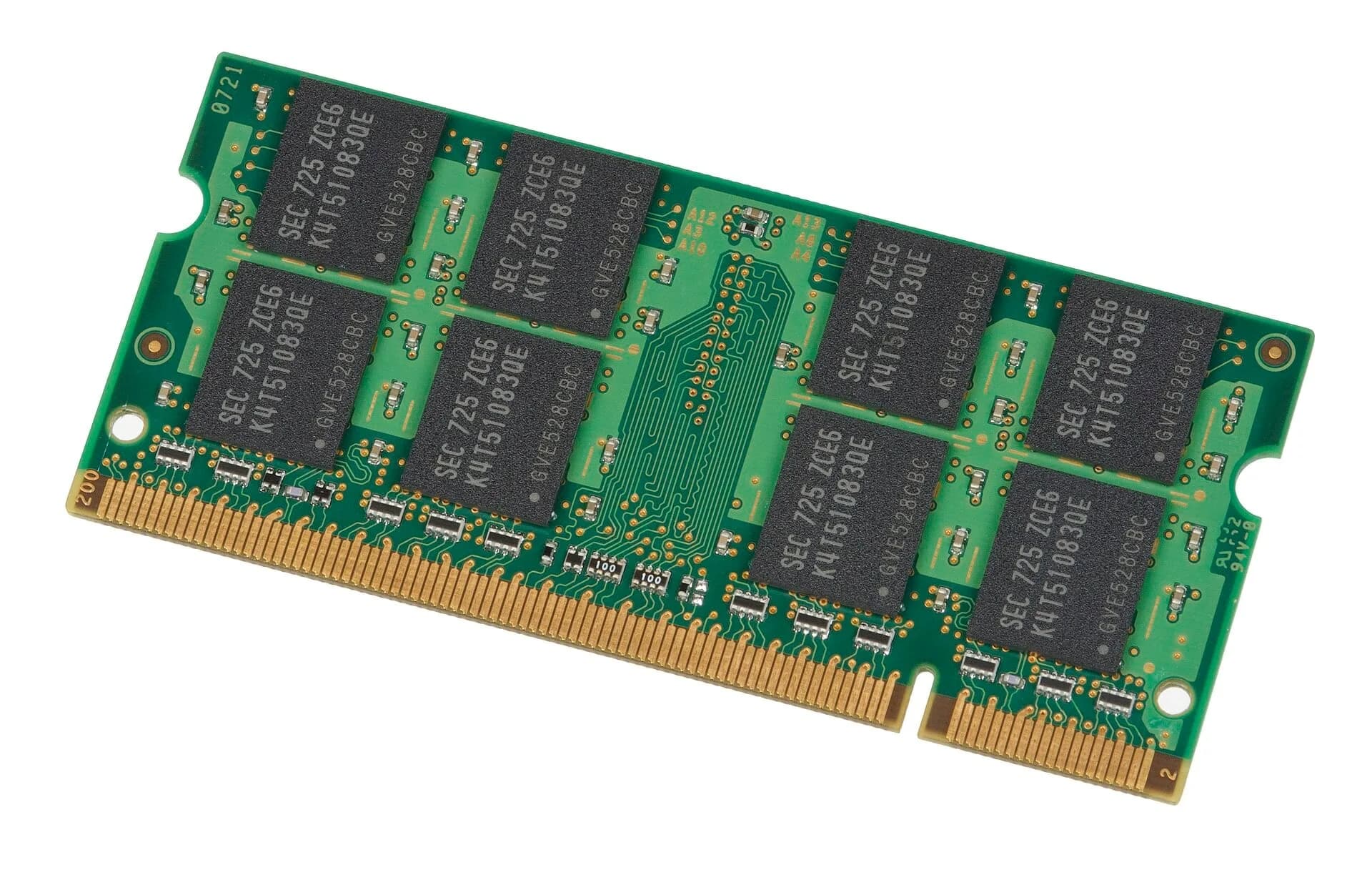
- Micron's plant at Sanand, Gujarat, is in commercial production, shipping India-assembled memory chips.
- Tata's wafer fab at Dholera in Gujarat, India's first big chip "fab", is still under construction.
- Semicon 2.0, approved in July 2026 with ₹1.27 lakh crore, targets 200 chip design companies and 1 lakh skilled technicians.
Fab vs OSAT: the difference that matters
Making a chip happens in two broad stages:
- Fabrication (front end): tiny circuits are printed onto silicon wafers in an ultra-clean fab. This is the hardest and most expensive step.
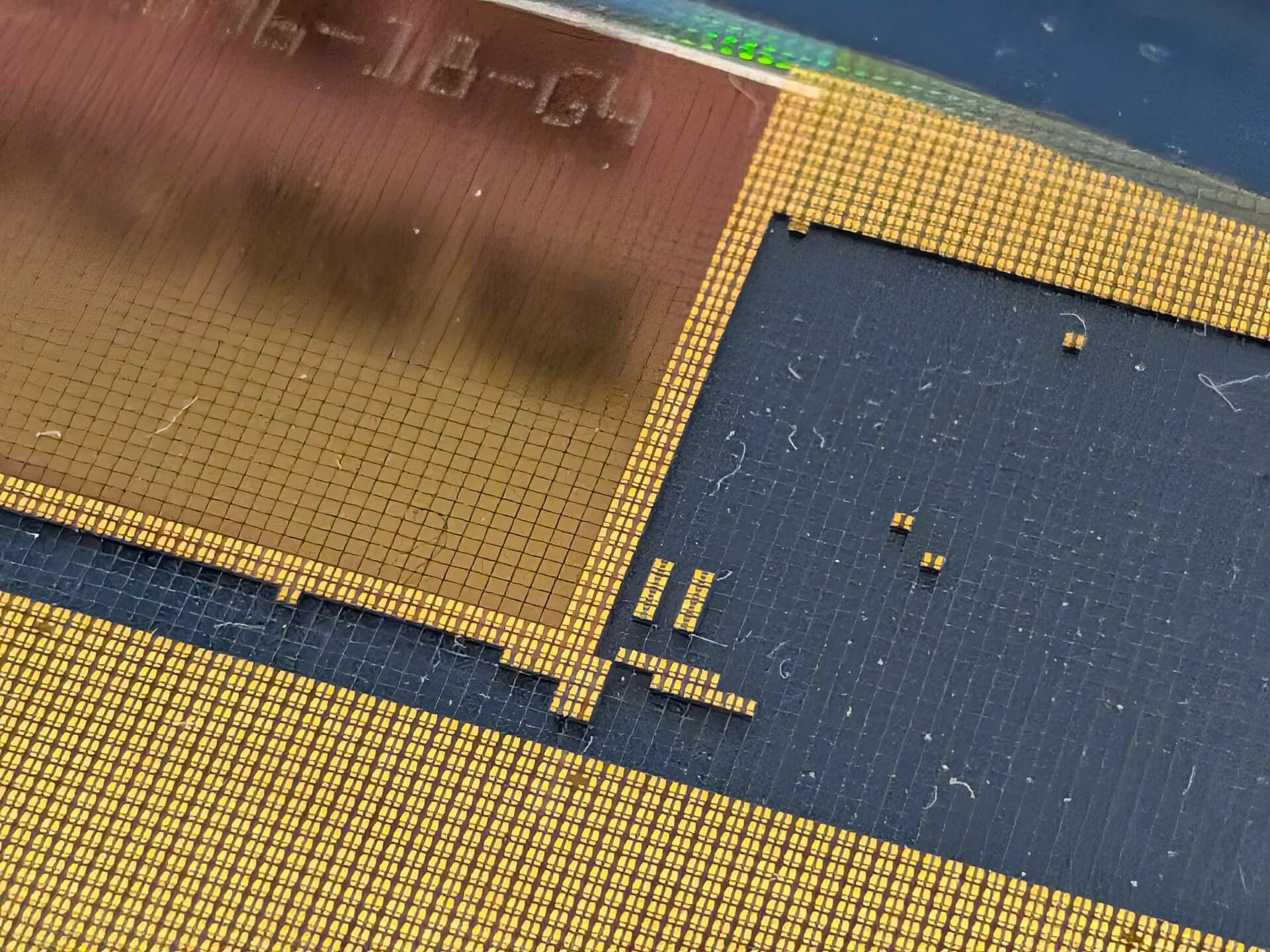
- Assembly, testing and packaging (back end): the wafers are cut into individual chips, packaged and tested in an OSAT or ATMP plant.
India's first commercial factories are in the second stage. That is still a big step: it creates jobs, builds supply chains and trains workers, but the silicon inside these chips is still made abroad for now.
What has started
Micron, Sanand (Gujarat). The US memory maker's assembly and test facility is India's first commercial semiconductor plant of this kind. Micron says the site has begun commercial production, and its filings say it has started shipping memory products assembled in India, with plans to scale up sharply in 2027.
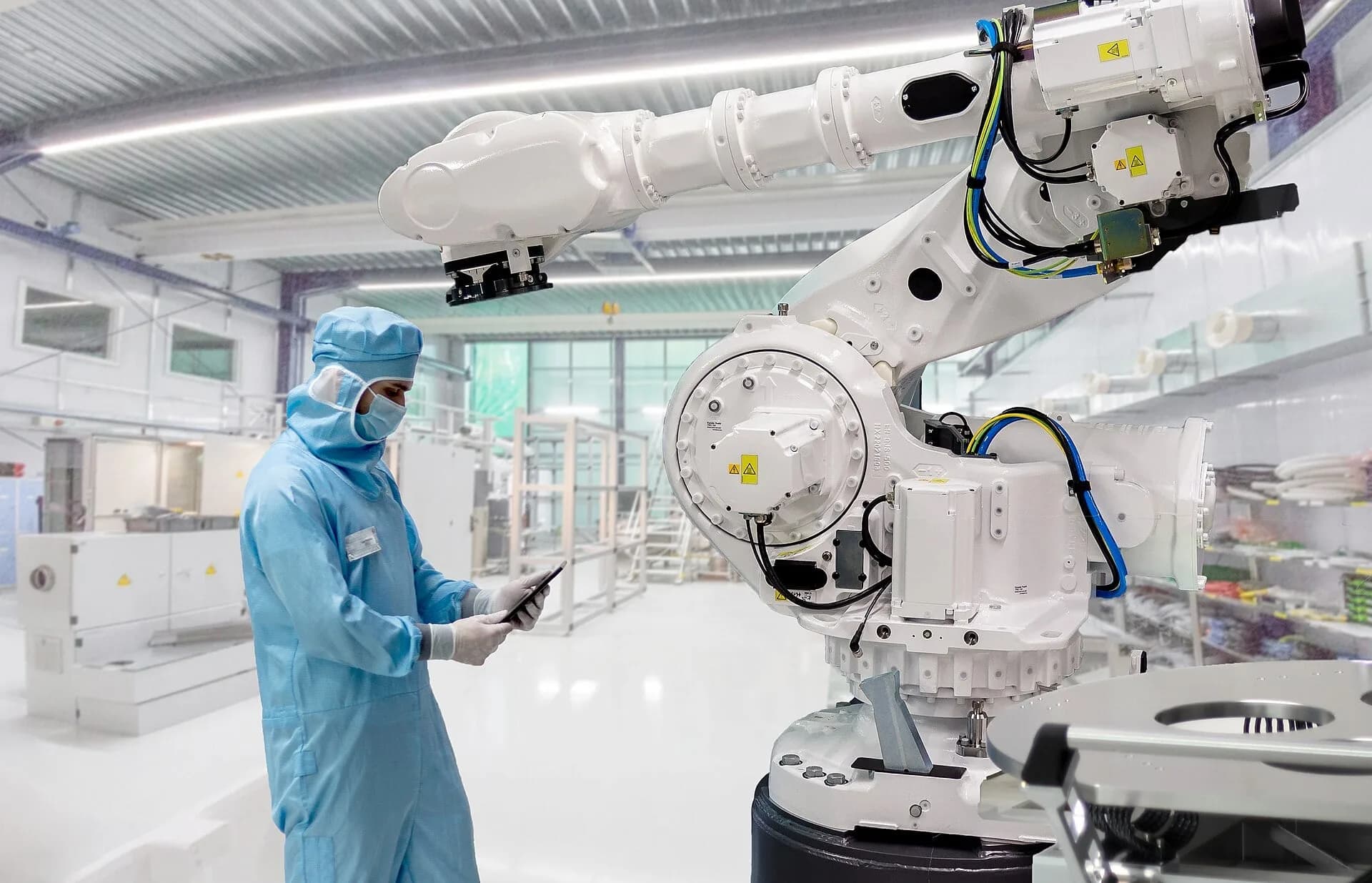
Tata Electronics, Jagiroad (Assam). According to Electronics For You, Tata began pilot production after completing the plant's first clean room. Pilot runs mean the plant is producing chips to qualify them with customers and fine-tune processes before full-scale output. When fully running, the plant is designed to make up to 48 million chips a day. The formal inauguration is expected between December 2026 and January 2027.
At SEMICON India in September, Tata also signed 16 partnerships with suppliers from Europe, Japan, Malaysia and Singapore to bring materials and equipment makers closer and reduce dependence on China.
Other assembly plants, including CG Semi in Sanand and Kaynes units, are also ramping up.
The big fab: Dholera
The most ambitious project is the Tata-PSMC fab at Dholera, Gujarat: a ₹91,526 crore, 300-mm wafer plant built with Taiwan's PSMC, designed for up to 50,000 wafers a month on 28 to 110 nanometre technology. These are not the most advanced chips, but they go into cars, appliances, power devices and telecom equipment.
The timeline has slipped. Officials once spoke of a first chip in 2025, then by the end of 2026; recent reports suggest commercial operations may begin around 2028. Building a fab is extremely complex, so delays are common worldwide.
Semicon 2.0: what's new
Electronics and IT Minister Ashwini Vaishnaw unveiled the second phase at SEMICON India 2026 in New Delhi on September 17. According to Business Today:
- Outlay: ₹1,27,500 crore, approved in July 2026, up from ₹76,000 crore in the first phase, approved in December 2021.
- Chip design: at least 200 startups and companies designing chips in India. In the first phase, more than 105 startups tried chip design, and about 20 raised venture capital.
- Workforce: 1 lakh technicians, cleanroom staff and factory workers.
- Six pillars: chip design; machines and materials such as chemicals and gases; fabrication units for displays, memory and logic; advanced packaging; industry-led research; and talent.
Vaishnaw said about 70,000 of the targeted 85,000 design engineers have already been trained, and more than 400 universities have access to professional chip-design software.
Why it matters
- Supply security: the global chip shortage of 2021-22 hit car makers and electronics companies hard. Local production reduces that risk.
- Jobs and skills: chip plants create high-skill jobs and support thousands of supplier jobs.
- Prices: memory chip shortages are pushing up phone and laptop prices this year; read our explainer on the memory chip shortage. More local capacity won't fix that quickly, but it helps over time.
- Design strength: India already has a huge share of the world's chip-design engineers working for global companies. Semicon 2.0 aims to turn that talent into Indian-owned products.
What to watch next
- The formal opening of Tata's Assam plant and its first customer deals;
- progress and a firm timeline for Dholera;
- how many design startups reach production;
- whether India can attract a memory or display fab, a key goal of the second phase.
Related reading
Sources
This article draws on the following reporting. Dates are when each source was originally published.
- Electronics For You: Tata Electronics starts pilot runs at Assam semiconductor plant
- Business Today: Semicon 2.0: India targets 200 chip design startups and 1 lakh semiconductor technicians
- Micron Technology: Micron celebrates opening of India's first semiconductor assembly and test facility
- Dholera News: Tata's ₹91,000 crore Dholera fab to roll out first chip
Written by
Stories, explainers and features published by The Daily, based on public sources that are listed with every article.
More from The Daily →Enjoyed this story?
Get the best of The Daily in your inbox every Sunday.