NavIC, India's Own GPS, Gets a Lifeline: Why the NVS-03 Launch Matters and Whether Your Phone Can Use It
ISRO plans to launch the NVS-03 navigation satellite on a GSLV in the second half of October. With only three NavIC satellites giving position fixes, here is why this launch is so important.
When you open a map on your phone, it usually relies on America's GPS. India has its own system, NavIC (Navigation with Indian Constellation), built by ISRO so that the country is not dependent on foreign satellites for something as vital as navigation and timing.
But NavIC has been struggling. Failed atomic clocks and a satellite lost in 2025 have left it short of satellites. ISRO is now preparing to launch NVS-03 on a GSLV rocket, likely in the second half of October, to help bring NavIC back to full strength.
Quick answer
- What is NavIC? India's regional satellite navigation system, covering India and about 1,500 km around it.
- The problem: you need at least four satellites for an accurate fix, and as of March 2026 only three NavIC satellites were providing position service.
- The fix: NVS-03, a new-generation satellite with an Indian-made atomic clock, due on a GSLV from Sriharikota, with a launch window reported for mid-to-late October.
- Your phone: many recent Android phones with Qualcomm and some other chips already support NavIC alongside GPS.
Why India built its own navigation system
Navigation satellites do much more than guide drivers. They provide precise timing for banks, power grids and telecom networks, and guidance for ships, aircraft, farmers and the armed forces.
India's push for its own system is often traced to the 1999 Kargil conflict, when access to GPS data for the region was reportedly denied. Relying on another country's system for defence and critical infrastructure was seen as a risk. NavIC, first called IRNSS, was approved soon after, and its satellites began launching in 2013.
How NavIC works
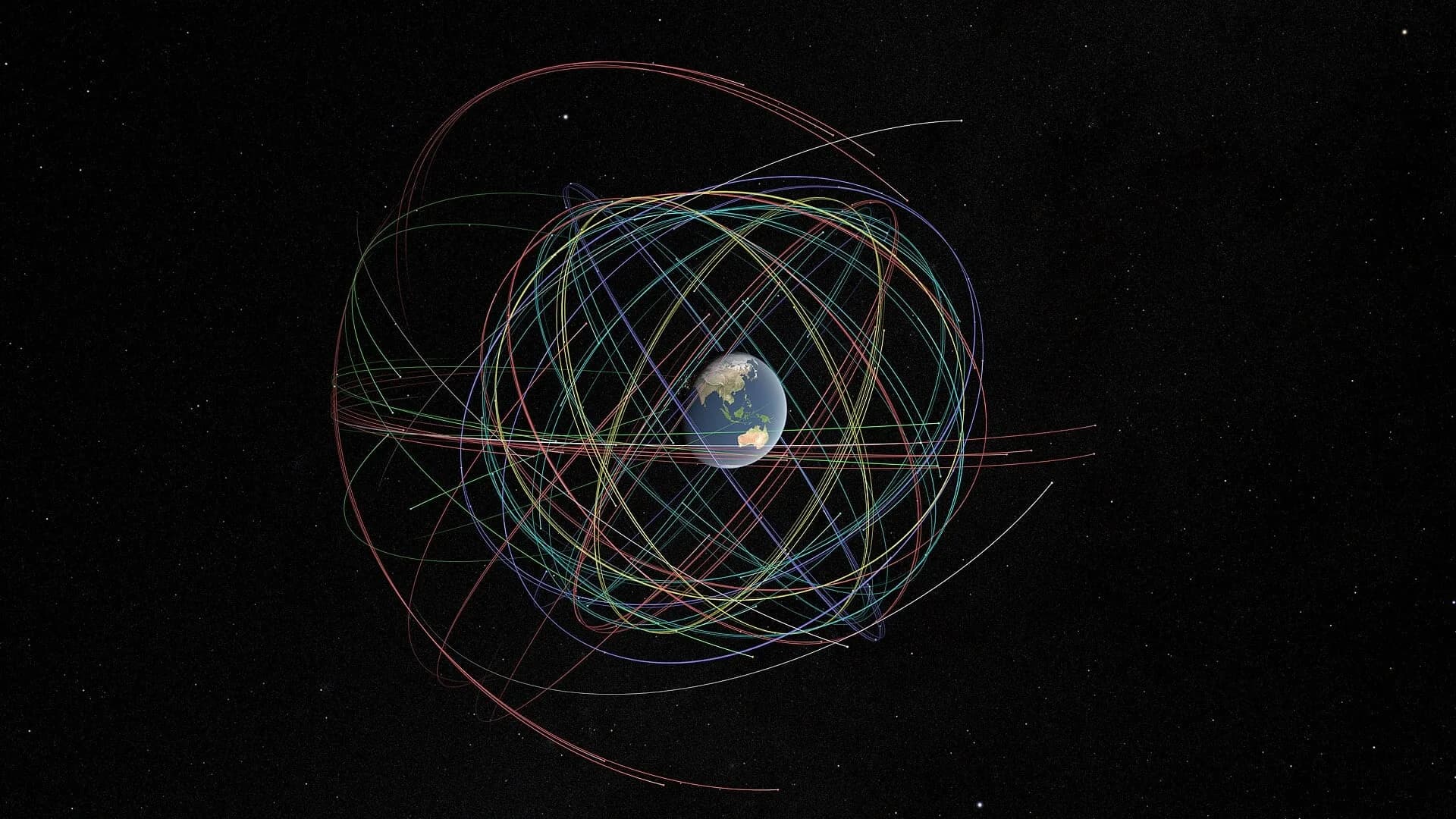
Unlike GPS, which has more than 30 satellites circling the whole planet, NavIC is regional. Its satellites sit in high orbits over the Indian Ocean, so they always "see" India.
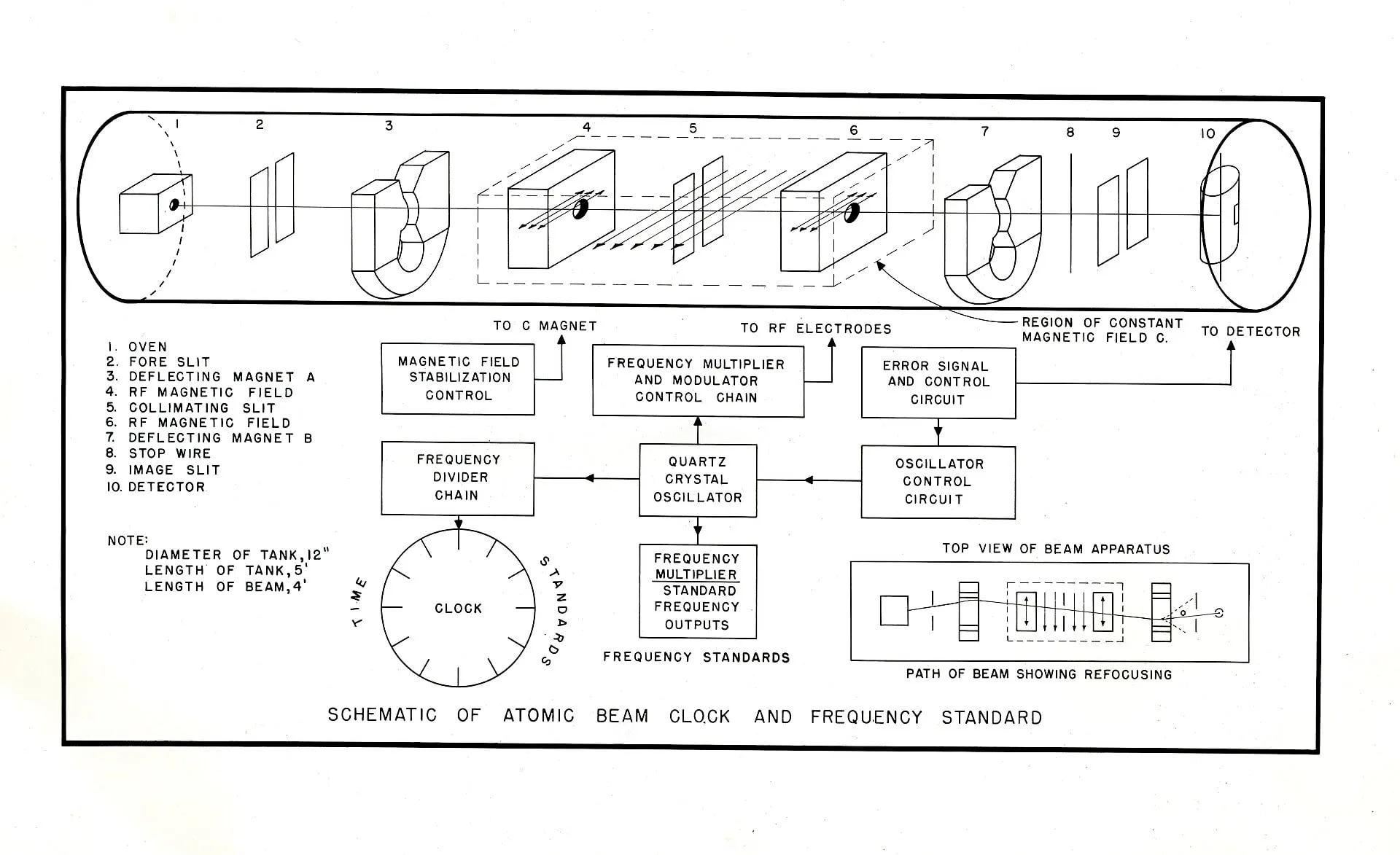
Each satellite carries an extremely precise atomic clock and continuously broadcasts its time and position. A receiver, such as your phone, picks up signals from several satellites and calculates its position from tiny differences in timing. That is why at least four working satellites are needed for an accurate fix.
What went wrong
- Clock failures: the first-generation NavIC satellites used imported rubidium atomic clocks, many of which failed. According to a 2025 RTI reply reported in the media, several satellites became unusable for navigation and are now used only for messaging, such as disaster warnings.
- NVS-02 lost: ISRO launched the first replacement, NVS-01, successfully in May 2023. But NVS-02, launched in January 2025, could not reach its intended orbit because of a propulsion problem.
- Result: as of March 2026, only three satellites, IRNSS-1B, IRNSS-1I and NVS-01, could provide position service, below the minimum of four.
What NVS-03 brings
- Indian-made atomic clock: NVS-03 carries a rubidium clock designed at ISRO's Space Applications Centre in Ahmedabad, replacing the imported clocks that failed.
- L1 signal: like NVS-01, it adds a civilian signal on the L1 band, the same band used by GPS, making it easier for phones, smartwatches and small devices to use NavIC.
- Longer life and better security: new-generation satellites are designed to last longer and offer improved encryption for restricted users such as the armed forces.
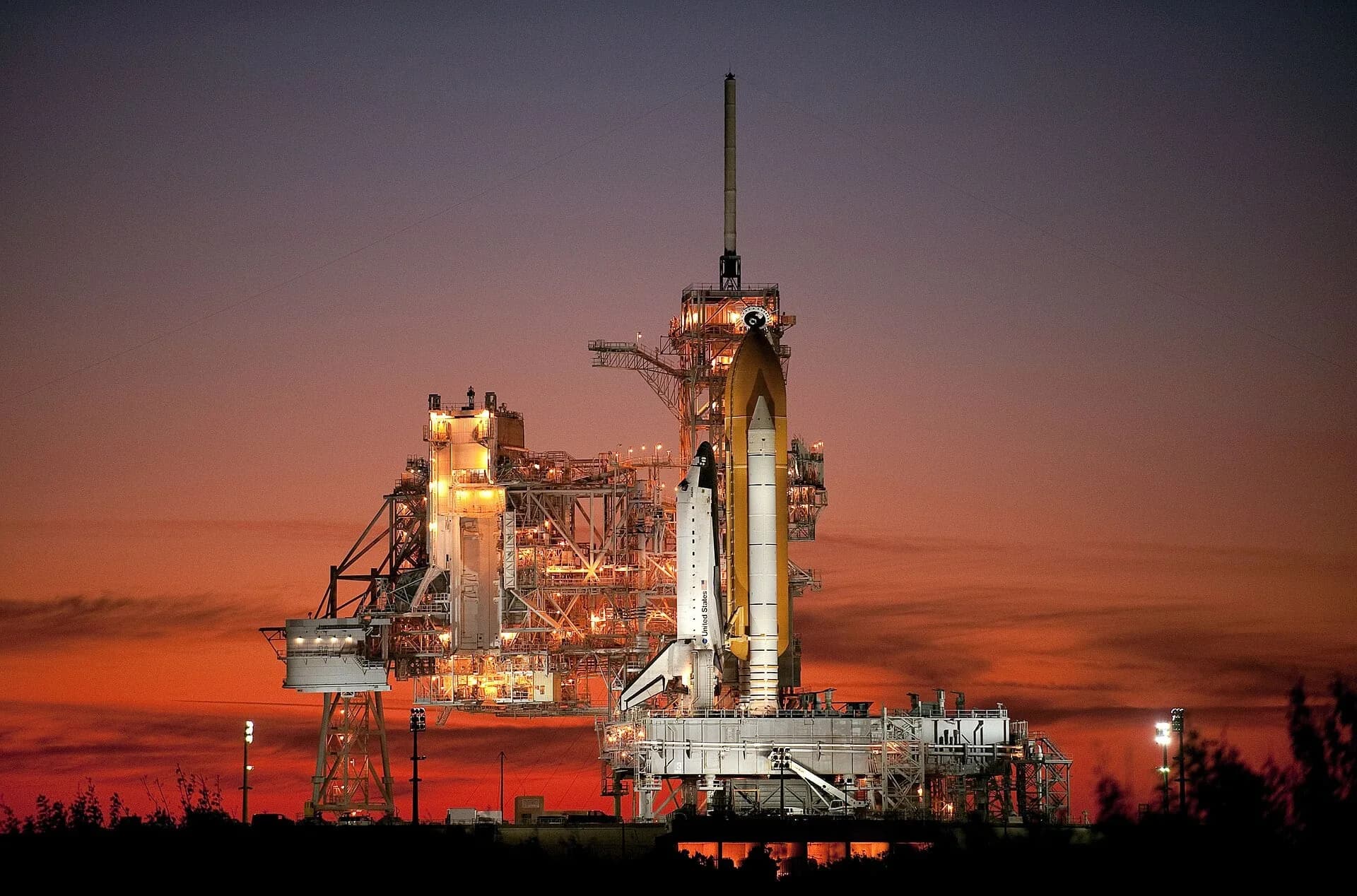
- Launch: it will fly on GSLV-F18 from the Satish Dhawan Space Centre, Sriharikota. The satellite weighs about 2,232 kg. The launch date had slipped from September, and ISRO had not announced a final date at the time of writing.
If NVS-03 reaches orbit and works, NavIC should be back to four position-capable satellites, with NVS-04 and NVS-05 planned to follow.
Can your phone use NavIC?
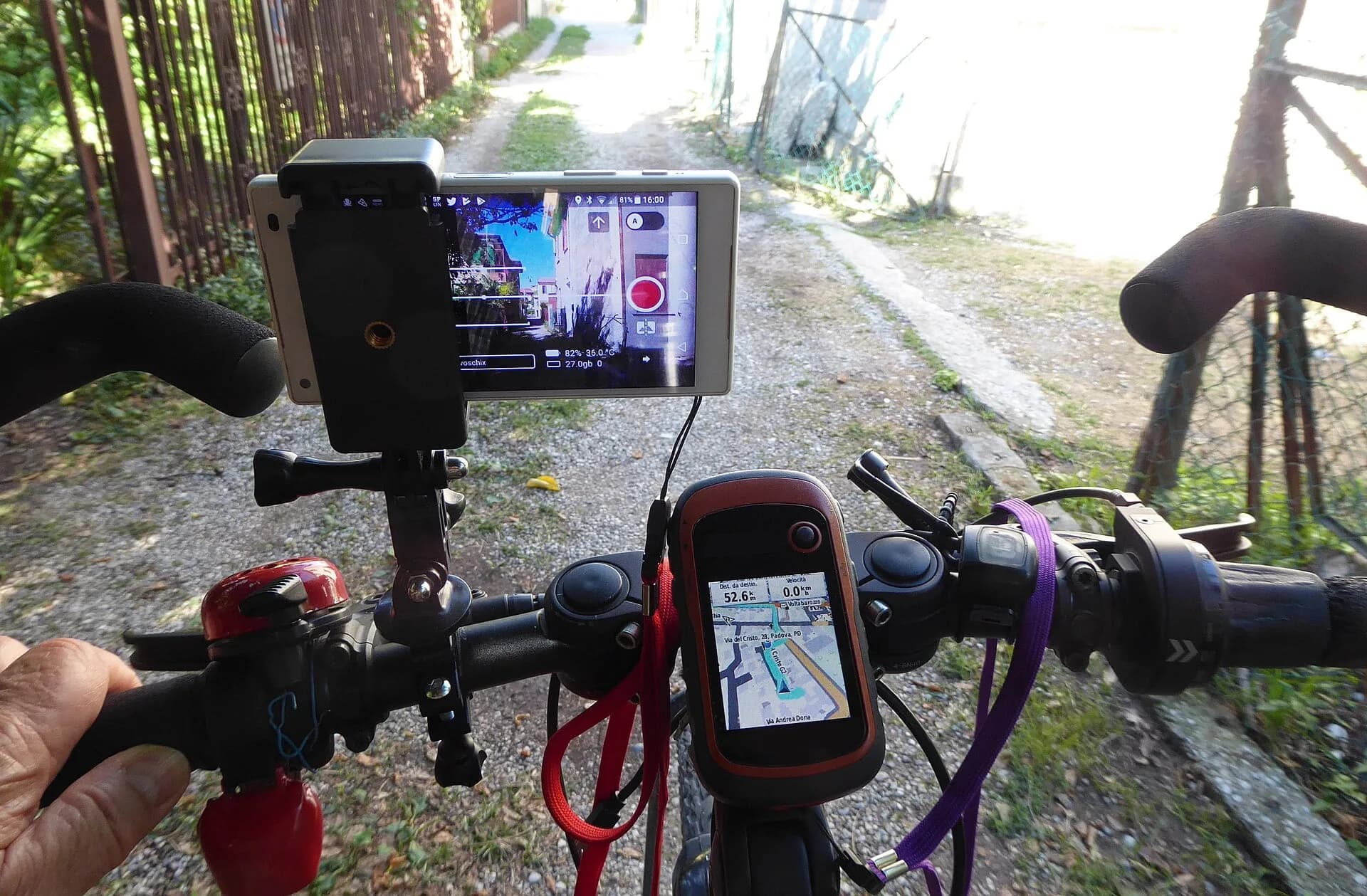
Probably, if it is recent. Many phones with Qualcomm Snapdragon and some MediaTek chips have supported NavIC since 2020. Phones combine signals from GPS, NavIC and other systems such as Europe's Galileo, so you don't need to switch anything on.
To check, look up your phone's specifications for "NavIC" or "IRNSS", or use a free GNSS viewer app, which shows the satellites your phone can see.
Where NavIC is already used
- Commercial vehicles: since April 2019, tracking devices on many commercial vehicles in India must support NavIC.
- Fishermen: NavIC-based devices send weather and cyclone warnings to boats at sea.
- Timing: power, telecom and financial networks can use NavIC's timing signal.
- Defence: its encrypted service is meant for the armed forces.
What else is coming from ISRO
According to launch trackers, ISRO's upcoming missions include the first uncrewed Gaganyaan test flight, listed for no earlier than November, and more PSLV and LVM-3 launches into 2027. Read our explainer on space technology, from satellite internet to reusable rockets.
Related reading
Sources
This article draws on the following reporting. Dates are when each source was originally published.
- Wikipedia: Indian Regional Navigation Satellite System (NavIC)
- Wikipedia: NVS-03
- Next Spaceflight: ISRO upcoming launches
Written by
Stories, explainers and features published by The Daily, based on public sources that are listed with every article.
More from The Daily →Enjoyed this story?
Get the best of The Daily in your inbox every Sunday.