India's First Hydrogen Train: How the Jind-Sonipat 'NaMo Green Rail' Works, What It Cost, and Where Hydrogen Trains Go Next
Built in India and running since July, the 10-coach train emits only water vapour. But at about ₹112 crore for the pilot, is hydrogen worth it? A simple explainer.
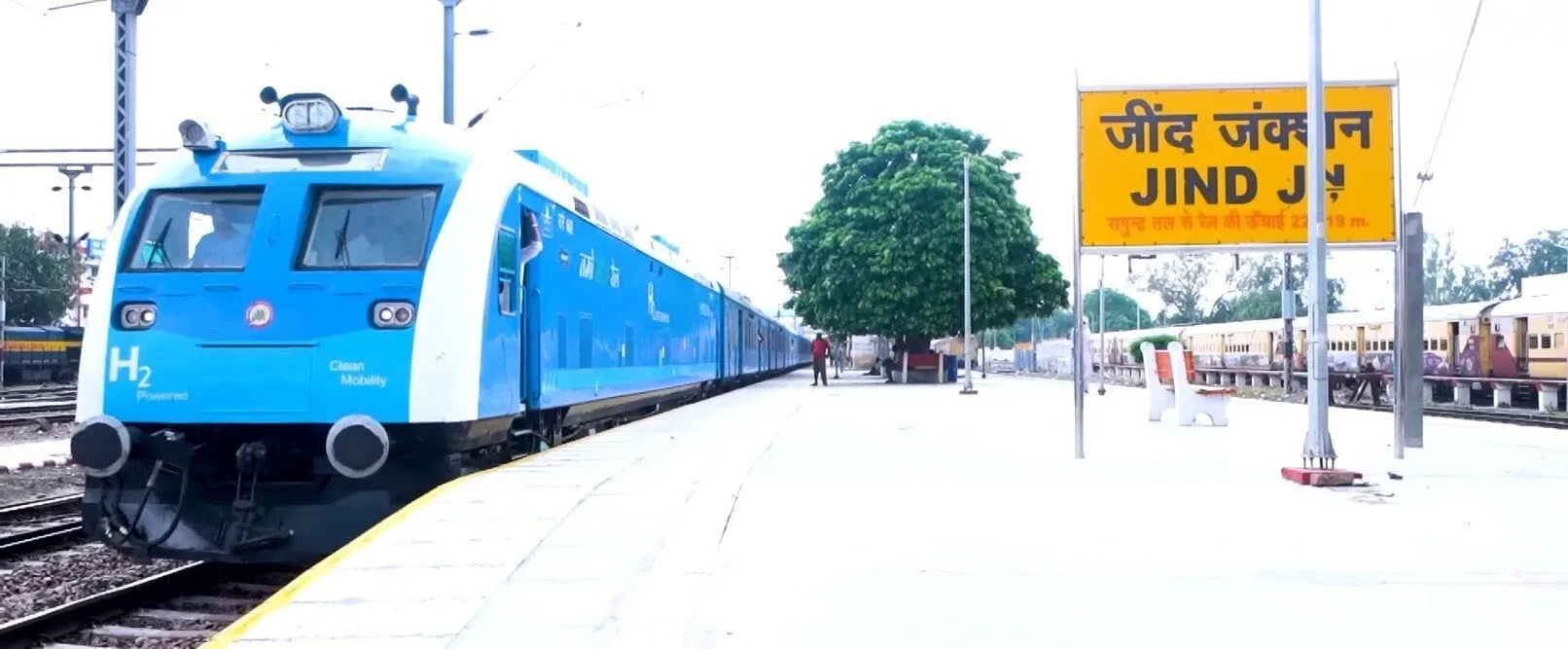
On the 90-km stretch between Jind and Sonipat in Haryana, a train has been quietly making history since July 17, 2026. It burns no diesel and needs no overhead wires. Its only exhaust is water vapour and heat.
This is the "NaMo Green Rail", India's first hydrogen-powered train, designed and built in the country. Here is how it works, what it cost and whether hydrogen trains have a future on Indian Railways.
Quick answer
- Route: Jind to Sonipat, about 90 km, with two return trips a day.
- Train: 10 coaches, room for about 2,600 passengers, running at up to 75 km/h.
- Power: a 1,200 kW hydrogen fuel-cell system.
- Cost of the pilot: about ₹112 crore, including the train conversion and a hydrogen plant at Jind, according to Outlook Business.
- Next: a plan for 35 hydrogen trains, mainly on heritage and hill routes, at an estimated ₹2,800 crore.
How a hydrogen train works
A hydrogen train is really an electric train that makes its own electricity.
- Hydrogen is stored in high-pressure tanks on board.
- In a fuel cell, hydrogen combines with oxygen from the air. This chemical reaction produces electricity, with water as the only by-product.
- The electricity drives electric motors that turn the wheels.
- Batteries store extra energy, and regenerative braking recharges them when the train slows down.
There is no burning, so there is no smoke, no carbon dioxide at the tailpipe and much less noise than a diesel engine.
What the ₹112 crore paid for
According to Outlook Business, the pilot cost about ₹111.83 crore:
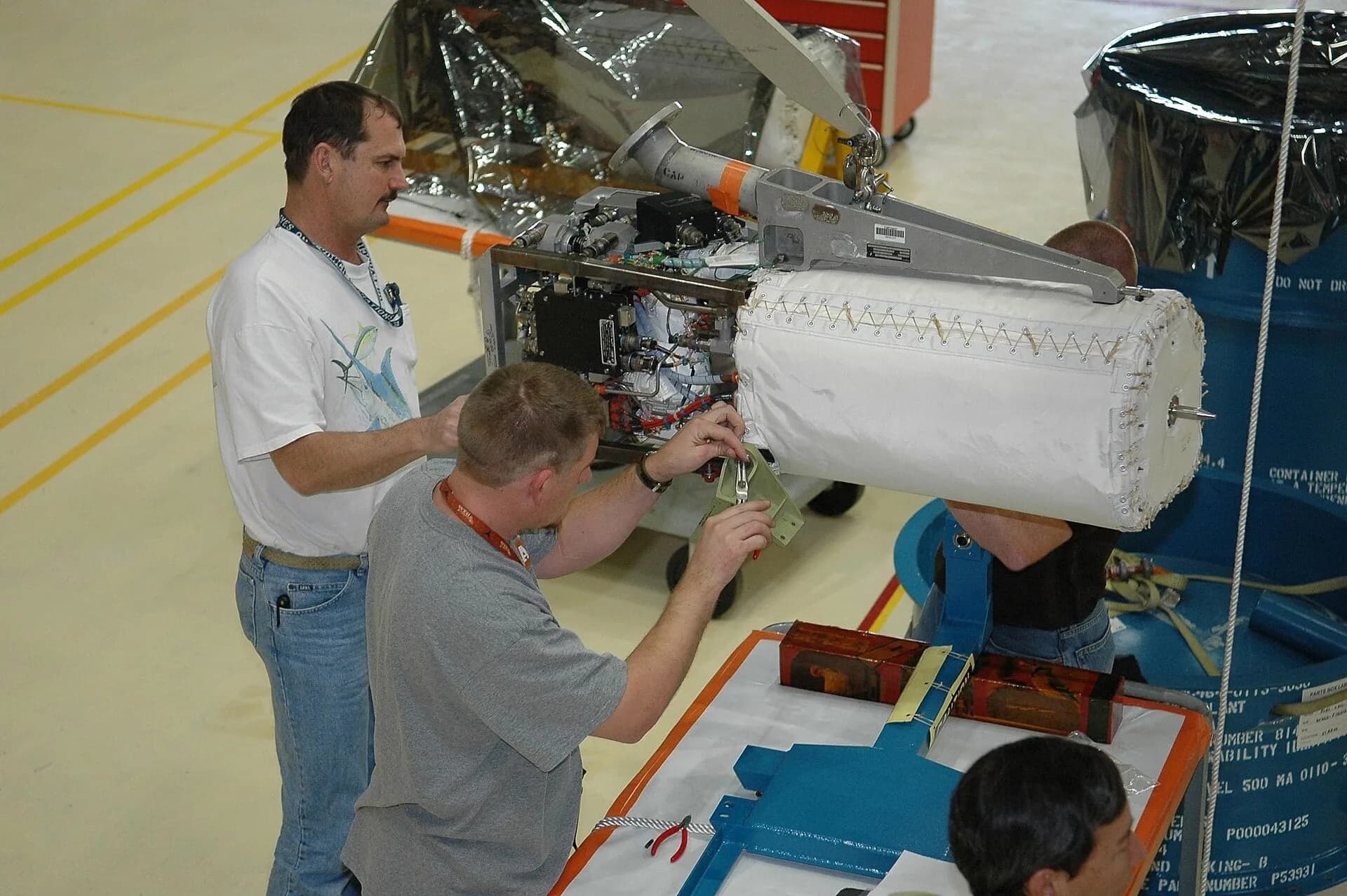
- Converting the train: in April 2022, Medha Servo Drives won a ₹70 crore contract to retrofit a 10-coach DEMU (a diesel-electric multiple unit) with the hydrogen fuel-cell system, using fuel cells from Canada's Ballard Power Systems.
- The hydrogen plant at Jind: a 1 MW green hydrogen production plant, which splits water using electricity, plus equipment to compress, store and dispense hydrogen into the train.
Why hydrogen, when India is electrifying?
India has electrified almost all of its roughly 70,000 km broad-gauge network, so most trains can simply run on overhead electric lines. Hydrogen makes sense mainly where wires are difficult, expensive or unwelcome:
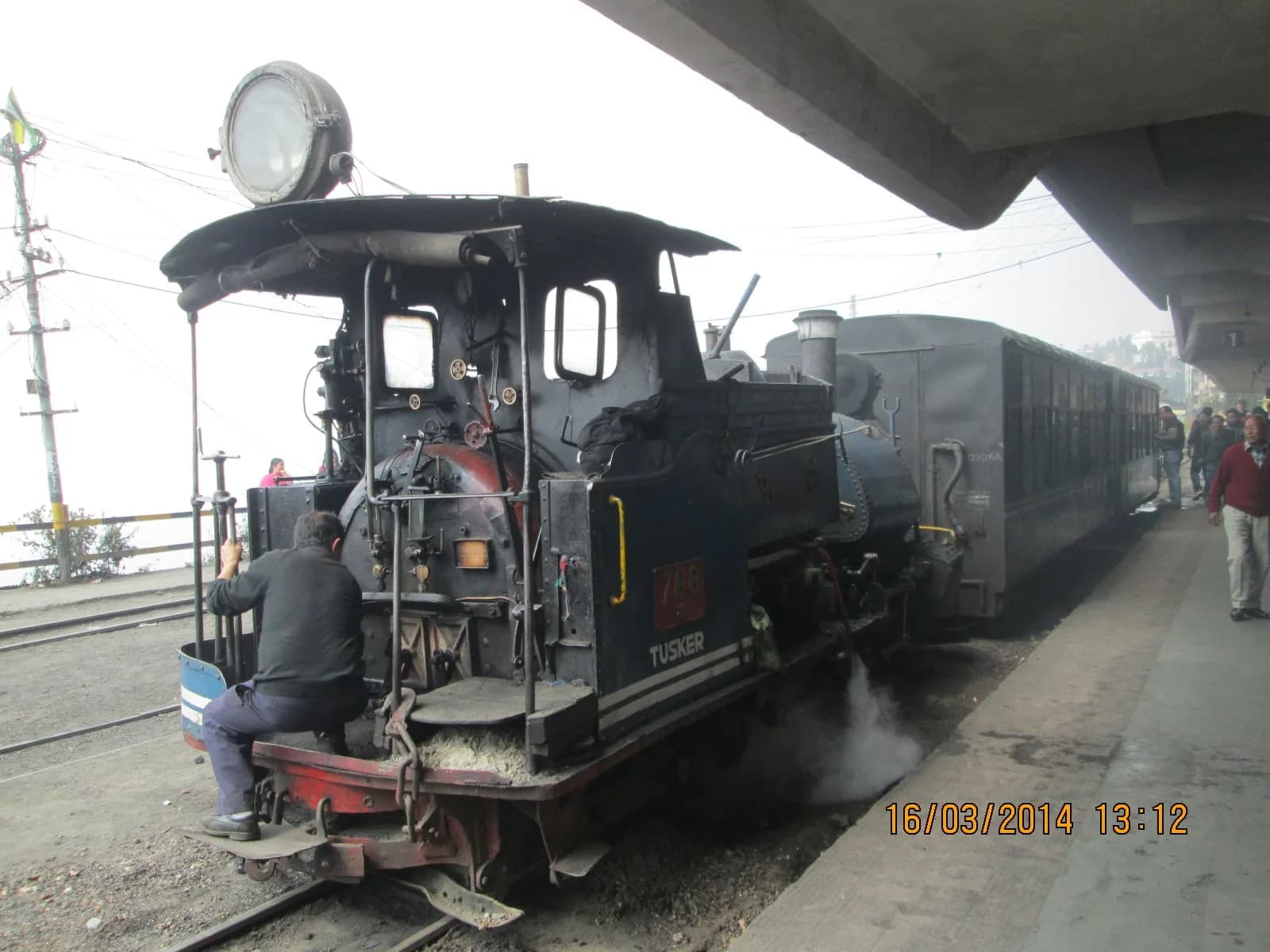
- Heritage and hill railways, such as the Darjeeling Himalayan Railway, Nilgiri Mountain Railway and Kalka-Shimla line, where overhead wires would spoil the landscape or are hard to install;
- Remote branch lines with few trains, where electrification may not pay off;
- Replacing old diesel units in sensitive areas.
That is why the government calls its plan "Hydrogen for Heritage". Railway Board projections put each train at about ₹80 crore, plus about ₹70 crore per route for hydrogen production and refuelling.
The honest pros and cons
The advantages:
- Zero tailpipe emissions, with only water vapour released.
- Quieter than diesel trains.
- No overhead wires needed.
- Builds Indian know-how in green hydrogen, part of the National Green Hydrogen Mission.
The challenges:
- Cost: hydrogen trains are much more expensive to build and run than diesel or electric trains today. Officials expect costs to fall as manufacturing grows.
- Imported parts: key fuel-cell components still come from abroad.
- Energy efficiency: making hydrogen from electricity and turning it back into electricity loses a lot of energy. A train running directly on overhead wires is far more efficient.
- Green or not? Hydrogen is only clean if it is made with renewable electricity. Most hydrogen in the world today is "grey", made from natural gas, which releases carbon dioxide.
Green, grey and blue hydrogen
Hydrogen itself is colourless, but it is often labelled by how it is made:
- Green hydrogen: made by splitting water with renewable electricity, such as solar or wind. Almost no emissions.
- Grey hydrogen: made from natural gas, releasing carbon dioxide. This is the most common type today.
- Blue hydrogen: grey hydrogen where the carbon dioxide is captured and stored.
For a hydrogen train to be truly clean, it must run on green hydrogen.
How India compares
Several countries run hydrogen trains, including Germany, which launched the world's first hydrogen passenger fleet in 2022, as well as China, Japan and the United States. Some German operators have since found battery-electric trains cheaper for certain routes, a reminder that hydrogen is one option among several.
What to watch
- Reliability of the Jind-Sonipat service through its first winter;
- Orders for the first heritage-route hydrogen trains;
- Cost of green hydrogen in India, which will decide whether the trains become affordable;
- the Railways' goal of becoming a net-zero carbon emitter by 2030.
Related reading
Sources
This article draws on the following reporting. Dates are when each source was originally published.
- Al Jazeera: India debuts hydrogen-powered train as part of sustainability drive
- Outlook Business: ₹112 crore for one train? The price tag behind India's first hydrogen rail project
- India.com: India's first hydrogen-powered train: key features, halts, routes on the Jind-Sonipat section
- Business Today: India's first hydrogen train launched: everything you need to know
Written by
Stories, explainers and features published by The Daily, based on public sources that are listed with every article.
More from The Daily →Enjoyed this story?
Get the best of The Daily in your inbox every Sunday.