Skyroot's Vikram-1: How India's First Private Rocket Reached Orbit, and What Comes Next for the Space Startup Boom
The Hyderabad startup's carbon-fibre rocket reached orbit on its first try in July, and Skyroot is now a unicorn. A plain guide to the rocket, why it matters and what India's private space sector plans next.
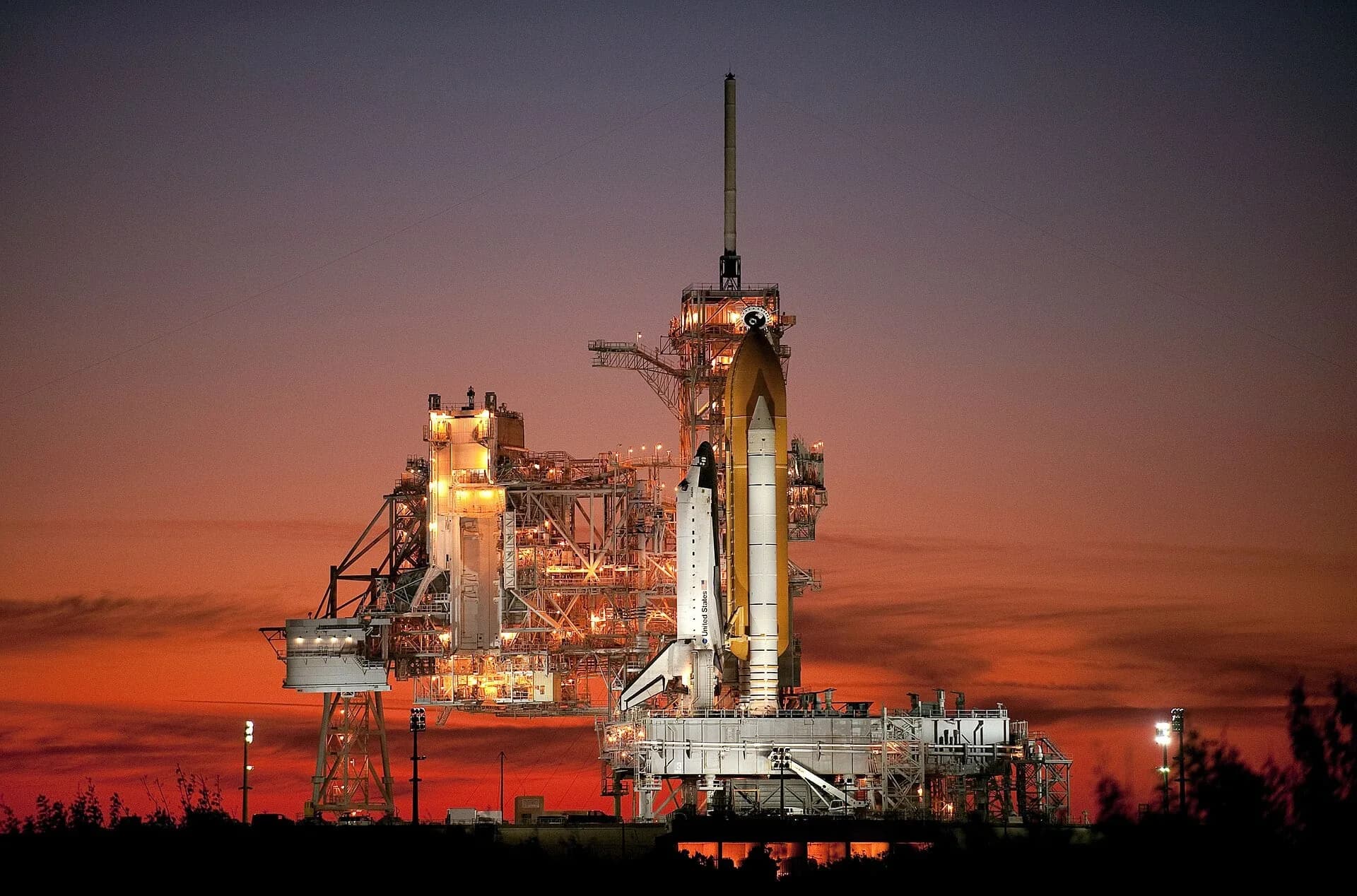
On July 18, 2026, a slim carbon-fibre rocket lifted off from Sriharikota and made history. Vikram-1, built by Hyderabad startup Skyroot Aerospace, reached orbit on its very first attempt, the first time a rocket developed by an Indian private company had done so.
Three months later, Skyroot is a unicorn, its next rocket is in the works, and India's private space industry is growing fast. Here is what the launch achieved, and what comes next.
Quick answer
- What: Vikram-1, a four-stage small rocket built by Skyroot Aerospace, named after ISRO founder Vikram Sarabhai.
- When: first flight, called "Aagaman", on July 18, 2026, from the Satish Dhawan Space Centre.
- Result: reached low Earth orbit on its first try, carrying small Indian and German payloads.
- Why it matters: India joined the US and China as countries where a domestic private company has reached orbit, according to IEEE Spectrum.
- Next: a more powerful Vikram-1U version is listed for no earlier than early 2027.
The rocket
According to published specifications, Vikram-1 is a four-stage rocket:
- Three solid-fuel stages, called Kalam-1200, Kalam-250 and Kalam-100, named after former President A.P.J. Abdul Kalam. The first stage produces up to about 1,000 kilonewtons of thrust.
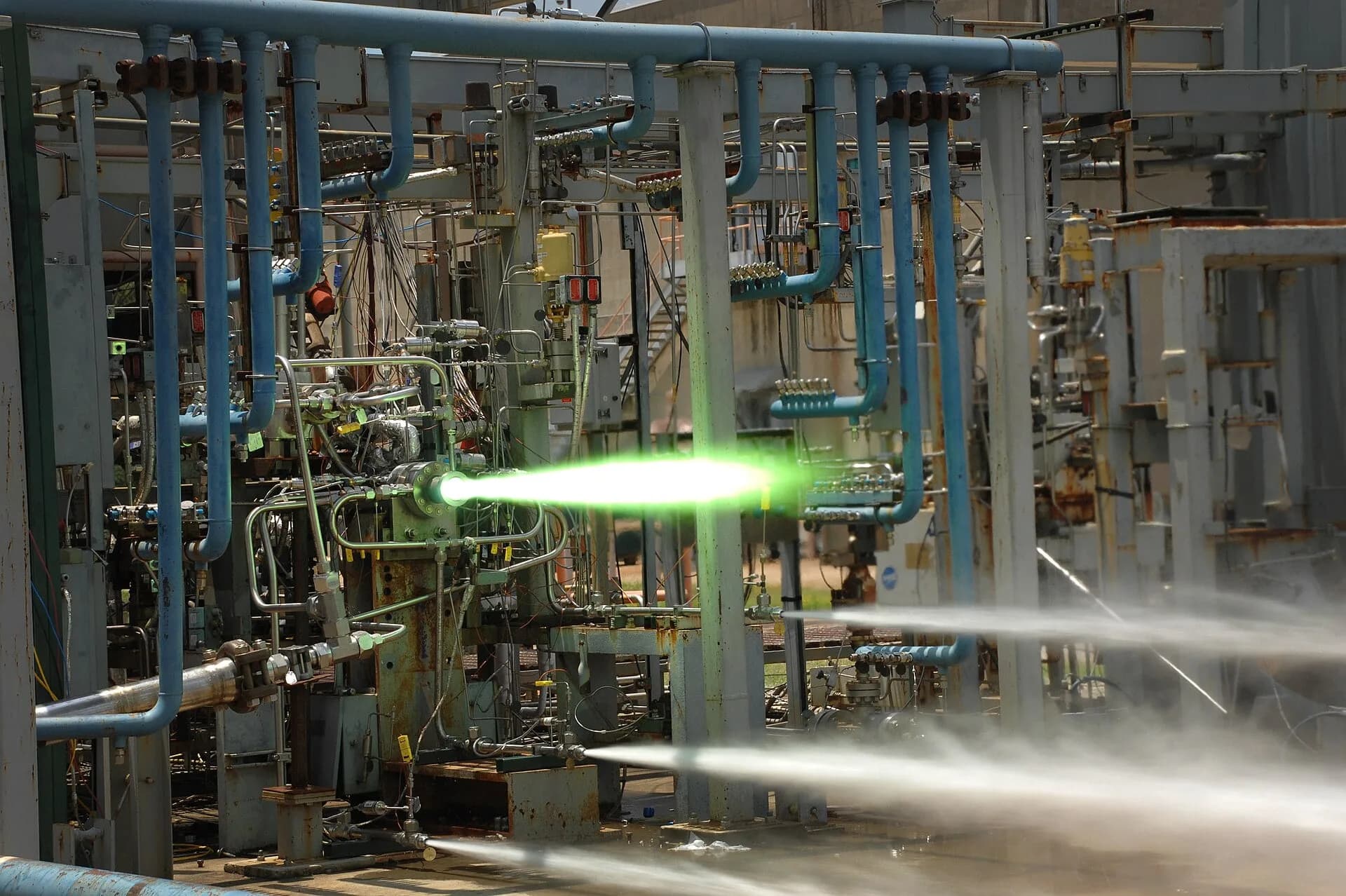
- A liquid-fuel upper stage with small Raman engines, named after Nobel physicist C.V. Raman, which places satellites precisely in orbit. Skyroot says these engines are 3D-printed.
- An airframe made of carbon composite, which is lighter than metal and allows more payload.
It can carry about 350 kg to a 500-km low Earth orbit, or about 260 kg to a sun-synchronous orbit, enough for many small satellites.
What it carried
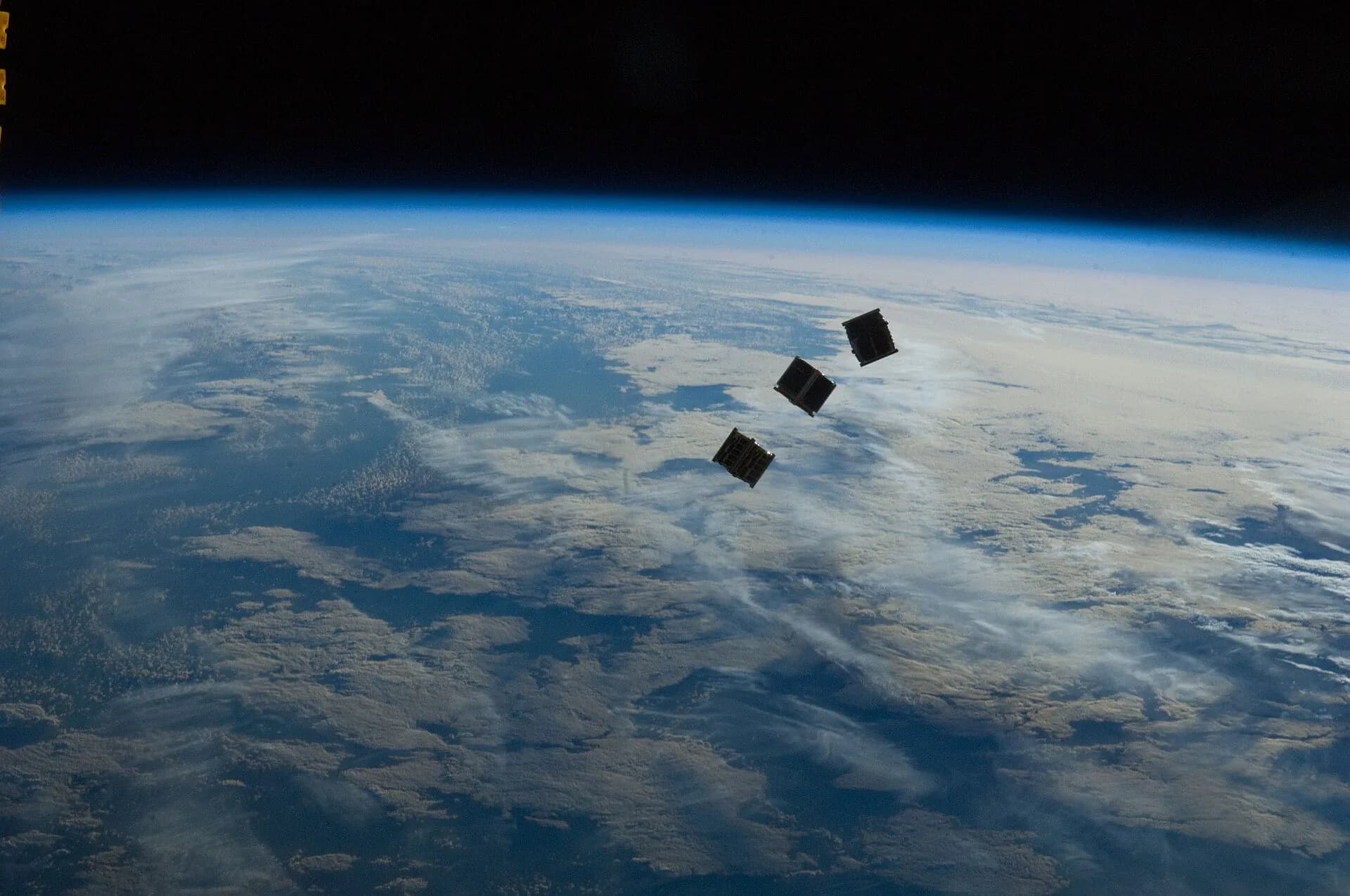
The test flight carried several small payloads, including experiments from Indian startups, a robotic arm demonstration from space-tech company Cosmoserve, and technology tests from German company DCUBED, which were hosted on the rocket's upper stage. Skyroot called Aagaman a test flight, and said more test flights will come before regular commercial launches.
Why small rockets matter
Most satellites launched today are small: Earth-observation satellites, communication satellites for internet constellations, and university or startup satellites. They usually hitch a ride as "rideshare" passengers on big rockets, which means waiting for a slot and accepting the orbit the main customer chooses.
A small launcher like Vikram-1 offers:
- Dedicated rides to exactly the orbit a customer needs;
- Faster scheduling, with launches planned in weeks rather than months or years;
- Lower cost for small customers.
The global market for small-satellite launches is growing rapidly, and Indian companies hope to compete on cost and reliability.
How Skyroot got here
- Skyroot was founded in 2018 by former ISRO scientists Pawan Kumar Chandana and Naga Bharath Daka.
- In November 2022, its suborbital rocket Vikram-S became the first private Indian rocket launched from ISRO's facilities.
- It unveiled Vikram-1 in October 2023, and opened its Infinity Campus rocket factory in Hyderabad in November 2025.
- After the orbital launch, reports say Skyroot raised about $60 million at a $1.1 billion valuation, becoming India's first space-sector unicorn.
None of this would have been possible without the 2020 space reforms, which opened the sector to private companies and set up IN-SPACe, the regulator that authorises private launches and lets companies use ISRO facilities.
India's growing space startup scene
According to figures cited by IEEE Spectrum, India now has nearly 400 space startups, and the government estimates the space economy at about $8.4 billion. Other players include Agnikul Cosmos, which flew a 3D-printed engine rocket on a suborbital test in 2024, satellite makers such as Pixxel and Dhruva Space, and ground-station and data companies.

What to watch next
- Vikram-1U: a version with extra boosters, listed for no earlier than the first quarter of 2027.
- Commercial customers: the first paying satellite launches after the test-flight phase.
- Launch rate: how often Skyroot can fly, which will decide whether it can compete globally.
- A private launch pad: Indian startups want more launch infrastructure of their own beyond ISRO's Sriharikota pads.
There are also debates about what role ISRO itself should play as private companies take over more launch work; read about ISRO employees' concerns on privatisation.
Related reading
Sources
This article draws on the following reporting. Dates are when each source was originally published.
- Wikipedia: Vikram-I
- IEEE Spectrum: Skyroot Aerospace's Vikram-1 ignites India's ascent
- Analytics India Magazine: Skyroot inaugurates its Infinity Campus as Vikram-1 moves toward 2026 launch
Written by
Stories, explainers and features published by The Daily, based on public sources that are listed with every article.
More from The Daily →Enjoyed this story?
Get the best of The Daily in your inbox every Sunday.