Space Technology Today: Satellite Internet, Reusable Rockets and India's SpaDeX Docking Milestone
India docked two satellites in orbit in January 2025, becoming the fourth country to do so. Meanwhile, satellite broadband is waiting for clearances and Gaganyaan keeps moving.

When ISRO's two SpaDeX satellites linked up in orbit on January 16, 2025, it was not just a technical feat, but a prerequisite for India's future space station. A few years ago, such a milestone would have drawn little public notice outside space circles. Today it sits among several shifts that are changing what space can do for ordinary people.
Docking: a skill India now has
SpaDeX was launched on December 30, 2024, carrying two small satellites. After postponed attempts on January 7 and 9, they were docked on January 16, making India the fourth country, after the United States, Russia and China, to achieve in-orbit docking. ISRO then undocked them on March 13, 2025, demonstrating the full cycle of rendezvous, docking and separation.
Why it matters: docking is needed to assemble a space station in orbit, refuel or service satellites, and carry out missions to the Moon that require several spacecraft to meet. It underpins India's plans for the Bharatiya Antariksh Station and future lunar missions.
Gaganyaan: still ahead
India's first human spaceflight programme, Gaganyaan, has been delayed more than once. According to ISRO's chairman in late January 2026, the first uncrewed test flight, which will carry a humanoid robot called Vyommitra, was about 90% complete and more than 8,000 ground tests had been done, with a crewed flight targeted for 2027. These are targets, and the schedule has slipped before. As of our latest sources, the uncrewed mission has not flown.
Satellite internet
Constellations of hundreds or thousands of small satellites in low orbit can provide broadband to places where cables and towers are costly to build, such as islands, mountains and remote villages. Companies like Starlink and Amazon's Kuiper project operate or plan such networks.
In India, Starlink has held a satellite communications licence since June 2025 but still awaits spectrum assignment and final security clearances for its gateways, so it cannot sell service. Our explainer covers why.
Reusable rockets
Traditionally, rockets were thrown away after one flight, like a jet that crashed into the sea after each trip. Companies such as SpaceX have shown that boosters can land and fly again, which cuts costs and allows more frequent launches. India's ISRO has been testing reusable-launch technologies, but operational reusable rockets from India have not yet entered service.
Earth observation and science
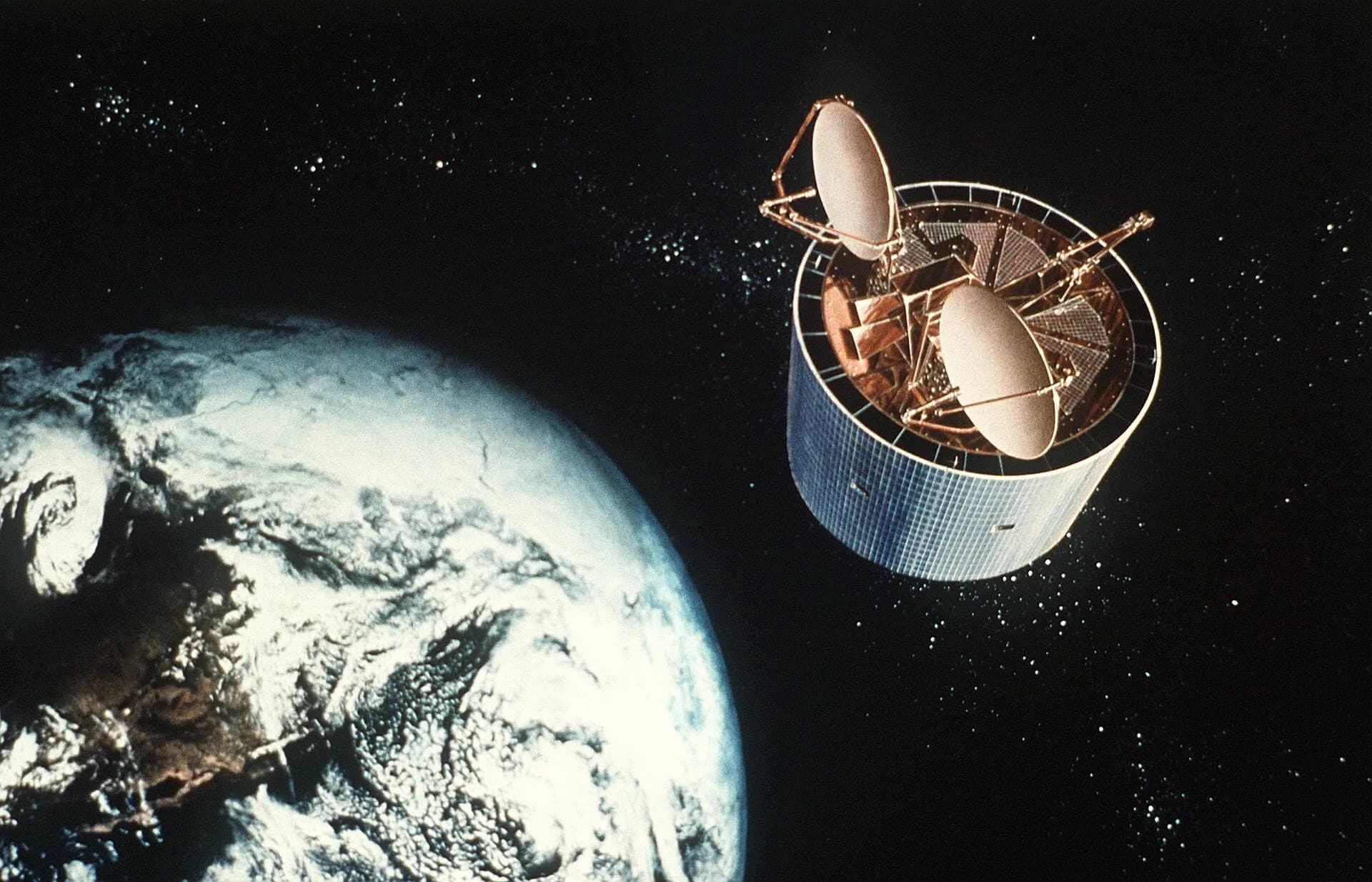
Satellites that photograph Earth help in crop monitoring, flood mapping and weather forecasting. Private Indian start-ups have begun building and launching small satellites, helped by recent policy changes that opened the sector.
Achieved versus planned
It helps to separate what has been done from what is promised:
- Achieved: SpaDeX docking (January 2025) and undocking (March 2025).
- Planned: the uncrewed Gaganyaan test flight, a crewed Gaganyaan mission targeted for 2027, and the Bharatiya Antariksh Station.
- Awaiting clearances: Starlink's commercial service in India.
What this means for you
- Satellite broadband may eventually help rural connectivity, but price and regulation will determine how widely.
- Weather forecasts and disaster warnings already depend on satellites.
- The big headlines, such as astronauts and space stations, are still ahead, so treat announced dates as targets.
For related science, see how AI is changing scientific discovery.
Sources
This article draws on the following reporting. Dates are when each source was originally published.

Written by
Newsroom
Reporting, explainers and analysis from The Daily’s editorial desk, based on verified public sources that are listed with every story.
More from The Daily Desk →Enjoyed this story?
Get the best of The Daily in your inbox every Sunday.