Smart Glasses and Spatial Computing: Are We Moving Beyond Smartphones?
Meta and EssilorLuxottica sold more than seven million smart glasses in 2025, while Apple's $3,499 Vision Pro headset struggled. What the numbers say about where wearables are heading.
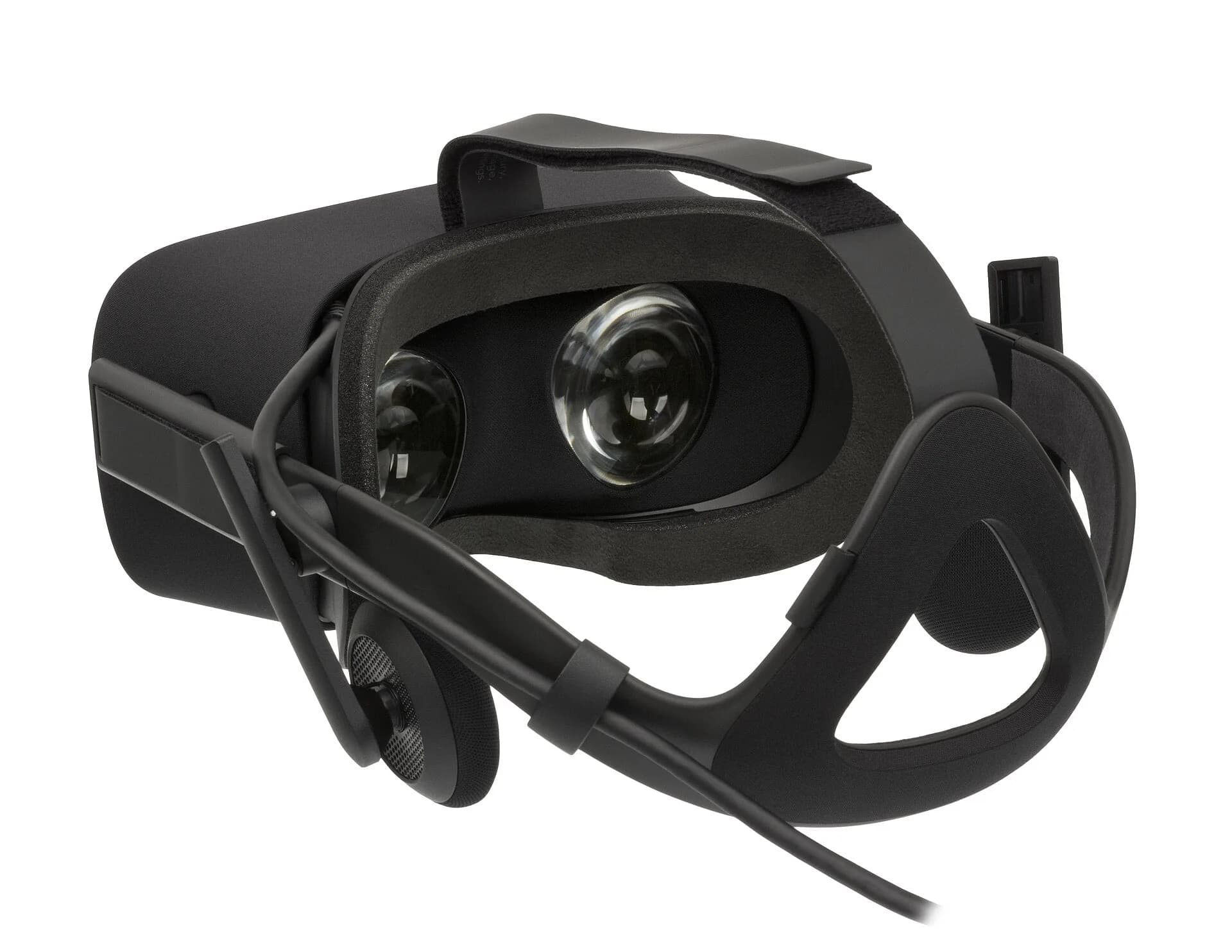
In February 2024, crowds queued at Apple stores for the Vision Pro, a $3,499 headset that Apple said would begin the era of "spatial computing". Less than two years later, the products actually flying off shelves are not headsets at all. They are ordinary-looking glasses with a camera, speakers and an AI assistant built in.
What these terms mean
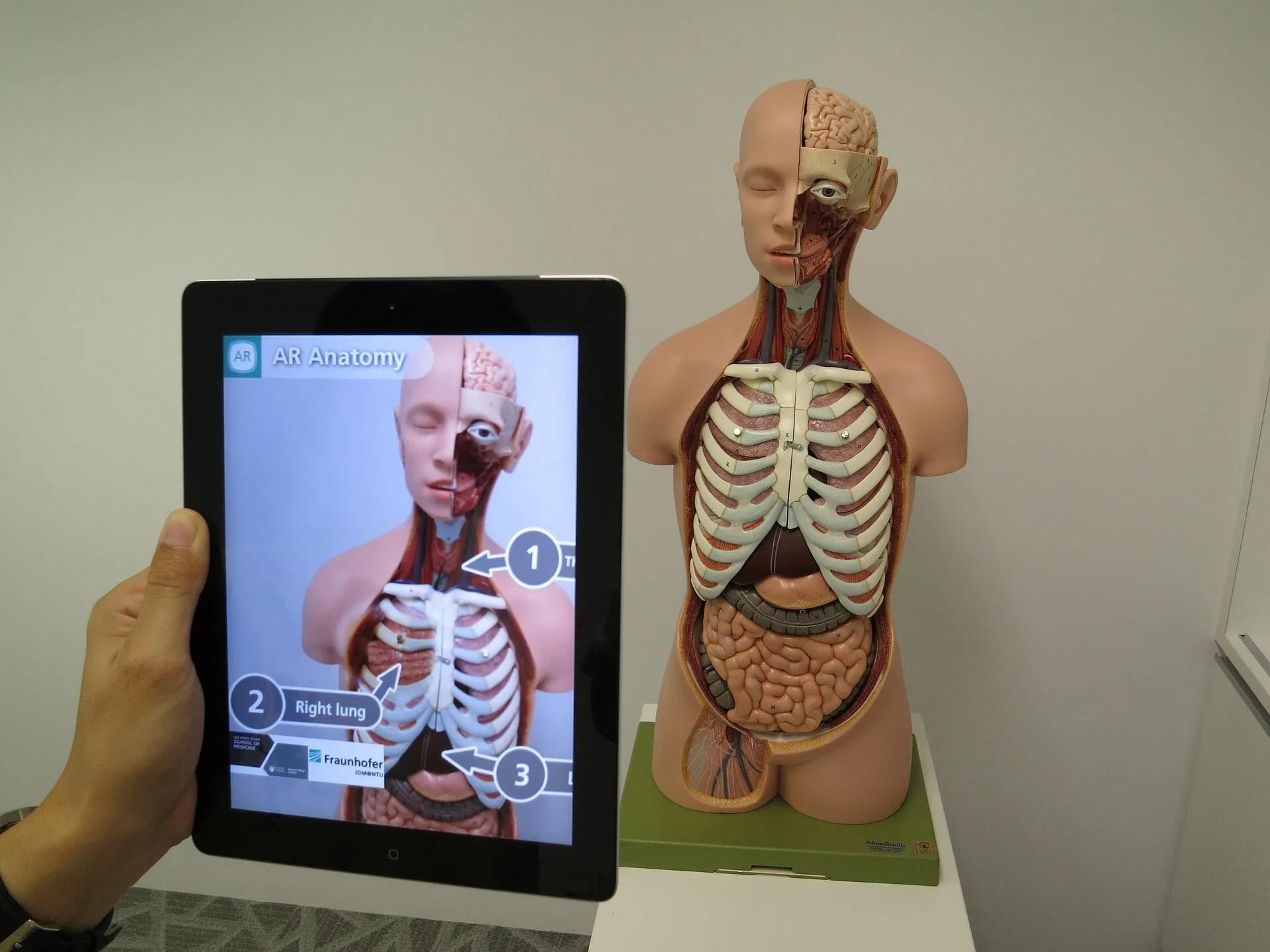
- Augmented reality (AR): digital information, such as arrows, text or objects, overlaid on the real world you see.
- Virtual reality (VR): a fully computer-generated world that replaces your surroundings.
- Spatial computing: the umbrella idea of computers that understand the space around you and place digital content in it, so a screen can be a window pinned to your wall.
- Smart glasses: wearable glasses ranging from simple ones (camera, microphone, speakers) to those with a small built-in display.
What is actually selling
Meta and eyewear maker EssilorLuxottica reported selling more than 7 million Ray-Ban and Oakley smart glasses in 2025, more than triple the previous year's figure, according to the companies' results as reported by technology outlets. The glasses mostly look like regular sunglasses and can take photos, play music, make calls and answer questions through an AI assistant.
In late 2025, Meta added the Ray-Ban Display, priced at $799, with a small screen in the right lens and a wristband that reads muscle signals for gesture controls. It launched in a limited number of US stores, and Meta delayed its international rollout because of unusually strong demand.
Apple's Vision Pro, by comparison, sold in far smaller numbers. Estimates vary: one early figure suggested around 180,000 units in the pre-order period, and another suggested no more than about half a million in total. Its price, weight and battery life limited who would buy it.
Why glasses may win first
Glasses are light, socially acceptable, and cost a fraction of a headset. They also work on a simple idea: an AI assistant that can see and hear what you do, answer "what is this monument?" or translate a menu without taking out your phone.
What stands in the way
- Battery life: a display and constant sensing drain a tiny battery quickly.
- Comfort and style: devices must be light and look normal.
- Price: display glasses remain far costlier than ordinary spectacles.
- Privacy: cameras on people's faces raise obvious concerns for bystanders. Recording indicators exist, but not everyone notices them.
- Apps and habits: a phone does so many things that replacing it needs a lot of software and trust.
Will it replace smartphones?
Probably not soon. The likelier pattern is that glasses become a companion, handling quick tasks like navigation, translation and photos, while the phone remains the hub. Several companies, including Google and Apple, are reported to be preparing glasses of their own, but those plans are not yet confirmed products.
What this means for you
- In India, prices and availability matter: today's leading models are mainly sold abroad or in limited numbers.
- Before buying, check privacy settings, where data are stored, and local rules on recording in public places.
- Expect AI to be the real attraction. The hardware is simply the way to put an assistant in front of your eyes.
For where AI assistants are heading, read AI agents explained.
Sources
This article draws on the following reporting. Dates are when each source was originally published.
- UploadVR: Meta and EssilorLuxottica sold 7 million smart glasses in 2025
- Road to VR: Meta Sold Over 7 Million Smart Glasses Last Year, Effectively Tripling Sales in 2025 Alone
- Gulf News: Look: Apple fans line up for Vision Pro headset as 'spatial computing' era begins
- HotHardware: Go Figure, Apple's Super Pricey Vision Pro Headset Fails To Sell Out At Launch

Written by
Newsroom
Reporting, explainers and analysis from The Daily’s editorial desk, based on verified public sources that are listed with every story.
More from The Daily Desk →Enjoyed this story?
Get the best of The Daily in your inbox every Sunday.