Chhath Puja 2026: Dates of Nahay Khay, Kharna and the Two Arghyas, and Why the Festival Matters
The four-day festival to the Sun runs from November 13 to 16, with the evening arghya on Sunday, November 15. A simple guide to the rituals, the prasad and travel planning.
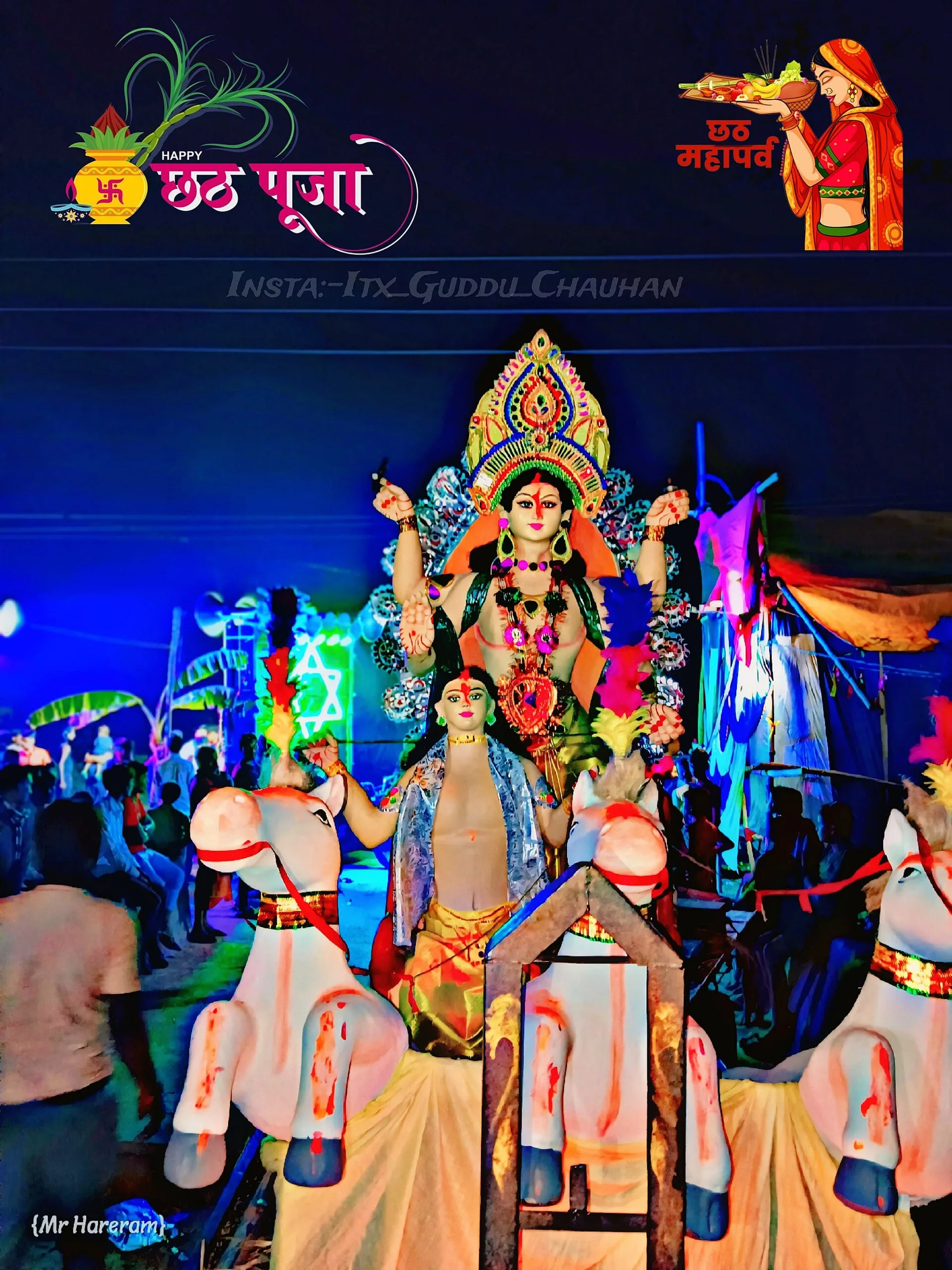
Six days after Diwali, millions of people in Bihar, Jharkhand, eastern Uttar Pradesh and Nepal's Terai, and in migrant communities from Delhi to Mumbai, gather at rivers and ponds to pray to the Sun. Chhath Puja is one of India's oldest festivals, and one of its most demanding: devotees fast for about 36 hours, much of it without water.
In 2026, Chhath runs from Friday, November 13 to Monday, November 16.
Quick answer
- Day 1, Nahay Khay: Friday, November 13
- Day 2, Kharna: Saturday, November 14
- Day 3, Sandhya Arghya (evening offering): Sunday, November 15
- Day 4, Usha Arghya (morning offering) and Paran: Monday, November 16
- Who is worshipped: Surya, the Sun god, and Chhathi Maiya, believed to protect children and families.
Exact sunrise and sunset times vary by city, so check with your local ghat committee or panchang.
Why Chhath is special
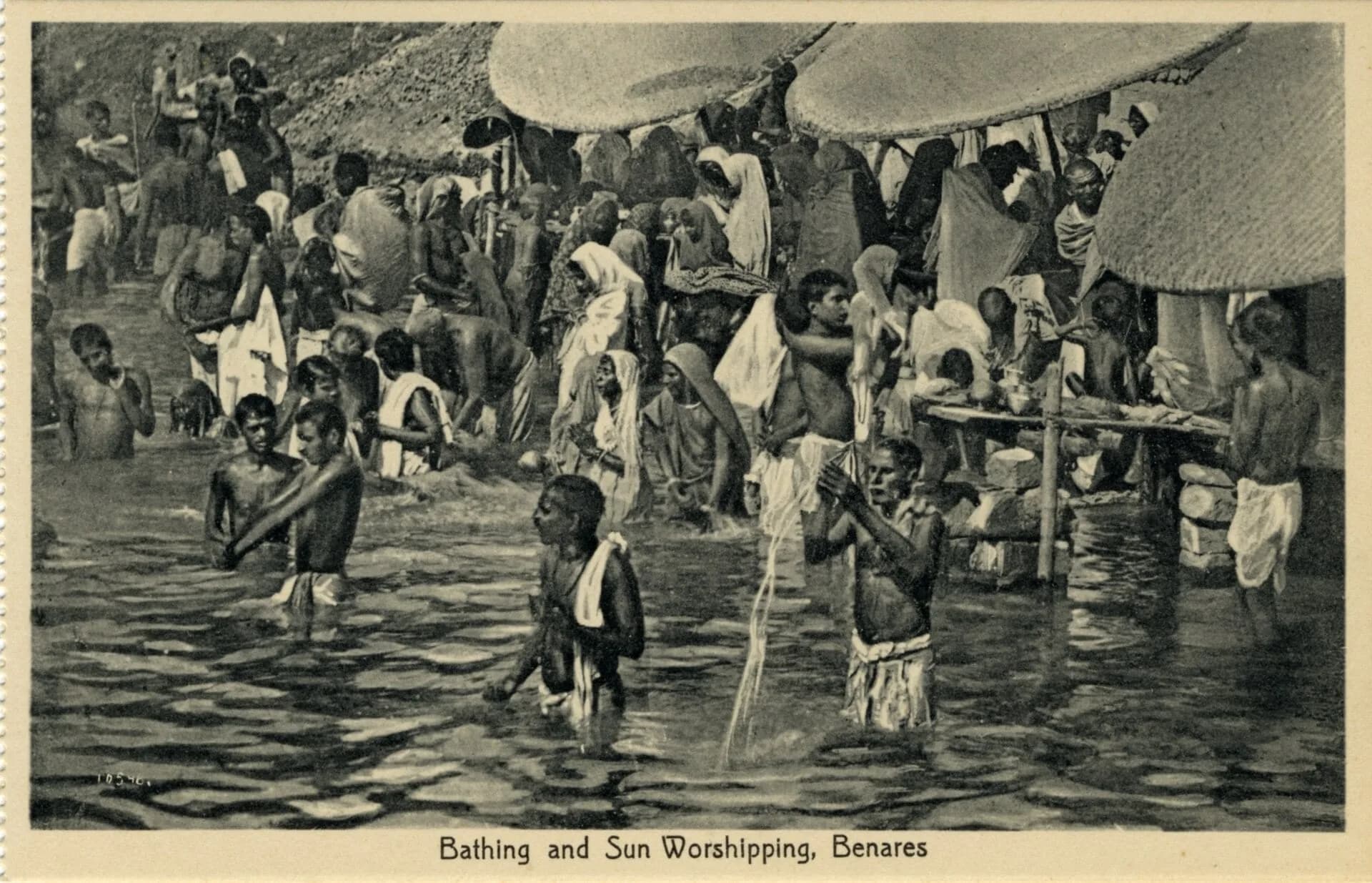
Chhath is one of the few Hindu festivals that worships the setting sun as well as the rising sun. Devotees, called vratis, thank the Sun for sustaining life and pray for the health and prosperity of their families, especially children.
There are no idols and often no priest. The rituals are carried out by the devotees themselves, very often women, with the whole family helping. That simplicity, the shared work and the sight of thousands of people standing in water at sunset give Chhath a special emotional power for people from the region.
The four days, step by step
Day 1: Nahay Khay (November 13). "Nahay khay" means "bathe and eat". Devotees take a holy dip, ideally in a river, clean the house thoroughly and eat one simple, satvik meal, traditionally rice, chana dal and lauki (bottle gourd) cooked without onion or garlic.
Day 2: Kharna (November 14). Devotees fast through the day. In the evening, after worship, they eat kheer made with jaggery, rotis and fruit, which is also shared as prasad with family and neighbours. After this meal, the main 36-hour fast begins, usually without even water.
Day 3: Sandhya Arghya (November 15). In the afternoon, families carry bamboo baskets (soop and daura) to the ghat, filled with fruits, sugarcane, coconut and the special sweet thekua. Standing in water at sunset, devotees offer arghya (water or milk) to the setting sun as folk songs are sung. Some families also light a canopy of lamps called kosi at home that night.
Day 4: Usha Arghya and Paran (November 16). Before dawn, families return to the ghat and wait in the water for sunrise. After the offering to the rising sun, the vratis break their fast (paran) with prasad, ginger and water.
The prasad
The offerings are simple and seasonal:
- Thekua, a crunchy sweet made of wheat flour, jaggery and ghee, sometimes with coconut;
- Sugarcane, often used to build a small canopy at the ghat;
- Seasonal fruits such as bananas, citrus, water chestnuts (singhara) and coconut;
- Rice laddoos and kheer with jaggery.
Everything is made in clean conditions, often on a new or separate stove, and no onion or garlic is used.
Travelling home for Chhath
Chhath is one of the busiest travel periods on Indian Railways, as workers head home to Bihar and Uttar Pradesh. Railways has announced more than 100 festival special services for Durga Puja, Diwali and Chhath in 2026, including trains from Delhi stations to Patna, Darbhanga, Muzaffarpur and other cities.
- Book early: reservations open up to 60 days before the journey date on the IRCTC website and app.
- Check for specials: look for festival special trains and extra coaches on regular trains.
- Beware of touts and fake booking sites. Book only through IRCTC or authorised agents.
Tips for devotees and families
- Health first: the 36-hour waterless fast is hard. Elderly people, pregnant women and people with diabetes, heart or kidney conditions should speak to a doctor first. Many families allow a modified fast.
- Water safety: follow the ghat administration's instructions, stay within barricades and watch children closely near water.
- Keep ghats clean: carry back plastic and leftover material, and use eco-friendly items.
- Delhi and other cities: many cities set up artificial ponds and designated ghats for Chhath. Check your local administration's notices, as rules about river ghats can change.
Related reading
Sources
This article draws on the following reporting. Dates are when each source was originally published.
Written by
Stories, explainers and features published by The Daily, based on public sources that are listed with every article.
More from The Daily →Enjoyed this story?
Get the best of The Daily in your inbox every Sunday.