Diwali 2026: All Five Days, Lakshmi Puja Muhurat and What Each Day Means
Diwali falls on Sunday, November 8. A day-by-day guide from Dhanteras to Bhai Dooj, with puja timings for major cities and how the festival is celebrated across India.
Diwali, the festival of lights, falls on Sunday, November 8, 2026. It is much more than one day: the celebrations stretch across five days, from Dhanteras to Bhai Dooj, each with its own meaning and rituals.
Here is a simple day-by-day guide, with Lakshmi Puja timings for major cities.
Quick answer
- Dhanteras: Friday, November 6
- Choti Diwali (Naraka Chaturdashi): Saturday, November 7 in most calendars (some list November 8)
- Diwali (Lakshmi Puja): Sunday, November 8
- Govardhan Puja: November 9 or 10, depending on your calendar
- Bhai Dooj: November 10 or 11, depending on your calendar
- Lakshmi Puja muhurat in Delhi: about 5:32 pm to 7:28 pm, according to SmartPuja
Day 1: Dhanteras (Friday, November 6)
Dhanteras begins the festival. It honours Dhanvantari, the god of medicine, and Lakshmi, the goddess of wealth. Buying gold, silver, utensils or a new item for the home on this day is considered lucky. Homes are cleaned, and the first lamps are lit at the doorway in the evening.
If you plan to buy gold, read our Dhanteras 2026 gold buying guide.
Day 2: Choti Diwali or Naraka Chaturdashi (Saturday, November 7)
This day marks Krishna's victory over the demon Narakasura. In many homes, people wake before dawn for an oil bath (abhyanga snan), and a lamp is lit for Yama, the god of death, for the family's protection. In South India, this is the main day of Deepavali, celebrated with early-morning baths, new clothes and fireworks.
Some calendars list Naraka Chaturdashi on November 8 this year, so check your local panchang.
Day 3: Diwali and Lakshmi Puja (Sunday, November 8)
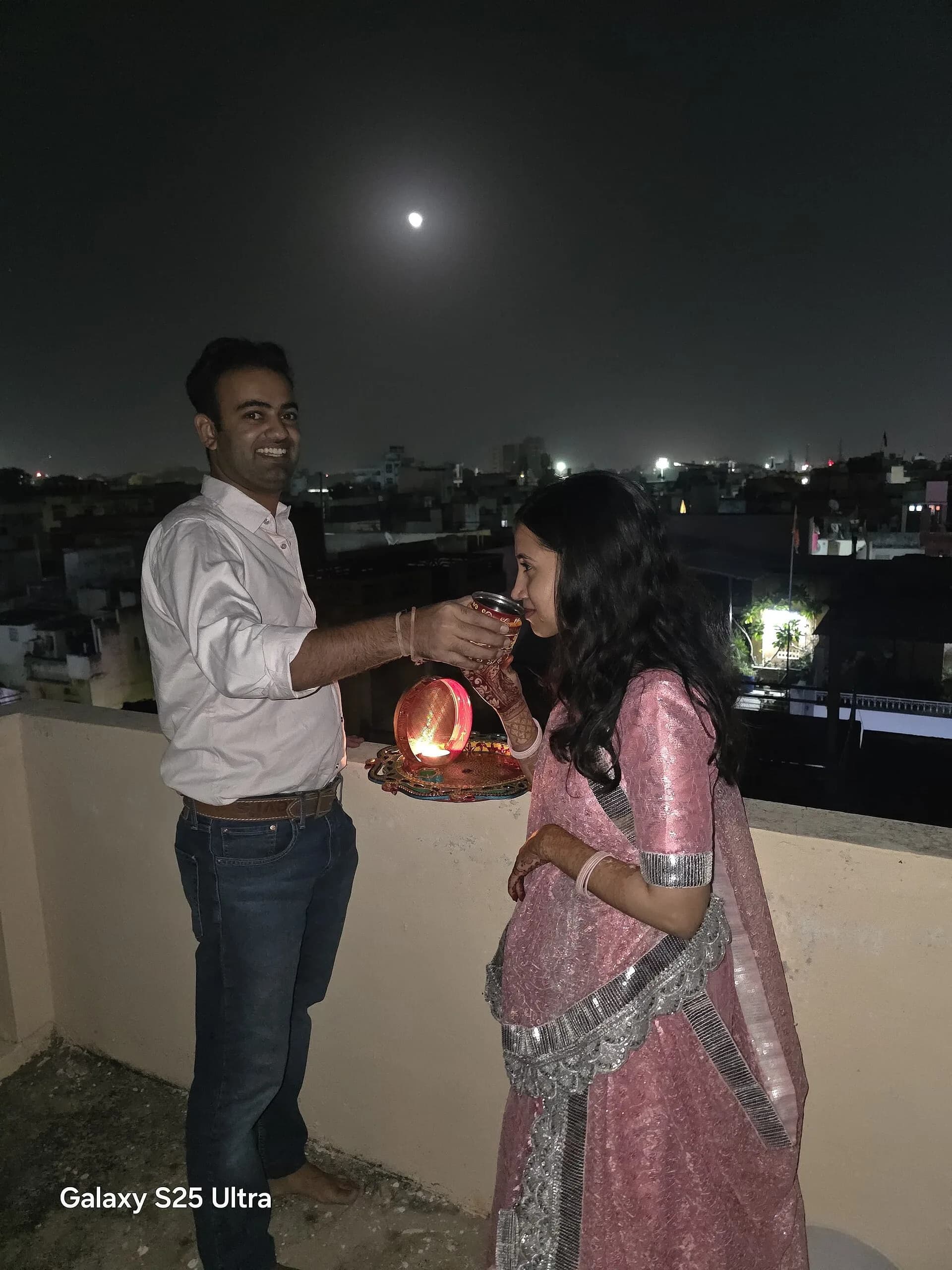
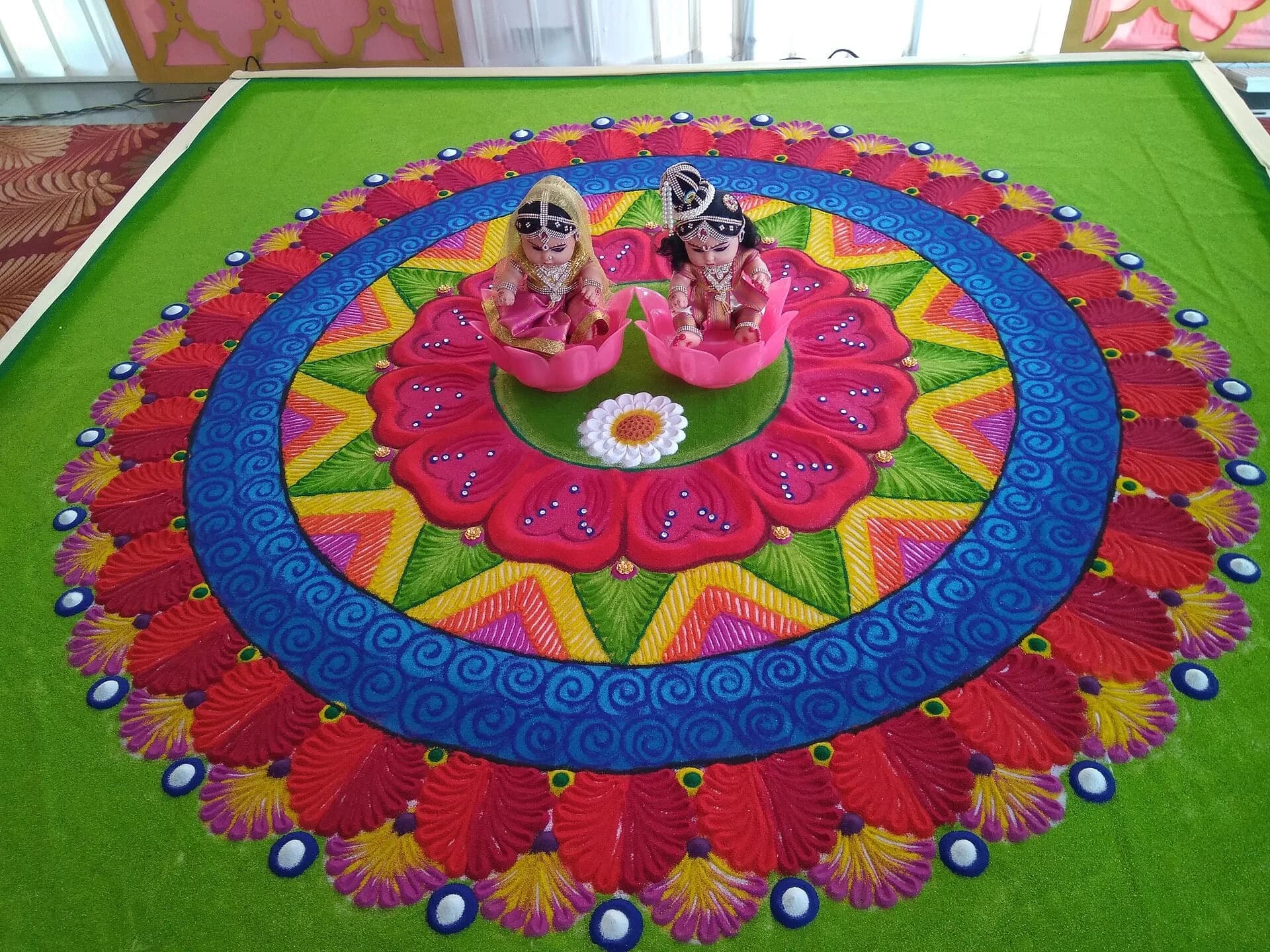
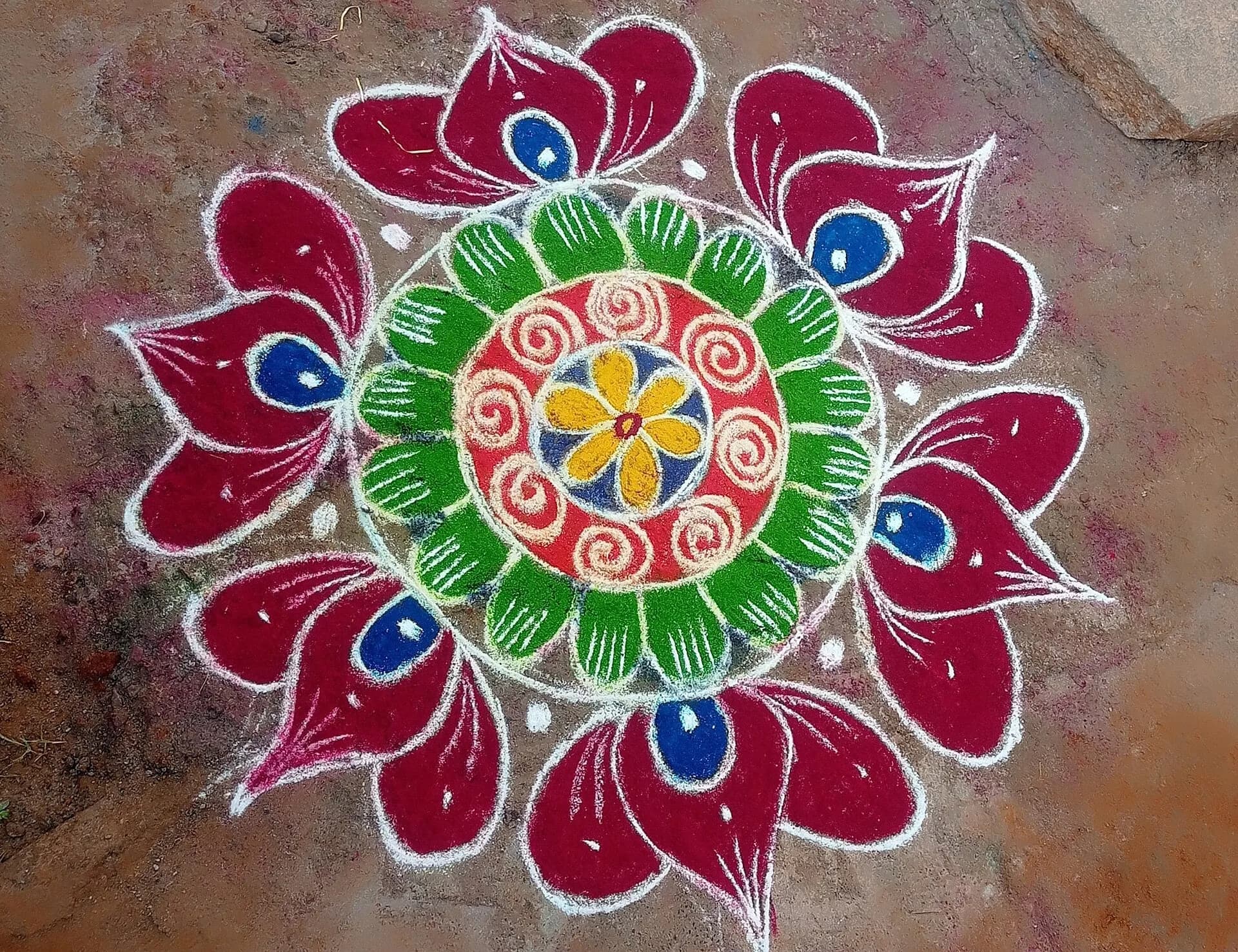
The main day falls on Amavasya, the new moon of the month of Kartik. In North India, it celebrates Ram's return to Ayodhya after 14 years of exile and his victory over Ravan. People light diyas, draw rangoli, and perform Lakshmi Puja in the evening, along with Ganesh, to welcome prosperity.
According to SmartPuja, the Amavasya tithi runs from 12:08 am to 9:47 pm on November 8. Its suggested Lakshmi Puja muhurat for major cities:
- New Delhi: 5:32 pm to 7:28 pm
- Mumbai: 6:05 pm to 8:04 pm
- Kolkata: 4:58 pm to 6:55 pm
- Bengaluru: 5:58 pm to 7:55 pm
- Chennai: 5:48 pm to 7:46 pm
- Hyderabad: 5:48 pm to 7:47 pm
- Pune: 6:02 pm to 8:01 pm
Different panchangs calculate slightly different windows, sometimes by up to an hour, so follow your family priest or local panchang if they differ.
In Bengal, Odisha and Assam, the same night is Kali Puja, dedicated to Goddess Kali, with all-night worship and lamps.
Day 4: Govardhan Puja and Annakut (November 9 or 10)
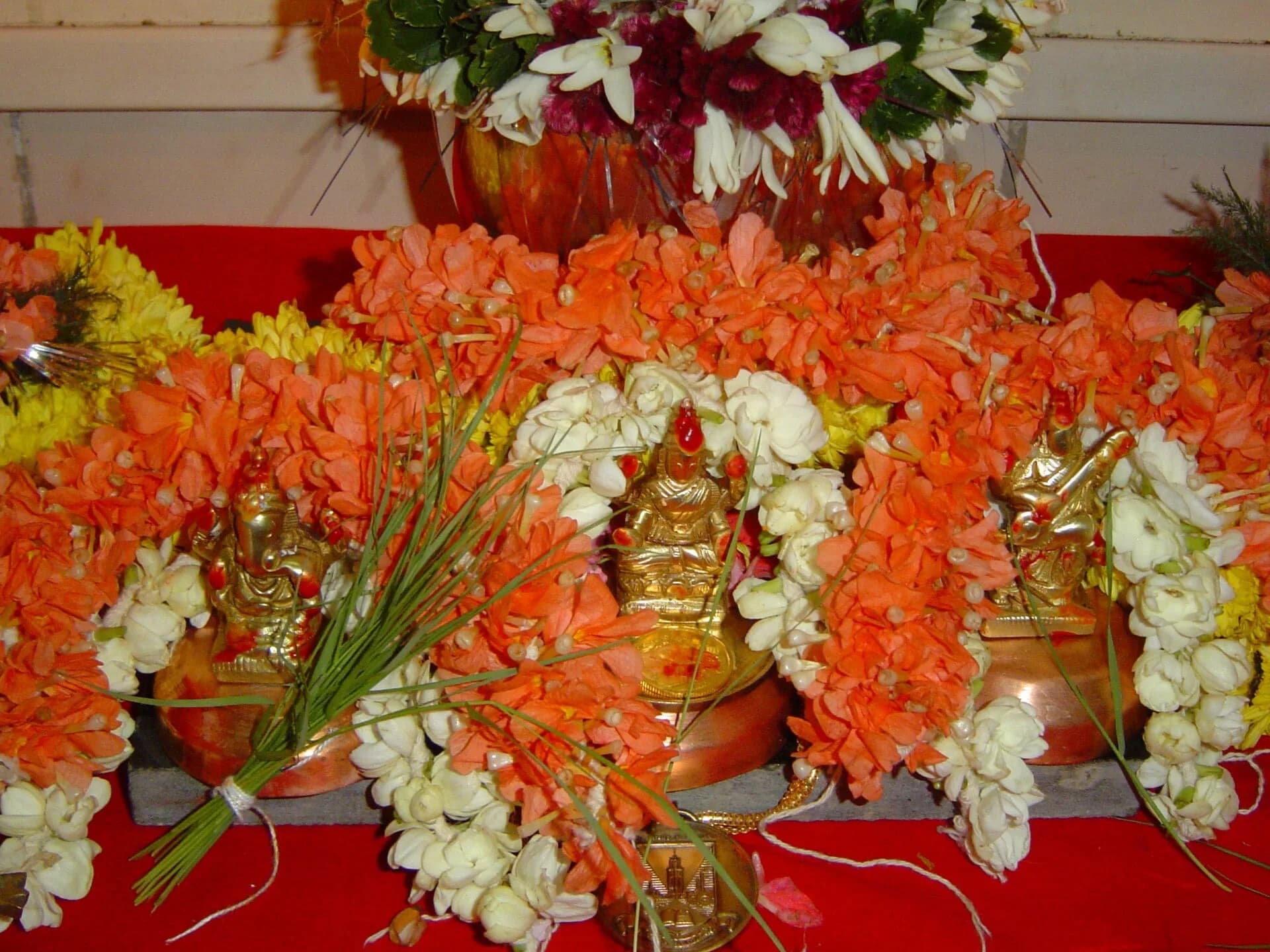
This day remembers Krishna lifting Govardhan hill to protect the people of Braj from Indra's storms. Devotees prepare Annakut, a "mountain of food" with dozens of dishes, as an offering. Calendars differ on the date this year: Samvat and DekhoPanchang list Tuesday, November 10, while others list Monday, November 9.
The same day has other meanings across India:
- In Gujarat, it is Bestu Varas, the Gujarati New Year, when people greet each other with "Saal Mubarak".
- In Maharashtra and Karnataka, it is Bali Pratipada, honouring the generous king Bali.
- Many traders open new account books on or around Diwali.
Day 5: Bhai Dooj (November 10 or 11)
Bhai Dooj celebrates the bond between brothers and sisters. Sisters apply a tilak to their brothers' foreheads and pray for their long life, and brothers give gifts in return. It is called Bhau Beej in Maharashtra, Bhai Phonta in Bengal and Bhai Tika in Nepal. Wikipedia lists the date as Wednesday, November 11, while some calendars give Tuesday, November 10.
How to celebrate safely and sustainably
- Diya safety: keep diyas away from curtains and synthetic fabrics, and never leave them burning unattended.
- Firecrackers: follow local rules. Many cities allow only green crackers and restrict the hours. Keep children supervised and keep a bucket of water nearby.
- Air quality: pollution in North India often peaks around Diwali. If you have asthma or heart or lung conditions, limit time outdoors; see our guide to masks and air purifiers.
- Sweets: buy from trusted shops, and be careful with homemade sweets in warm weather. Our festive food safety guide has simple tips.
- Shopping: watch out for fake sale websites; read our guide to festive sale scams.
Related reading
Sources
This article draws on the following reporting. Dates are when each source was originally published.
- SmartPuja: Diwali 2026: Date, Lakshmi Puja Muhurat, Vidhi and Significance
- Samvat: Diwali 2026: Dhanteras, Diwali, Govardhan Puja and Bhai Dooj
- DekhoPanchang: Govardhan Puja 2026
- Wikipedia: Diwali
Written by
Stories, explainers and features published by The Daily, based on public sources that are listed with every article.
More from The Daily →Enjoyed this story?
Get the best of The Daily in your inbox every Sunday.