Festive Fashion 2026: Why Brands Are Betting on Bandhani, Block Prints and Banarasi Weaves
From Soch and Max Fashion to craft marketplace iTokri, this season's festive collections are built around Indian techniques. A guide to the crafts, and how to buy them well.
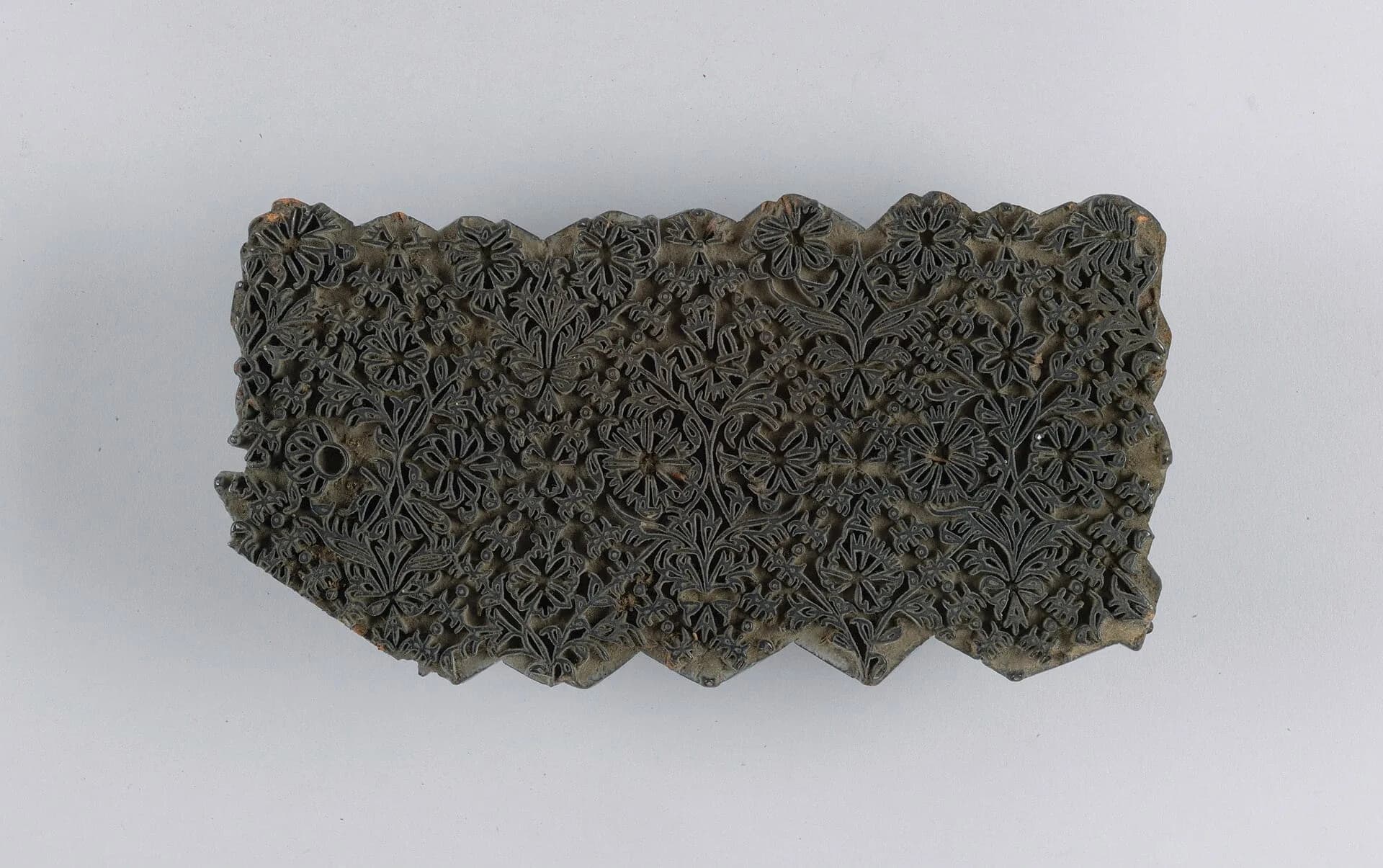
If one idea connects this year's festive collections, it is craft. Rather than glitter and logos, Indian brands are naming their Festive 2026 ranges after techniques: hand block printing from Sanganer, bandhani tie-dye from Kutch, tissue weaves and zari, Chanderi and Banarasi silk.
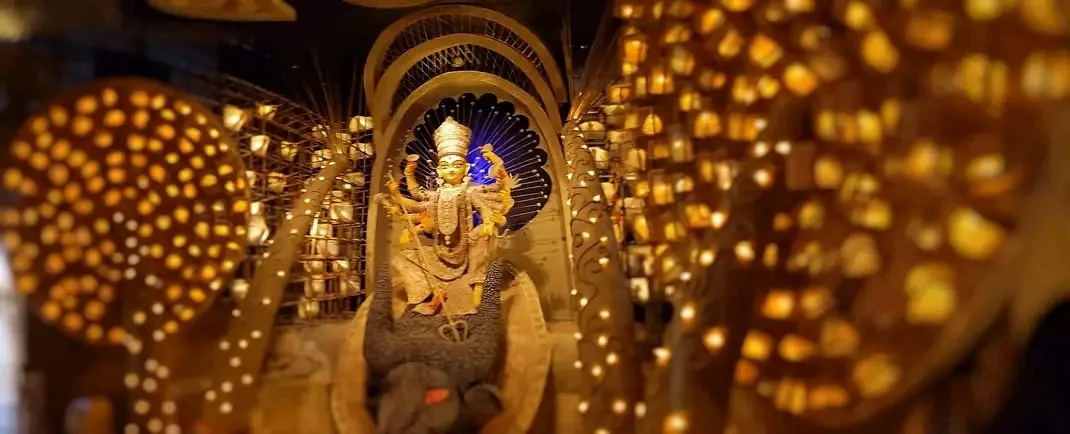
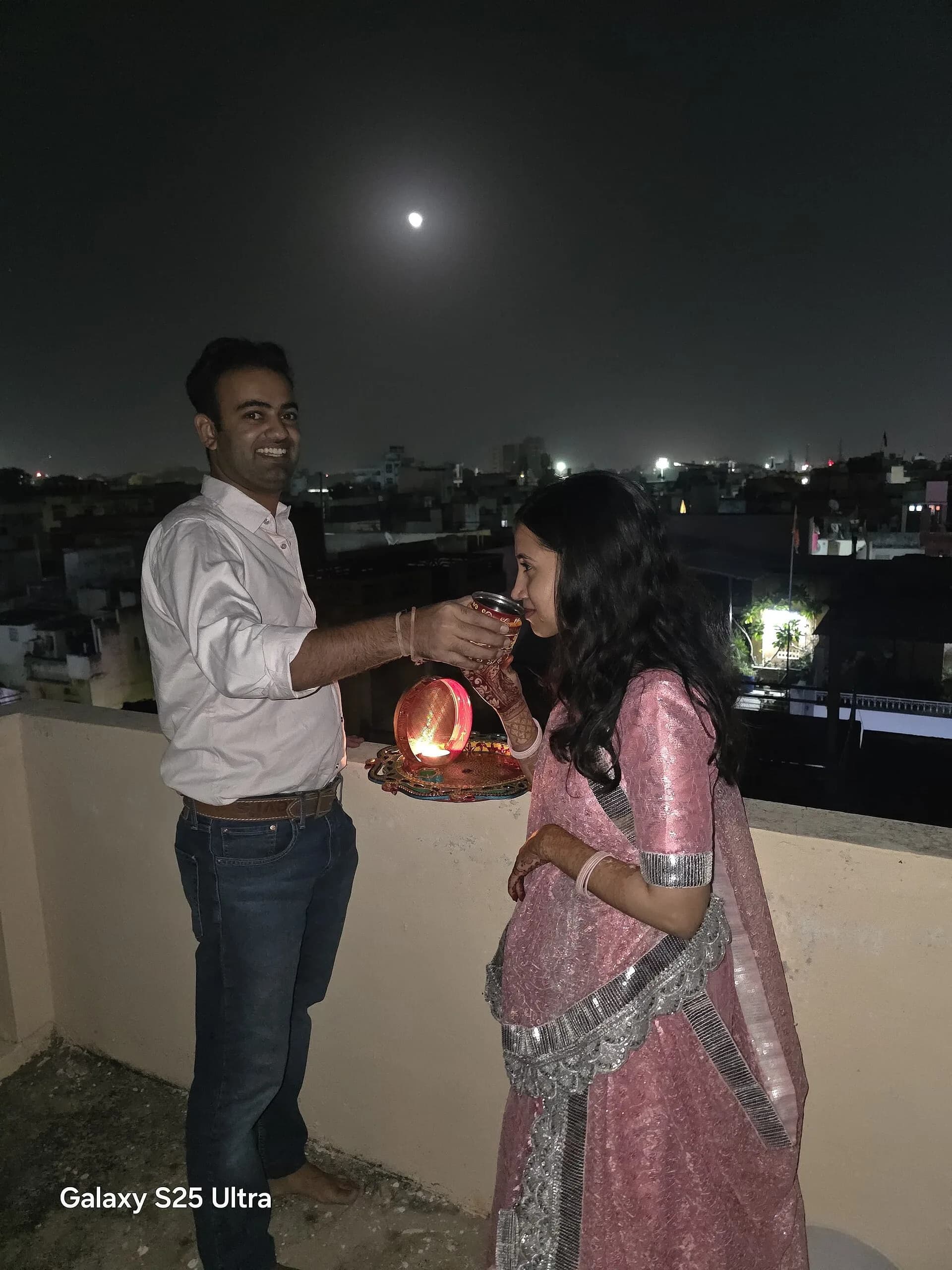
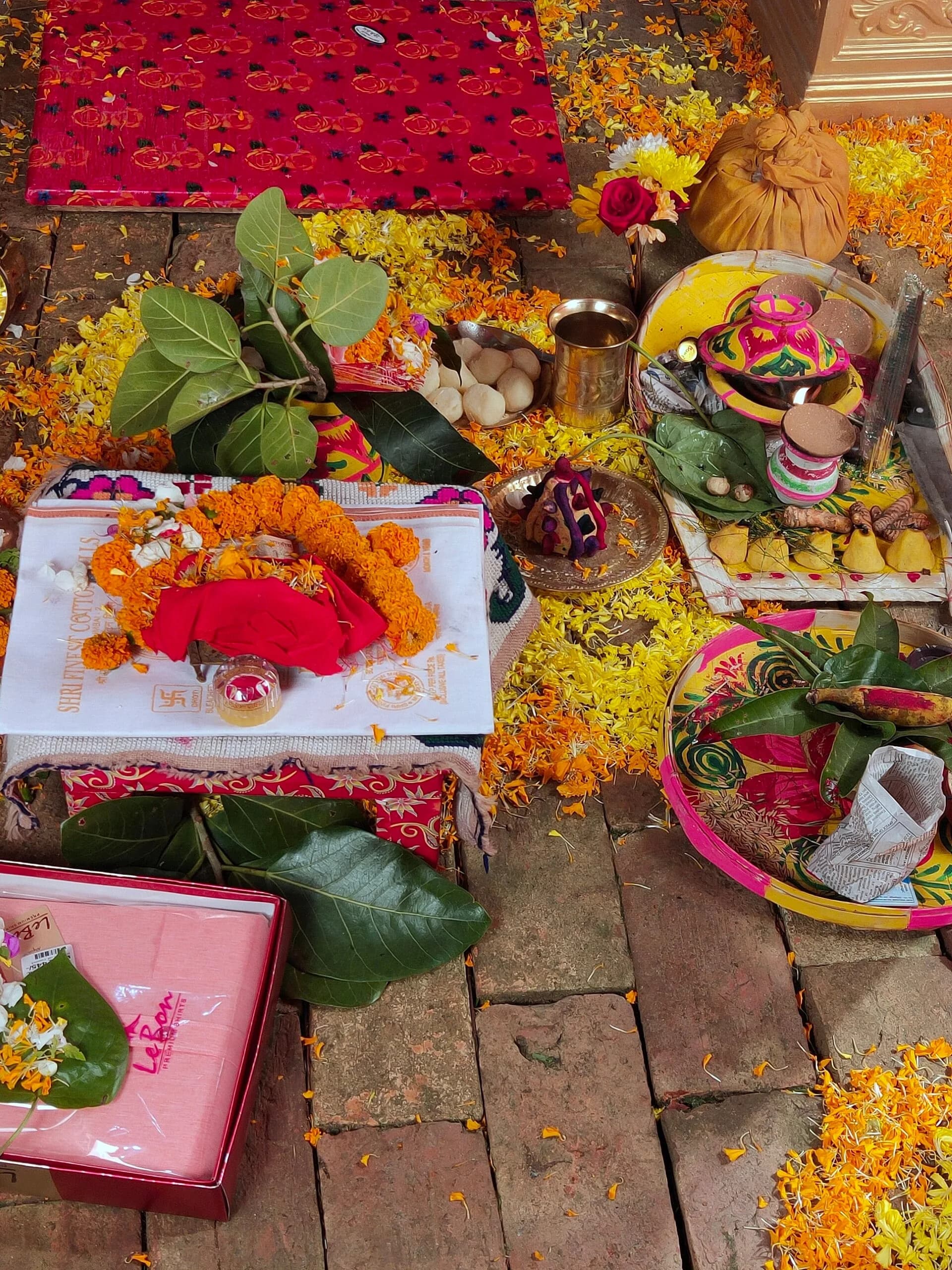
With Navratri under way, Durga Puja and Dussehra next week and Diwali on Sunday, November 8, here is what has launched, what each craft actually is, and how to buy pieces that are genuine and worth the money.
What the brands have launched
Soch: "Tyohaar, The Festive Edit 2026." The ethnic-wear label, which has more than 175 stores in 70 cities, unveiled its festive range on October 6. It is built on tissue weaving, zari embroidery, bandhani tie-dye and tile-inspired prints, using fabrics such as crushed tissue, gota jacquard and crepe. Colour stories range from teal, wine and maroon to a bold red line called Gulmohar. Prices start at ₹3,000. CEO Vinay Chatlani said the idea was to "let the fabrics own the narrative."
Max Fashion with Kalki Koechlin. The value fashion brand's festive range, launched in September with actor Kalki Koechlin as creative collaborator, comes in two drops. The first, Sakura Baag, uses hand block printing from Sanganer in Rajasthan, blended with Japanese floral motifs such as cherry blossoms, in powder pink, ivory, sage and pista green. The second features original artwork by three artists with disabilities, Simron Raj, Pavithra and Manas, working with the Chennai-based Kairassi Foundation. Prices run from ₹599 to ₹1,999.
iTokri: "The technique is the collection." The Gwalior-based craft marketplace has arranged its festive shelves by technique rather than by product type: bandhani, Chanderi, Jamdani, Tussar, Kalamkari, Chikankari and Banarasi. Each listing names the region, the material and the artisan. The company says it works with more than 10,000 artisans across 500 craft clusters.
A quick guide to the crafts
Knowing the basics helps you understand price differences and spot fakes.
- Bandhani (bandhej): tie-dye from Gujarat and Rajasthan. Tiny points of fabric are tied with thread before dyeing, leaving dots in patterns. Real bandhani has slightly uneven dots and small puckers; printed "bandhani" looks perfectly flat.
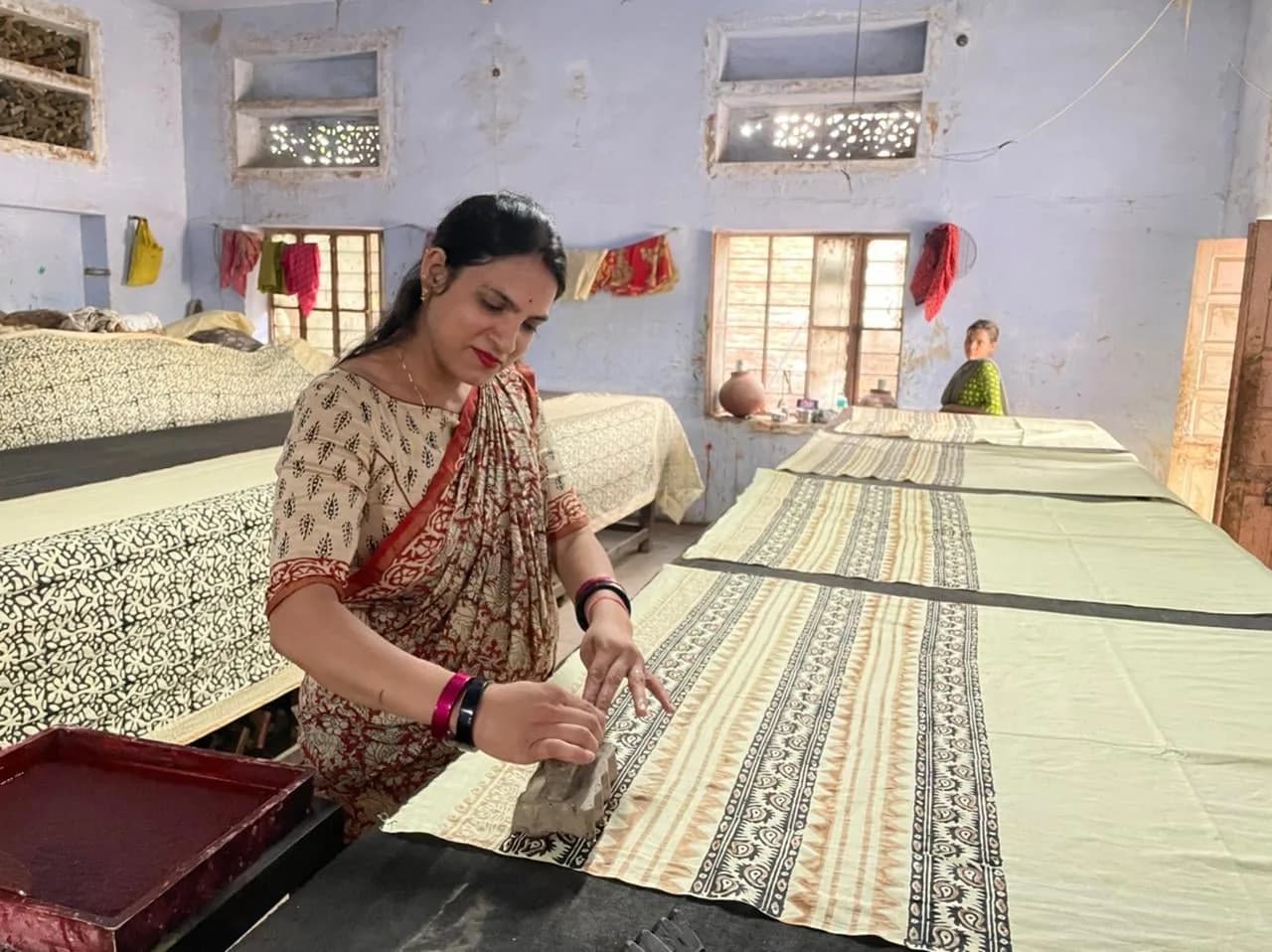
- Hand block printing: designs are stamped by hand with carved wooden blocks. Sanganer and Bagru near Jaipur are famous centres. Look for small variations and slight overlaps where blocks meet.
- Chanderi: a light, sheer silk-cotton weave from Chanderi in Madhya Pradesh, often with small woven motifs called buttis. Good for day pujas and warmer weather.
- Jamdani: a fine handwoven muslin from Bengal, with motifs woven in on the loom, not embroidered on top.
- Tussar: a textured "wild" silk with a natural golden sheen, produced in Jharkhand and neighbouring states.
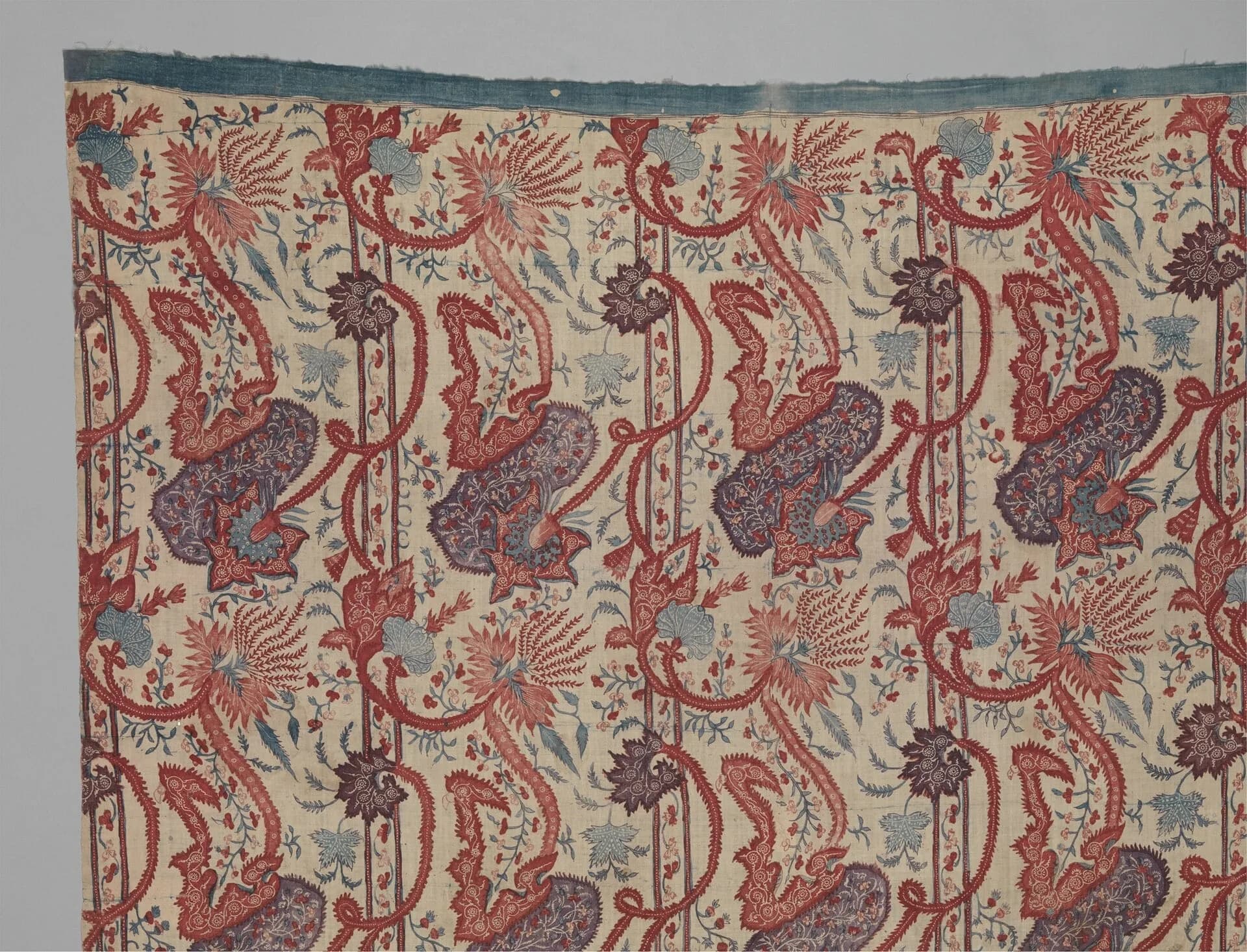
- Kalamkari: painted or block-printed textiles from Andhra Pradesh: hand-painted work from Srikalahasti and block printing from Pedana.
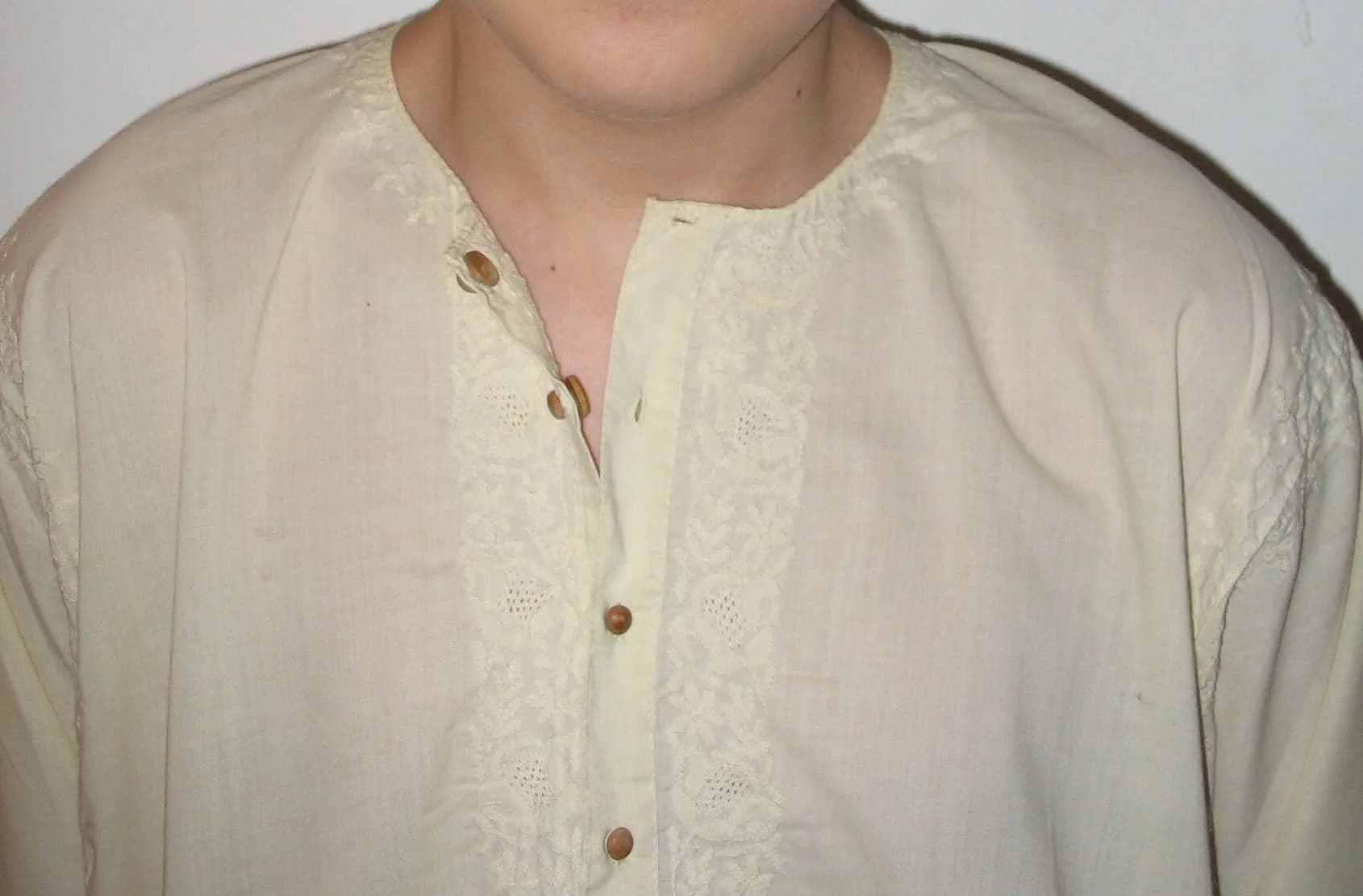
- Chikankari: delicate hand embroidery from Lucknow, traditionally white thread on white fabric.
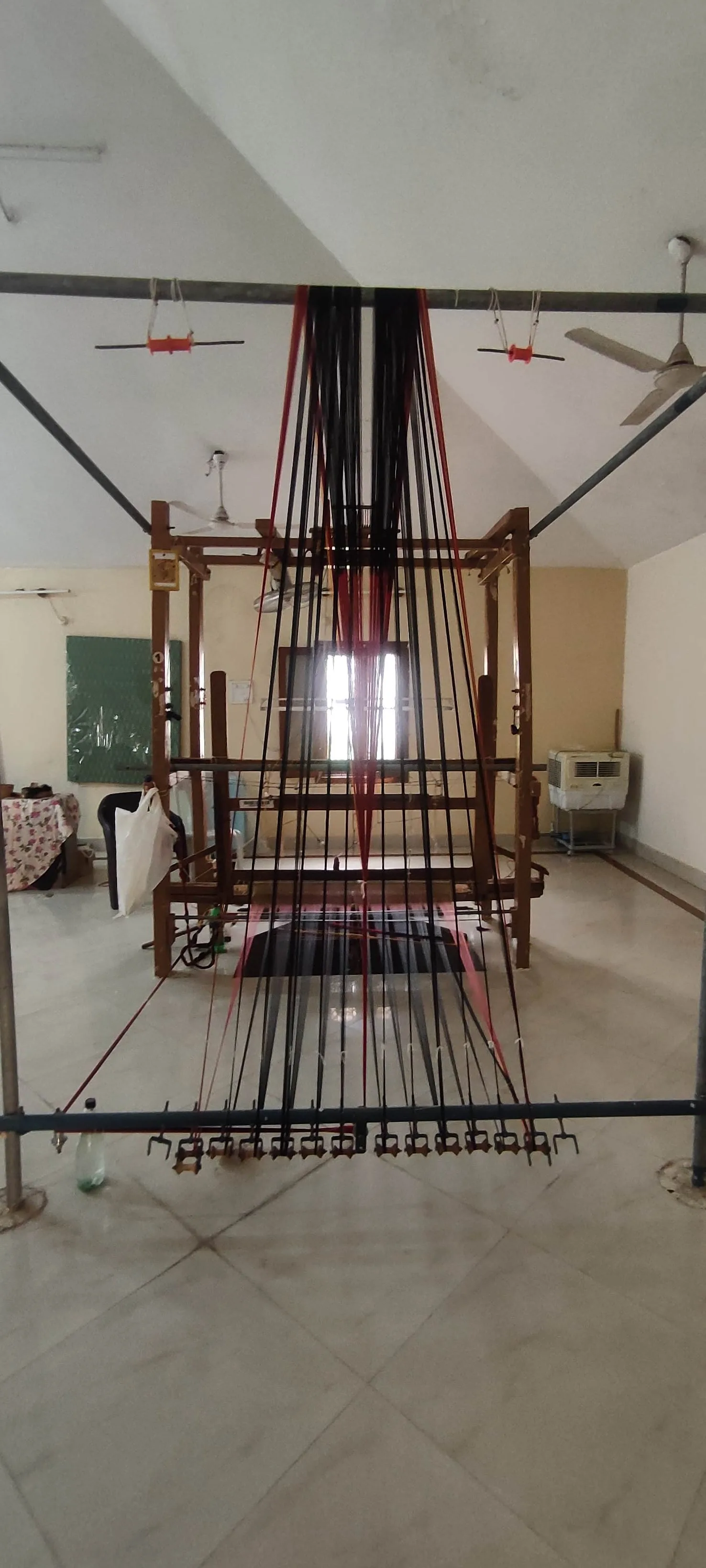
- Banarasi: rich silk brocades from Varanasi, with gold or silver zari. The classic bridal saree.
Why craft is the trend
Festive dressing in India has always involved traditional textiles, but brands are now putting the technique itself on the label. A few reasons stand out:
- Shoppers want a story. A saree or kurta that names its craft and region feels more special than a generic "festive" print.
- Re-wearability. Handloom and block-printed pieces work for Diwali, weddings and everyday occasions, which suits a more careful way of spending.
- Support for artisans. Buying from named craft clusters puts money directly into weaving and printing communities.
Designers will show their own festive and wedding edits at Lakmé Fashion Week x FDCI, which runs in New Delhi from October 13 to 18; read our preview of the fashion week.
How to buy genuine craft
- Check the labels. The Handloom Mark shows that fabric is handwoven, and the Silk Mark confirms pure silk. Our guides explain both: Handloom Mark and Silk Mark.
- Look at the reverse. Handwoven fabric usually shows small irregularities and loose threads on the back; machine-made copies look perfectly even.
- Ask for details. A good seller should be able to tell you the technique, region and fibre.
- Be realistic about price. A handwoven Banarasi silk saree takes many days of work. A "pure Banarasi" for a few hundred rupees is almost certainly a power-loom or printed copy.
- Shop safely online. Festive sales attract fake websites and too-good-to-be-true offers; see our guide to festive sale scams.
Styling ideas for the season
- Durga Puja and Dussehra: a Jamdani or Tant saree, or a Chanderi kurta set.
- Diwali puja: a Banarasi or tissue saree, or a bandhani lehenga in red, maroon or magenta.
- Diwali parties and card evenings: a block-printed or Chikankari kurta with statement earrings.
- Winter weddings: Tussar or Banarasi silk, which hold their structure and look rich in photographs.
Related reading
Sources
This article draws on the following reporting. Dates are when each source was originally published.
- Images Business of Fashion: Soch unveils Festive 2026 collection celebrating Indian craft traditions
- Images Business of Fashion: Max Fashion unveils Festive 2026 collection curated by Kalki Koechlin
- The Tribune (press release): iTokri opens Festive 2026 with the technique as the collection
Written by
Stories, explainers and features published by The Daily, based on public sources that are listed with every article.
More from The Daily →Enjoyed this story?
Get the best of The Daily in your inbox every Sunday.