What to Wear for Diwali 2026: A Day-by-Day Dressing Guide, From Dhanteras to Bhai Dooj
Diwali falls on Sunday, November 8 this year, and the festival runs from Dhanteras on November 6 to Bhai Dooj on November 11. A practical plan, with tips on fabric, diya safety and buying smart.
Diwali 2026 falls on Sunday, November 8. The celebrations run from Dhanteras on Friday, November 6 to Bhai Dooj on Wednesday, November 11, which means plenty of family visits, parties and outfits to plan.
This guide is practical rather than trend-driven: what works for each day, which fabrics suit early-winter weather, and how to stay safe around diyas while looking your best.
The festival days at a glance
- Dhanteras, Friday, November 6: shopping for gold, utensils and new things; evening puja
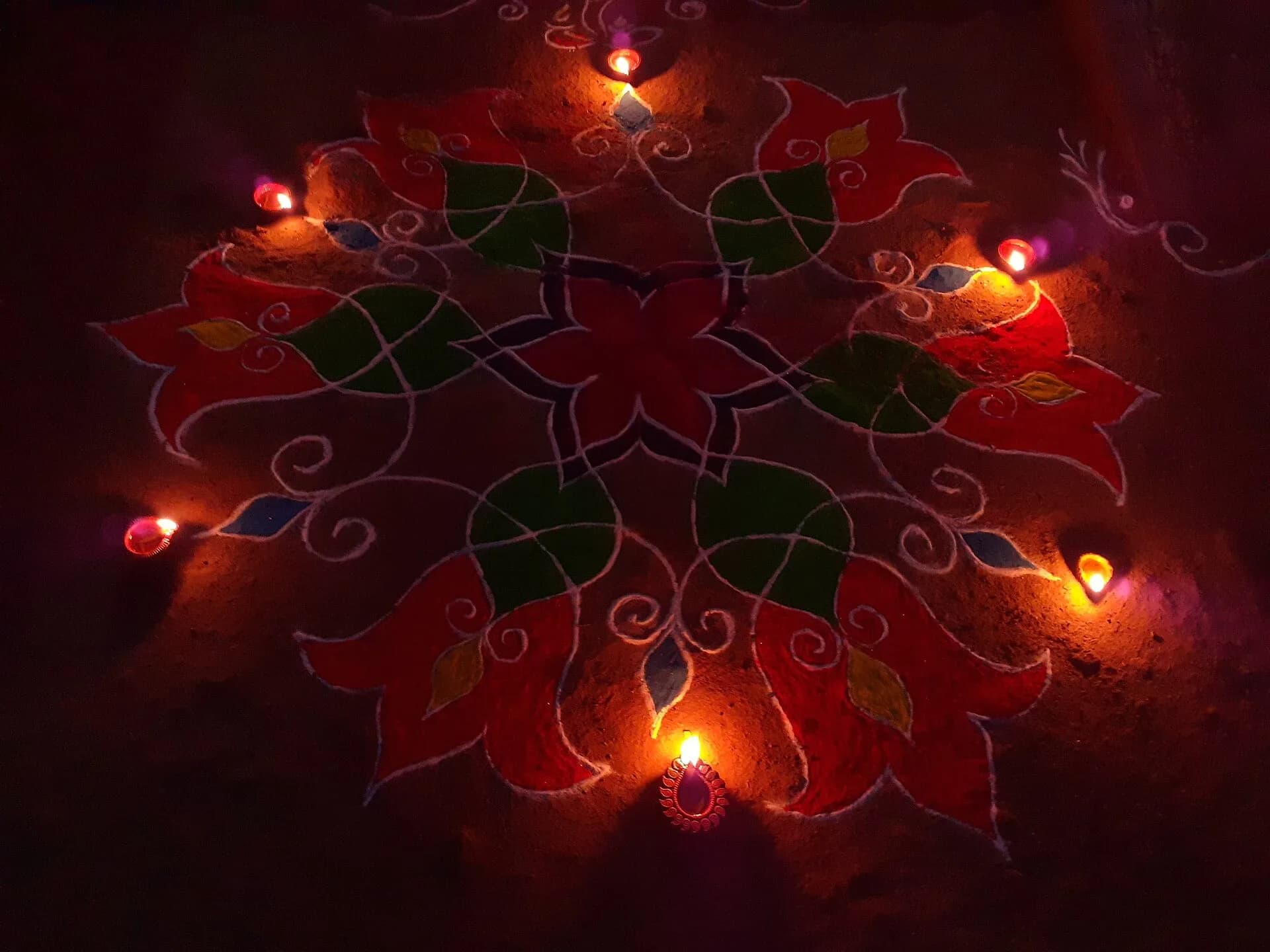
- Choti Diwali (Naraka Chaturdashi), November 7 or 8: preparations, rangoli, smaller celebrations. Calendars differ on the date this year.
- Diwali (Lakshmi Puja), Sunday, November 8: main puja in the evening, diyas, family gathering
- Govardhan Puja, Tuesday, November 10: Annakut offerings, visits
- Bhai Dooj, Wednesday, November 11: siblings' celebration
These are the dates most calendars give for India. Some regional calendars, and Indian communities abroad, may differ by a day, and Lakshmi Puja timings vary by city, so check a local panchang or your family priest for the exact dates and muhurat where you live.
Day 1, Dhanteras: polished but practical
Dhanteras usually involves a trip to the jeweller or the market, so choose something you can move in. A cotton or chanderi kurta set, a light silk-blend saree, or a well-cut kurta with churidar works well. Keep jewellery simple if you are buying more. You will want to try it on.
Day 2, Choti Diwali: comfortable for the work
This is the day of cleaning, rangoli and last-minute errands. Comfortable cotton is the sensible choice. If you are hosting in the evening, a block-printed or handloom kurta looks festive without being fussy.
Day 3, Diwali: your best outfit
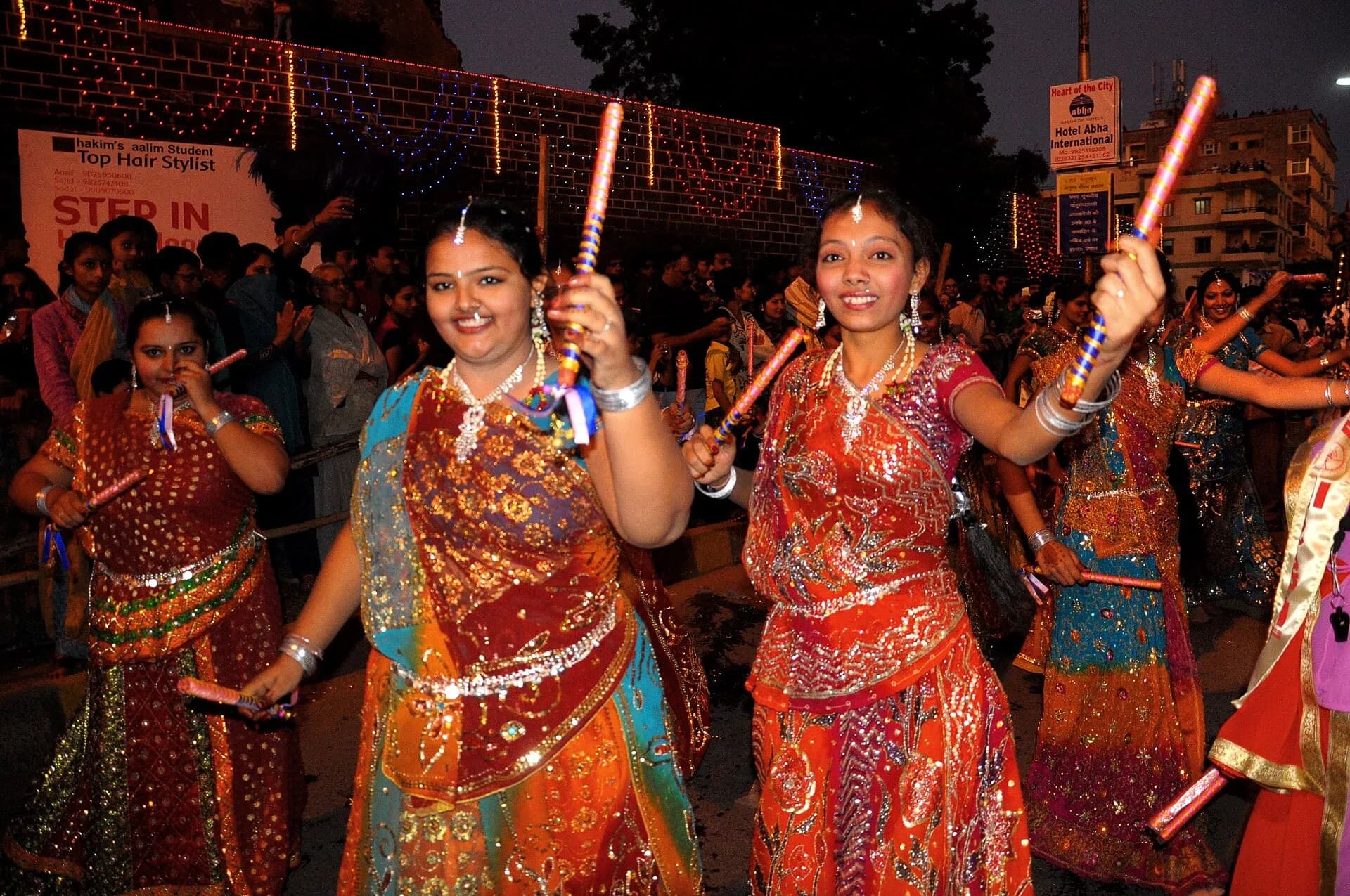
This is the day for the silk saree, the lehenga, the sherwani or the bandhgala. A few tips:
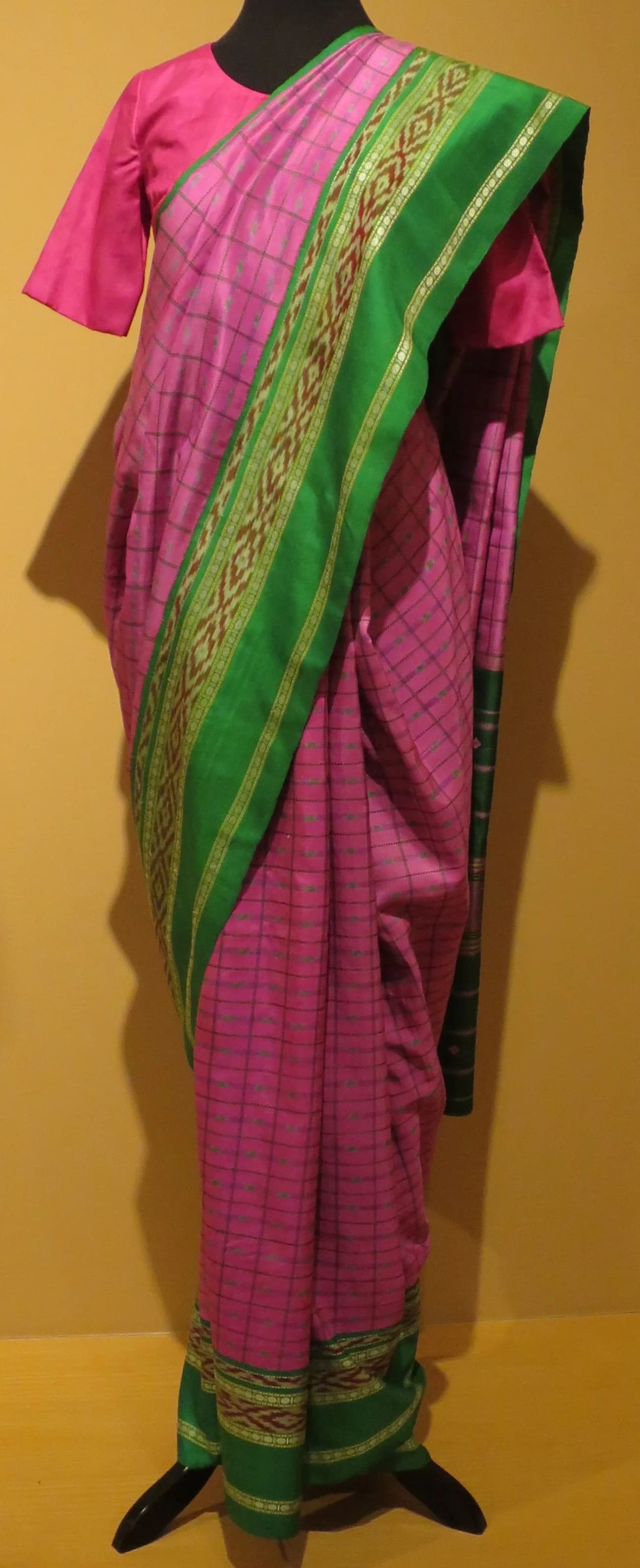
- Go traditional for the puja. Many families prefer classic silks, such as Banarasi, Kanjeevaram or Paithani, for the evening puja.
- Check that silk is real. If you are buying a new silk saree, look for the Silk Mark and verify its number. Read our guide.
- Pick colours for the evening. Deep reds, gold, emerald and jewel tones look rich in diya light and in photographs.
- Consider the hand-woven option. Hand-woven pieces support weavers directly. Our guide explains how to check a handloom label.
Day 4, Govardhan Puja: relaxed festive
After the big night, many people spend the day visiting relatives. A lighter silk, an organza dupatta over a simple suit, or a printed kurta set strikes the right note between festive and relaxed.
Day 5, Bhai Dooj: easy and bright
Bhai Dooj is usually a home celebration. Bright cottons and easy separates are ideal. It is also a good day to re-wear a favourite piece from earlier in the week with different accessories.
Safety first around diyas and crackers
Festive clothes and open flames are a risky combination.
- Synthetic fabrics such as polyester and nylon can melt and stick to skin if they catch fire. Natural fibres such as cotton and silk are a safer choice around diyas and crackers, although any fabric can burn.
- Watch loose ends. Pin dupattas and saree pallus securely, and keep long sleeves away from diyas.
- Keep children's clothes simple and avoid long, flowing synthetic fabrics for them on Diwali night.
- Keep water or sand nearby when lighting diyas or crackers.
Weather: early winter in the north
By the second week of November, evenings can be cool in north India. A shawl is the classic answer, and if you are buying a Pashmina, read how to tell a genuine Kashmir Pashmina from a fake. In the south and west, lighter silks and cottons remain comfortable.
Shop smart
- Plan around re-wearing. One good saree or sherwani with two sets of accessories can cover two occasions.
- Keep your bills, especially for silk, Pashmina and gold, in case of disputes.
- Look beyond the malls. Government emporiums, Khadi India stores and weaver cooperatives often run festive sales. Read what's behind khadi's record sales.
Still in the middle of Navratri plans? See our Navratri 2026 colours guide.
Sources
This article draws on the following reporting. Dates are when each source was originally published.
- SmartPuja: Diwali 2026: Date, Lakshmi Puja Muhurat, Vidhi & Significance
- DekhoPanchang: Diwali 2026
- DekhoPanchang: Govardhan Puja 2026
- Calendarlabs: Bhai Dooj

Written by
Newsroom
Reporting, explainers and analysis from The Daily’s editorial desk, based on verified public sources that are listed with every story.
More from The Daily Desk →Enjoyed this story?
Get the best of The Daily in your inbox every Sunday.