How to Tell a Genuine Kashmir Pashmina From a Fake
A GI label, a lab test in Srinagar and a few honest checks at the counter. What 'pure Pashmina' should mean before you pay for it.
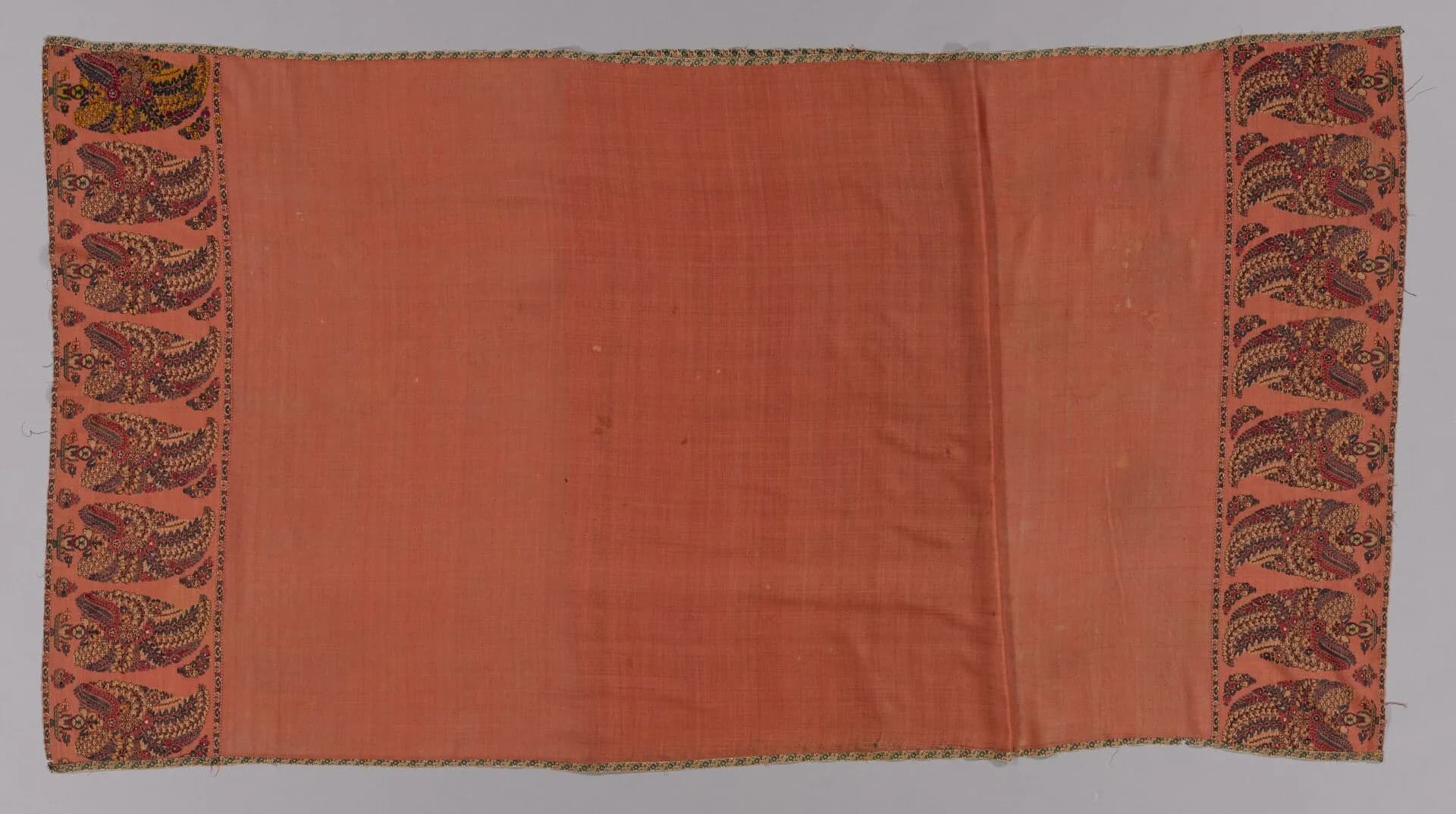
Few things in Indian fashion are faked as often as the Pashmina shawl. Market stalls and online stores across the country sell "pure Pashmina" at prices that a genuine hand-spun, hand-woven Kashmiri shawl could never match. The good news is that there is an official system for proving authenticity. The bad news is that most buyers have never heard of it.
What "Kashmir Pashmina" actually means
Pashmina is the very fine undercoat (pashm) of goats raised at high altitudes, such as the Changthangi goats of Ladakh. In Kashmir it is traditionally spun by hand and woven by hand into shawls and stoles.
Kashmir Pashmina is protected as a Geographical Indication (GI). The Craft Development Institute in Srinagar applied for the registration, which means the name is legally tied to products made in Kashmir using the traditional process. A GI works much like a trademark for a region: it protects the name, not just a brand.
The test behind the label
To back up the GI, Srinagar has a Pashmina Testing and Quality Certification Centre, set up at a cost of about ₹44 crore and functional since June 2015, according to a FactorDaily report. Laboratory tests there check:
- Fibre fineness: genuine Pashmina fibres must be less than 16 microns thick.
- Spinning: whether the yarn was spun by hand or by machine.
- Weaving: whether the shawl was woven by hand.
Shawls that pass receive a tamper-proof label carrying a unique number. When the system was introduced, buyers could check that number online, and the label also carried hidden security features. The centre has since upgraded its equipment, including a high-resolution digital microscope system welcomed by Kashmir's chamber of commerce, which is meant to cut waiting times for GI labelling.
Why fakes are so common
Fine Pashmina fibre is too delicate to survive machine spinning on its own. To make cheaper shawls on machines, some producers blend lower-grade wool with nylon or other synthetics, according to the FactorDaily report. These shawls can look and feel convincing in the shop. The report notes that the blend can start to separate after a few years, especially after washing.
Checks you can make before buying
- Ask for the GI label. A genuinely certified Kashmir Pashmina should carry the official label with a unique number. Ask the seller how to verify it, and check it if the label offers a way to do so.
- Be realistic about price. Hand-spun, hand-woven Pashmina takes many days of skilled work. A "pure Pashmina" shawl at a few hundred or a couple of thousand rupees is almost certainly a blend.
- Read the composition. "Pashmina blend", "cashmere silk" or "fine wool" are not the same as 100% Kashmir Pashmina. Ask for the composition in writing on the bill.
- Buy from accountable sellers. Government emporiums and established Kashmiri shawl houses are more likely to stock certified pieces and stand behind them.
- Keep your invoice. If a product sold as GI Pashmina turns out to be fake, the bill and label number are your evidence.
Some guides recommend a "burn test" on a thread. It can damage the shawl and is unreliable in a shop, so the label and a written bill are a better guarantee.
Related reading
Kashmir's shawls have shaped design far beyond India. Read how the Kashmiri *buta* became the world's "paisley", and our guides to checking handloom labels and pure silk.
Sources
This article draws on the following reporting. Dates are when each source was originally published.
- FactorDaily: How a nanotechnology based microchip can help you identify real Pashmina ·
- SpicyIP: From Pashm to Pashmina – The GI way ·
- Greater Kashmir: KCCI welcomes commissioning of HR Digital Microscope System at CDI

Written by
Newsroom
Reporting, explainers and analysis from The Daily’s editorial desk, based on verified public sources that are listed with every story.
More from The Daily Desk →Enjoyed this story?
Get the best of The Daily in your inbox every Sunday.