Handloom Mark and India Handloom Brand: How to Know Your Saree Was Really Woven by Hand
Two government labels certify genuine handloom products, and draft rules would make one of them compulsory for anything sold as 'handloom'.

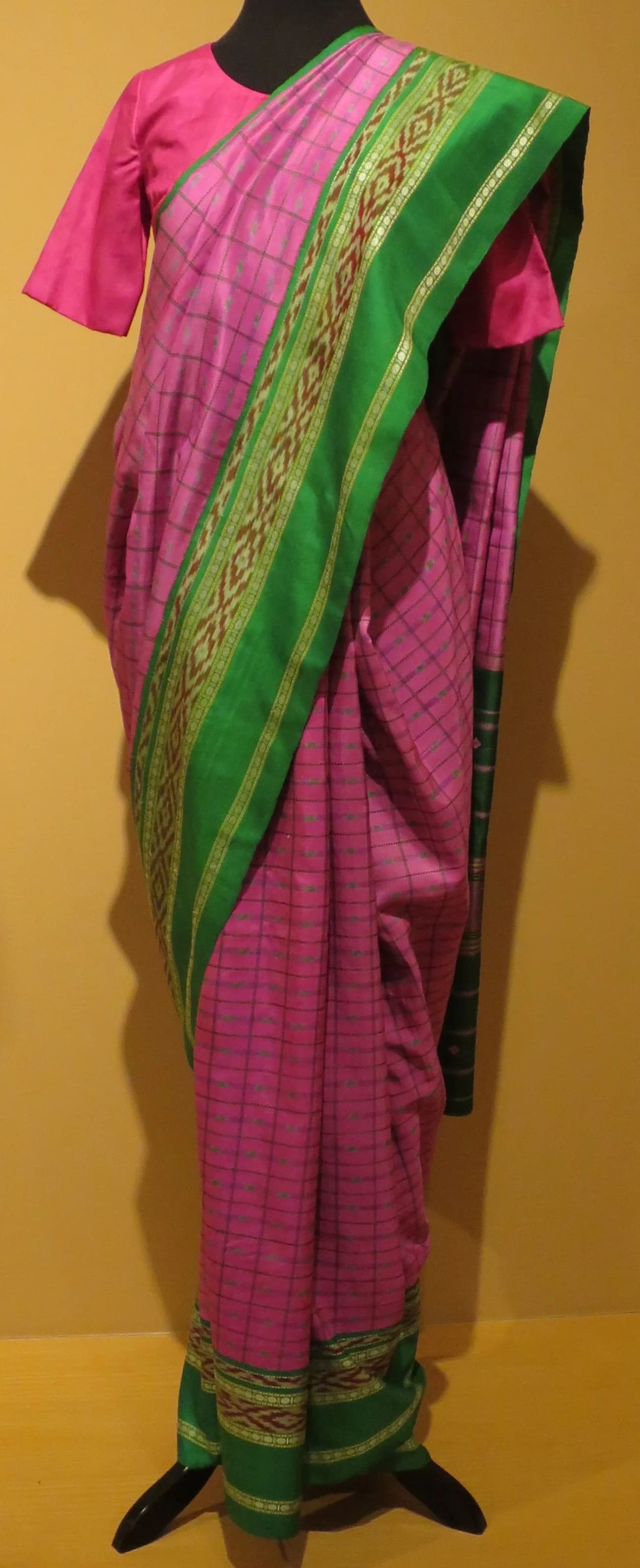
Walk into almost any saree shop and you will hear the word "handloom". Much of what is sold under that name, however, is woven on powerlooms, which are faster and far cheaper. For buyers, and for the weavers whose livelihoods depend on genuine handloom, the difference matters. India has two official labels designed to settle the question, and proposed rules would make one of them compulsory.
Handloom versus powerloom
A handloom is operated entirely by the weaver's hands and feet. Each piece takes time, and small irregularities are part of its character. A powerloom is motor-driven and can copy traditional designs at a fraction of the cost and time. Even experienced buyers can find the two hard to tell apart by eye, which is why certification exists.
Label 1: the Handloom Mark
The Handloom Mark was launched on 28 June 2006 to guarantee that a product is genuinely hand-woven and to give handloom products a distinct identity. The Textiles Committee, a body under the Ministry of Textiles, implements the scheme. Registered weavers, cooperatives and sellers receive labels carrying the Handloom Mark logo and a unique code.
Until now the scheme has been voluntary: a product can be sold as handloom without the label.
Label 2: the India Handloom Brand
The India Handloom Brand was launched on 7 August 2015, the first National Handloom Day. It is a quality endorsement rather than just a proof of hand-weaving. It covers raw materials, processing, weaving and design, as well as social and environmental standards, and registration follows the testing of samples. Products carrying the brand are meant to be both genuine and high quality.
What could change: compulsory labelling
The Ministry of Textiles has drafted the Handloom Mark Standards (Labelling and Display) Regulations, 2025, and notified them to the World Trade Organization on 11 March 2026, according to the law firm Economic Laws Practice. Under the draft:
- every product marketed, sold or displayed as "handloom" would need a valid Handloom Mark label;
- selling a product as handloom without the label would be treated as misleading;
- weavers and manufacturers would effectively need to register under the Handloom Mark scheme;
- misuse could lead to cancellation of registration, seizure of goods and prosecution.
The draft proposed that the rules come into force on October 1, 2026, but they take legal effect only once they are published in the Official Gazette. As of October 12, 2026, we could not confirm that final publication, so check the Ministry of Textiles or the Textiles Committee for the current status before relying on the new rules.
Checks you can make today
- Look for the label. Check for the Handloom Mark or the India Handloom Brand logo, with a code or number, on the product or its tag.
- Keep the bill. If you doubt a labelled product, the Textiles Committee can look into it. You will need your bill and the label's code number.
- Don't rely on the shop's word alone. Claims such as "government approved" are not proof. The label and its registration are.
- Ask about the weaver or cluster. Sellers of genuine handloom can usually tell you where and by whom the piece was woven.
- Check the price. Hand-woven silk and fine cotton take days or weeks to weave. Very cheap "handloom" is a warning sign.
Related guides
Pure silk has its own certification: see our guide to the Silk Mark. For winter shawls, read how to identify genuine Kashmir Pashmina, and for the hand-spun cloth with the longest history of all, our explainer on Khadi's record sales.
Sources
This article draws on the following reporting. Dates are when each source was originally published.
- Economic Laws Practice (ELP): New Marking Requirements for Handlooms: Key Features and Implications for Stakeholders ·
- Ministry of Textiles: Draft Regulations: The Handloom Mark Standards (Labelling and Display)
- Textiles Committee: Handloom Mark Scheme
- Wikipedia: National Handloom Day

Written by
Newsroom
Reporting, explainers and analysis from The Daily’s editorial desk, based on verified public sources that are listed with every story.
More from The Daily Desk →Enjoyed this story?
Get the best of The Daily in your inbox every Sunday.