Khadi's ₹1.87 Lakh Crore Year: What the Record Number Really Includes
KVIC's headline figure covers far more than cloth. Khadi textiles themselves sold ₹7,869 crore in 2025-26, up more than seven-fold in 12 years.
In May 2026 the Khadi and Village Industries Commission (KVIC) announced that sales of khadi and village industry products had reached a record ₹1.87 lakh crore in the financial year 2025-26. KVIC chairman Manoj Kumar called it a historic milestone at a press conference in New Delhi on May 26.
It is a striking number, and it is widely quoted as "khadi sales". But for anyone who loves khadi as a fabric, the more interesting story is inside the total.
What the ₹1.87 lakh crore includes
KVIC oversees two very different kinds of business:
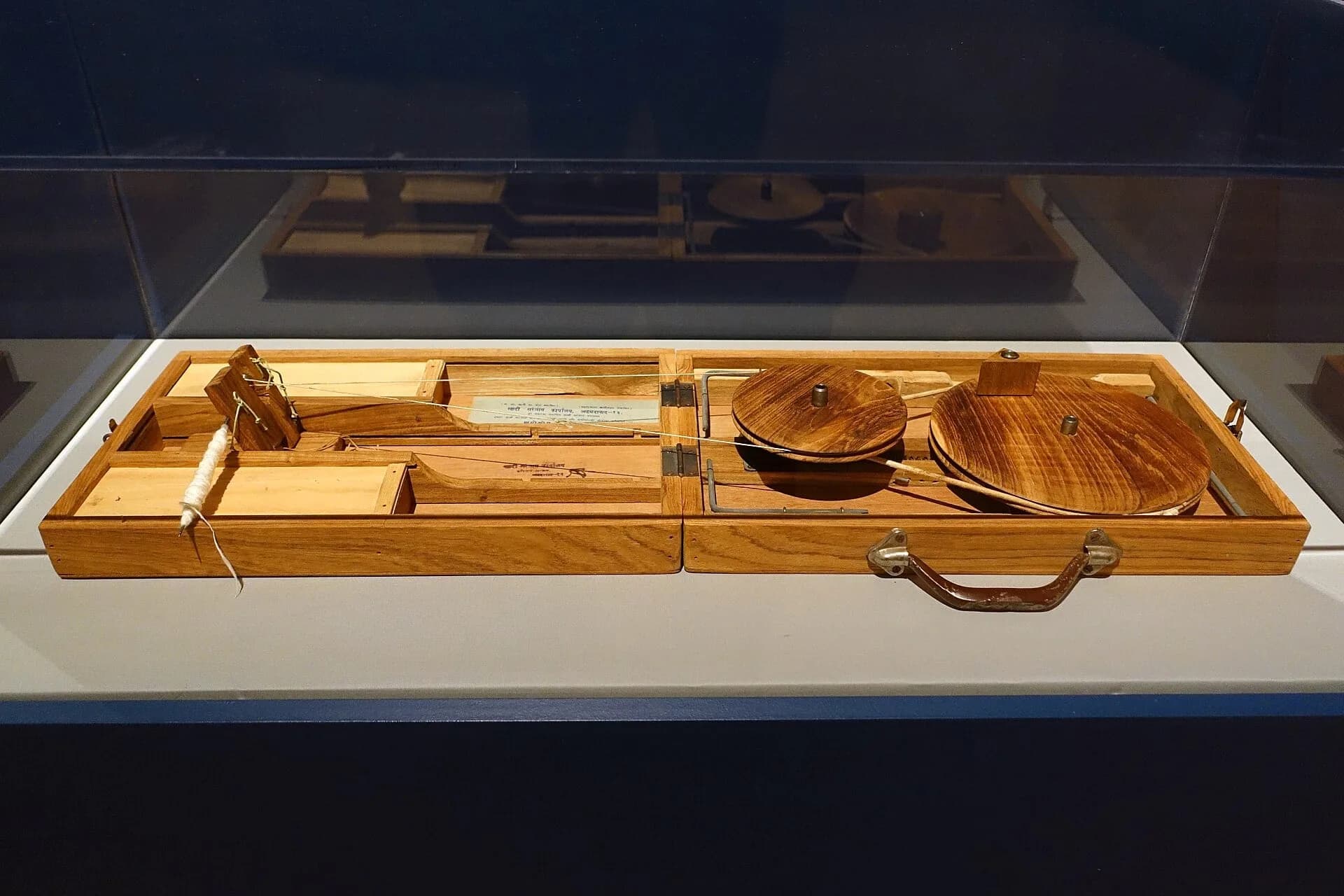
- Khadi: cloth that is hand-spun and hand-woven, the fabric most closely associated with Mahatma Gandhi and the freedom movement.
- Village industries: a much broader group of rural enterprises, from food processing and honey to soaps, agarbatti, pottery and leather goods.
According to figures reported by Construction World, the 2025-26 total breaks down as:
- Village industry sales: ₹30,073 crore in 2013-14, rising to ₹1,79,236 crore in 2025-26
- Khadi textile sales: ₹1,081 crore in 2013-14, rising to ₹7,869 crore in 2025-26
In other words, about 96% of the headline figure comes from village industries. Khadi cloth accounts for roughly 4%.
Khadi itself has grown fast
That does not make khadi's own growth small. Khadi textile sales rose from ₹1,081 crore in 2013-14 to ₹7,869 crore in 2025-26, more than seven times in 12 years. Khadi production grew from ₹811 crore to ₹3,974 crore over the same period.
Across both khadi and village industries, KVIC reports that employment rose from 1.30 crore to 2.04 crore people, and that about 80% of the people employed are women. Pay for spinners has also been raised: according to the same report, the rate per hank of yarn went from ₹4 to ₹15.
Did KVIC hit its target?
Not quite. KVIC had been aiming for ₹2 lakh crore in sales for 2025-26, according to earlier reporting by The Tribune, so ₹1.87 lakh crore is a record but short of the target. KVIC has also said it will soon launch its own e-commerce platform for khadi products.
Why khadi is having a moment
Khadi has moved well beyond its old image of plain white kurtas. Designers have used hand-spun cotton and silk khadi on Indian runways, and its slow, low-energy production fits the wider interest in sustainable, traceable clothing. Government promotion has helped too. On Gandhi Jayanti in 2023, for example, the flagship Khadi Bhawan at Connaught Place in New Delhi reported a record single-day sale of about ₹1.5 crore after the Prime Minister urged people to buy khadi.
How to make sure your khadi is genuine
Because khadi sells at a premium, imitations exist, including mill-made fabric with a "khadi look".
- Buy from KVIC-certified outlets, such as Khadi India stores and Khadi Gramodyog Bhawans, or institutions they certify.
- Look for the Khadi Mark on the label, which identifies genuine certified khadi.
- Expect texture: hand-spun yarn gives slight irregularities in the weave. Perfectly uniform cloth is more likely mill-made.
- Keep the bill, with the fabric described as khadi.
For other fabrics, see our guides to the Handloom Mark and the Silk Mark.
Sources
This article draws on the following reporting. Dates are when each source was originally published.
- News On AIR (Prasar Bharati): Khadi, village industries product sales cross Rs 1.87 lakh cr in FY26: KVIC ·
- Construction World: KVIC reports record sales and employment in 2025-26 ·
- The Tribune: KVIC records Rs 1.7 lakh crore turnover in 2024-25, eyes Rs 2 lakh crore in 2025-26
- Business Standard: PM Modi's appeal to purchase Khadi leads to record sales worth Rs 1.5 cr ·

Written by
Newsroom
Reporting, explainers and analysis from The Daily’s editorial desk, based on verified public sources that are listed with every story.
More from The Daily Desk →Enjoyed this story?
Get the best of The Daily in your inbox every Sunday.