Silk Mark Explained: How to Check That Your Silk Saree Is Pure
India's label for pure natural silk has existed since 2004. What it guarantees, how to verify it, and what it cannot tell you.
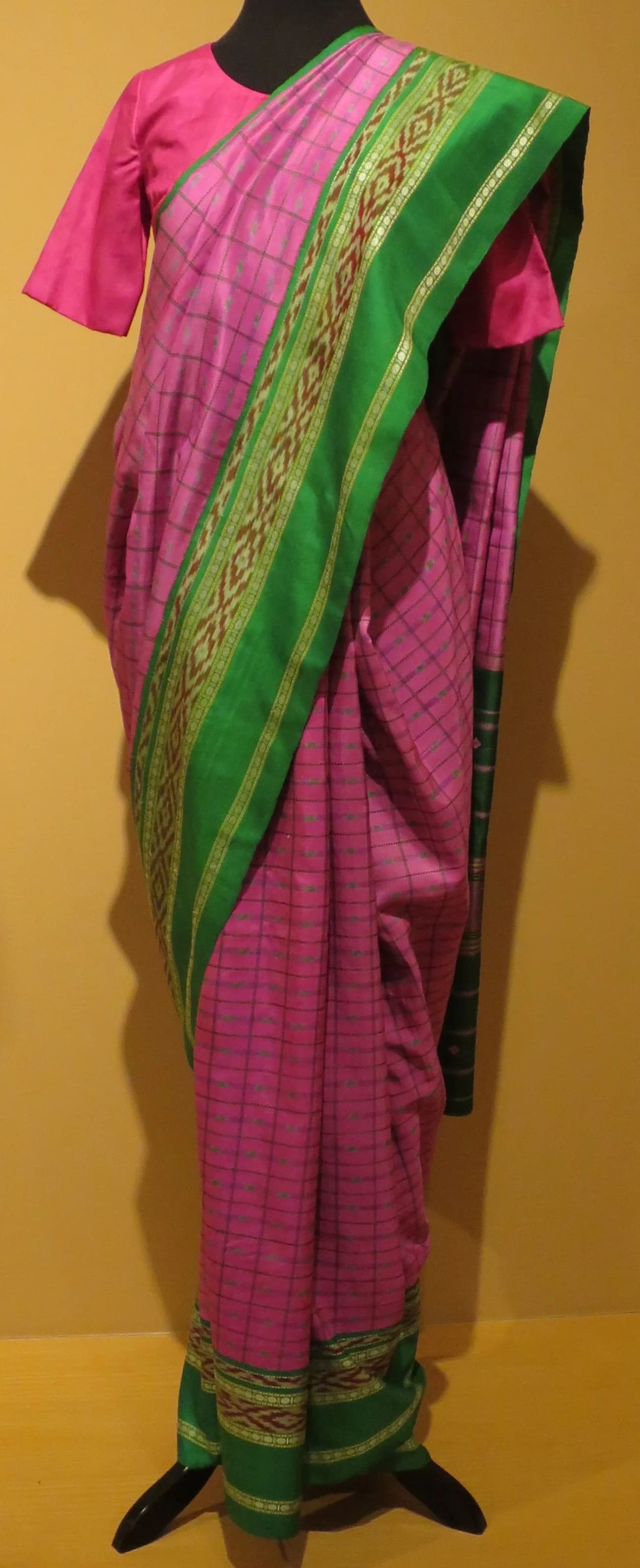
Silk sarees are among the most expensive purchases many Indian families make for festivals and weddings, and among the easiest to fake. Polyester, viscose and art silk can look remarkably like the real thing. India's answer is the Silk Mark, a label that has been certifying pure natural silk since 2004.
Who runs the Silk Mark
The Silk Mark Organisation of India (SMOI) was set up on 17 June 2004 by the Central Silk Board, a statutory body under the Ministry of Textiles that was established in 1948. SMOI is a registered society headquartered in Bengaluru, and the scheme was launched first in Bengaluru before expanding to Mumbai, Chennai and other cities.
The aim was simple: give consumers an easy way to know that a product described as silk is made of pure natural silk, whether mulberry, tasar, eri or muga.
What the label looks like
Silk Mark labels come as hang tags and sew-in labels. Each carries a hologram and a unique number that links the product to the authorised seller who attached it. Only sellers registered with SMOI as authorised users can attach the labels, and only to pure silk products.
How to verify a label
The official Silk Mark website has a label authentication service: enter the number printed on the label to check it. The site also lists authorised outlets, so you can find shops registered under the scheme. SMOI runs testing centres where silk can be checked.
What the Silk Mark does not tell you
The label is a useful guarantee, but it has limits.
- It certifies the fibre, not the weave. A Silk Mark tells you the product is pure silk, not whether it was hand-woven. For that, look for the Handloom Mark.
- It does not certify the zari. Gold and silver thread in a saree has its own quality questions, which the Silk Mark does not address.
- It is voluntary. Many genuine silk products, especially from small weavers, are sold without the label. A missing tag is a reason to ask more questions, not proof of a fake.
- Tags can be misused. Hang tags can in theory be moved from one product to another, which is why the number check and an accountable seller matter.
Five checks before you pay
- Look for the Silk Mark tag and note its number.
- Verify the number on the official Silk Mark website.
- Ask for the composition on the bill, for example "100% pure mulberry silk". A written description makes a complaint possible later.
- Buy from an authorised outlet where possible. The official site lists them.
- Be sceptical of bargains. Pure silk, especially hand-woven silk with real zari, is expensive to make.
Related reading
Planning festive outfits? Read our Diwali 2026 dressing guide. For winter, see how to identify genuine Kashmir Pashmina.
Sources
This article draws on the following reporting. Dates are when each source was originally published.
- Silk Mark Organisation of India: Silk Mark Organisation of India (official website)
- Lok Sabha (Parliament of India): Answer on the Silk Mark Organisation of India, April 2005
- Wikipedia: Silk Mark
- The Tribune: Consumer Rights: Silk Mark ·

Written by
Newsroom
Reporting, explainers and analysis from The Daily’s editorial desk, based on verified public sources that are listed with every story.
More from The Daily Desk →Enjoyed this story?
Get the best of The Daily in your inbox every Sunday.