Polluted Air Season: Do Masks and Air Purifiers Really Help? What the Evidence Says
As smog returns to northern India each autumn, many families buy masks and purifiers. A research review says a well-fitting N95 and a HEPA purifier help, while cloth masks are unreliable.
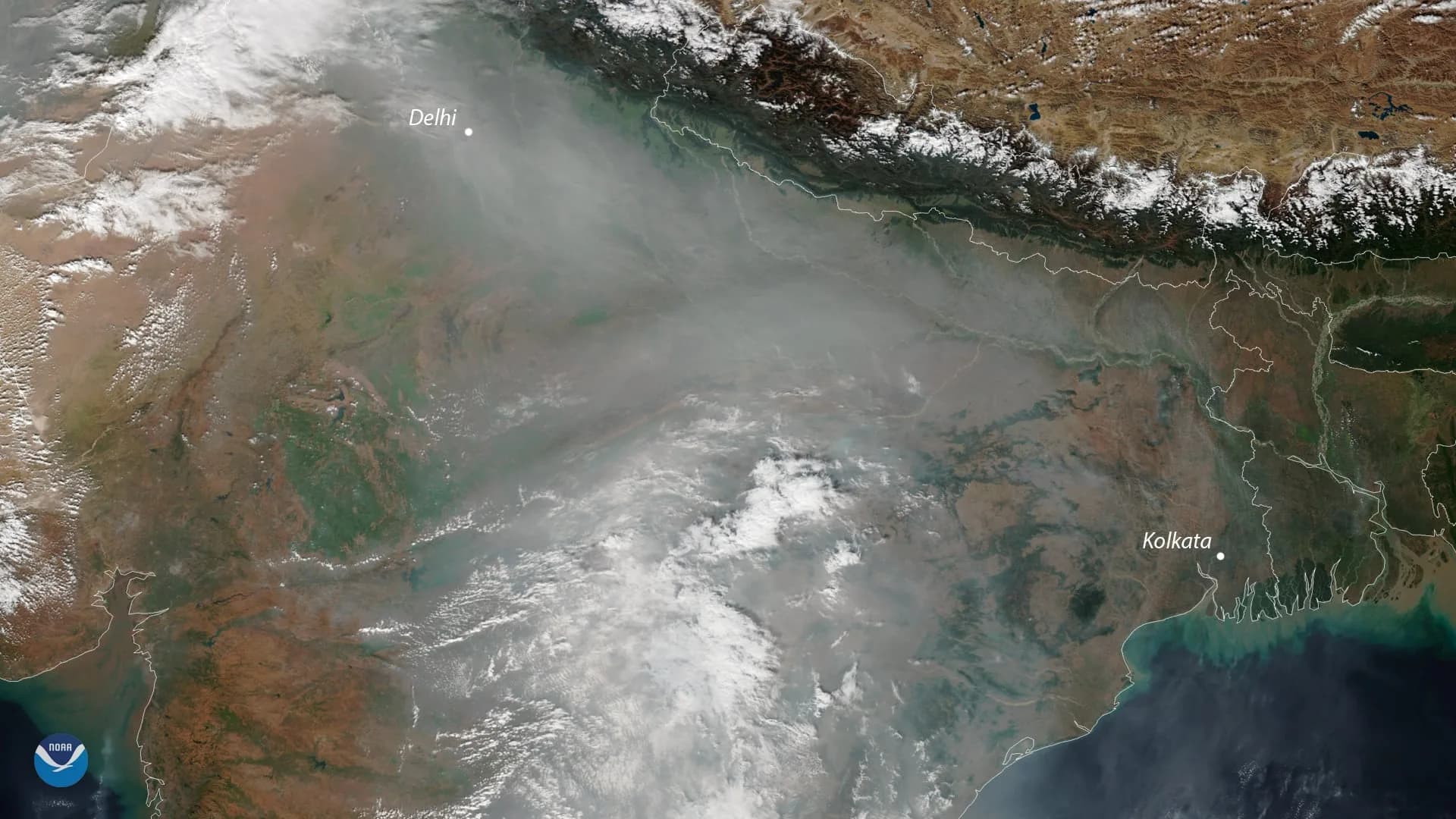
Every year around October and November, a grey haze settles over much of northern India. The air smells smoky, eyes sting, and the news is full of air quality numbers. Many families react by buying masks and air purifiers. But do they work? A review of the research gives a careful answer.
Quick answer
- A well-fitting N95 respirator can reduce your exposure to the tiny particles called PM2.5. A cloth mask is much less reliable.
- A HEPA air purifier can cut indoor PM2.5 by half or more over days to weeks.
- Masks and purifiers help, but do not replace cleaner air. The real fix needs action on pollution at its sources.
- Children, older people and people with heart or lung disease should be most careful.
Why is bad air a health problem?
The World Health Organization (WHO) says fine particles in the air, called PM2.5, cause heart and lung disease and cancers. It estimates that outdoor air pollution caused about 4.2 million premature deaths worldwide in 2019. In that year, 99 percent of the world's people lived in places where the WHO's air quality guideline levels were not met.
The WHO adds that most outdoor pollution is beyond individual control and needs action by governments and industry. Your own steps protect you, but they are not a cure.
How do you know when the air is bad?
Use an air quality index, or AQI, from a reliable source for your city. The US Environmental Protection Agency explains that on its scale, a value of 100 matches the national short-term air quality standard. Above 100, sensitive groups, such as people with heart or lung disease, older adults and children, can be affected first. Above 150, the whole population is at risk. India's own scale uses different bands, so check the one used by your city's official source.
Delhi's authorities use stages of action when the air gets worse. Read our guide to what GRAP is and what each stage allows.
Do masks work?
A review of recent research on household and personal steps to reduce exposure to air pollution, published through the US National Library of Medicine, found:
- N95 respirators work when they fit. Well-fitting N95s, or similar respirators, reduce exposure to PM2.5. In tests with volunteers, leakage through the mask edges was about 9 percent for an N95, compared with 22 to 35 percent for other masks.
- Fit matters most. A mask with gaps around the nose and cheeks lets in polluted air.
- Cloth masks are inconsistent. In one test, cloth masks filtered between 15 and 57 percent of particles, and a surgical mask filtered 79 percent. Improvised materials filtered less than 44 percent in another test. The review says the health benefit of these community masks has not been tested.
- N95s can be uncomfortable. Users found them hard to breathe through.
If you choose an N95, pick one that fits your face. If you have a heart or lung condition, ask your doctor before wearing one for long periods.
Do air purifiers work?
The same review says that HEPA filters can reduce indoor PM2.5 by 50 percent or more over days to two weeks.
There are limits. The drop in what a person actually breathes is smaller than the drop in the room, because people move around. Filters cost money, use electricity and make noise. The review also warns that some devices, such as electrostatic precipitators, can produce ozone. A purifier works best in one room, such as a bedroom, with the door and windows closed.
Should you stay indoors and close windows?
When smoke or smog is at its worst, closing windows cut peak indoor PM2.5 by 12 to 76 percent in studies in the review. But the review also says the evidence that staying indoors improves health is surprisingly limited, and that tightly sealed buildings can trap indoor pollution.
What can your family do?
- Check the AQI before you go out, and plan outdoor exercise for times when the air is better. The EPA advises reducing long or heavy exertion outdoors when air is unhealthy.
- Keep children's outdoor play short on very bad days, because children are more active outdoors and are especially sensitive.
- People with asthma should follow their asthma action plan and keep medicines handy.
When to see a doctor
If you have a cough that does not go away, breathlessness, wheezing, chest pain or unusual tiredness during a smog spell, see a doctor. The EPA says people with heart disease should not assume they are safe just because they have no symptoms.
This article is general information, not medical advice.
Related reading
Sources
This article draws on the following reporting. Dates are when each source was originally published.
- World Health Organization: Ambient (outdoor) air quality and health
- US Environmental Protection Agency: Patient exposure and the Air Quality Index
- PubMed Central (US National Library of Medicine): Individual- and household-level interventions to reduce air pollution exposures and health risks: a review of the recent literature
Written by
Stories, explainers and features published by The Daily, based on public sources that are listed with every article.
More from The Daily →Enjoyed this story?
Get the best of The Daily in your inbox every Sunday.