How Much Water Should You Drink Every Day? A Simple Guide to Staying Hydrated
Forget complicated rules. The NHS says 6 to 8 glasses of fluid a day is a good guide, and the colour of your urine tells you if you are on track.
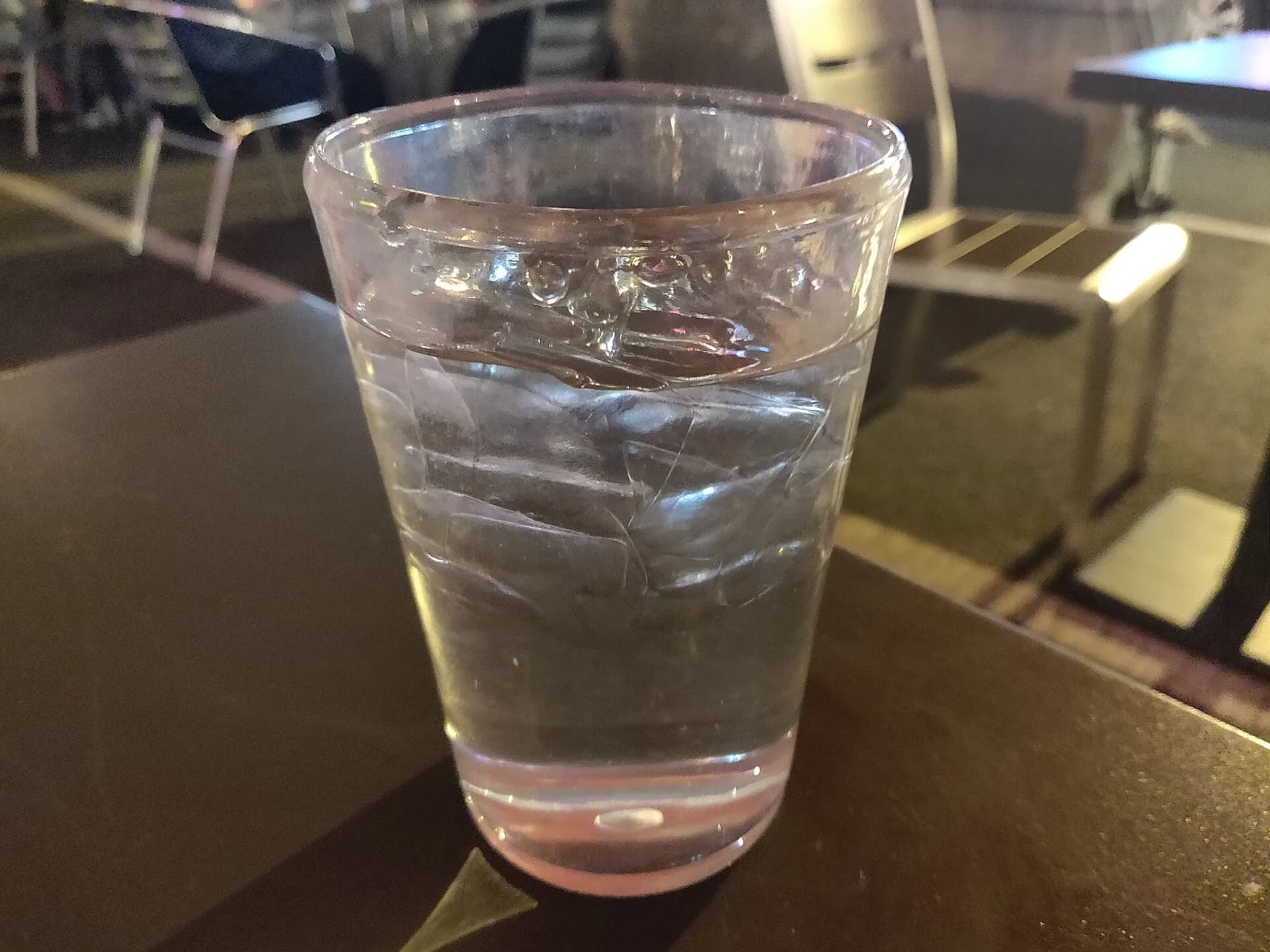
"Drink eight glasses of water a day" is advice most of us have heard. But how much do you really need? The truth is simpler and kinder. You do not need to count every sip. You need to drink regularly through the day, and let your body tell you if you are doing well.
Quick answer
- The NHS suggests 6 to 8 cups or glasses of fluid a day. It calls this a guide that may need to change with your situation.
- More than water counts. Lower-fat milk, tea, coffee and lower-sugar drinks all add to your total.
- Check your urine colour. Pale yellow, like straw, is what you want.
- Drink more in hot weather, when you exercise, or when you are ill.
What is the easiest way to know you are drinking enough?
The NHS says to look at the colour of your urine. If it is clear and pale yellow, you are probably drinking enough. If it is dark, you probably need more fluid. This is a better guide than a fixed number, because your needs change from day to day.
Which drinks count?
The NHS says these count towards your daily fluids:
- Water
- Lower-fat milk
- Lower-sugar drinks, including tea and coffee
Some fluid also comes from food, such as fruit, vegetables and dal or soup. That means you do not need to drink eight full glasses of plain water. Tea and coffee count too, but if you drink a lot of caffeine, read our guide to chai and caffeine.
When do you need more fluid?
The NHS says you may need extra fluids if you are:
- pregnant or breastfeeding,
- in a hot place, which is true for much of India in summer,
- being active for a long time,
- or ill, or recovering from an illness.
When you sweat from exercise, the NHS says water is the best way to replace what you lose.
What about juice, cold drinks and squash?
Sugary drinks are the part of hydration that most often goes wrong. They count as fluid, but they add a lot of sugar and calories, and they can harm your teeth. The NHS advises:
- Keep fruit juice and smoothies to one small glass (150 ml) a day, and have it with a meal.
- Swap sugary drinks for sugar-free or no-added-sugar versions, or dilute squash well.
- Children are best off with water and milk, and should avoid sugary fizzy drinks, squash and juice drinks.
To see how quickly sugar adds up, read added sugar and hidden sugar: simple swaps.
Easy ways to drink more
- Keep a bottle with you. You will sip without thinking about it.
- Drink a glass when you wake up and one with each meal. That alone gives you four glasses.
- Link water to habits. Have a glass after you brush your teeth, before you start work, and after a walk.
- Make plain water more interesting. A slice of lemon, a few mint leaves or cucumber slices add flavour with no sugar.
- Eat water-rich foods. Cucumber, oranges and watermelon add to your fluids.
Do you need to drink at night?
Not much. If you drink a lot just before bed, you may wake up for the toilet. Spread your drinks through the day and have a small amount in the evening. Our sleep guide has more tips for a good night.
When to talk to a doctor
If you feel very thirsty all the time, pass a lot of urine, feel dizzy or confused, or if you have a kidney, heart or other health condition, ask a doctor how much you should drink. Some medical conditions need a different limit from the general guide.
This article is general information, not medical advice.
Related reading
Sources
This article draws on the following reporting. Dates are when each source was originally published.
Written by
Stories, explainers and features published by The Daily, based on public sources that are listed with every article.
More from The Daily →Enjoyed this story?
Get the best of The Daily in your inbox every Sunday.