Protein for Vegetarians: How to Get Enough From Dal, Paneer, Sprouts and Everyday Food
You do not need protein powder to eat well. The NHS, the WHO and India's ICMR agree that a varied vegetarian plate can cover your needs, with extra care for iron and vitamin B12.
"Where do you get your protein?" is a question many vegetarians hear. In India, it is often asked with a worried look. The reassuring answer is that a normal vegetarian Indian plate, built carefully, can give your body what it needs. You just need to know where the protein is.
Quick answer
- The World Health Organization (WHO) says protein should be about 10 to 15 percent of your daily energy, roughly 50 to 75 grams on a 2,000-calorie diet.
- Good vegetarian sources are pulses (dal, rajma, chana), dairy, eggs, nuts, seeds and soya, says the NHS.
- Variety is the key. Eat different protein foods through the week.
- Watch iron and vitamin B12, which are easy to miss.
- India's ICMR advises against protein supplements for building muscle.
What does protein do?
Protein helps build and repair muscles, skin and other tissues, and it is part of enzymes and hormones. You need it every day. But you do not need a huge amount, and you do not need a special product to get it.
Which vegetarian foods give protein?
The NHS lists these good sources:
- Pulses, meaning beans, peas and lentils. In an Indian kitchen, that means dal, rajma, chana, lobia and moong. The NHS calls them a low-fat source of protein that also counts as one of your vegetable portions.
- Nuts and seeds, such as peanuts, almonds and sesame seeds.
- Eggs, if you eat them.
- Soya foods, like tofu and textured vegetable protein, which in India is soya chunks.
- Dairy, such as milk, curd and paneer.
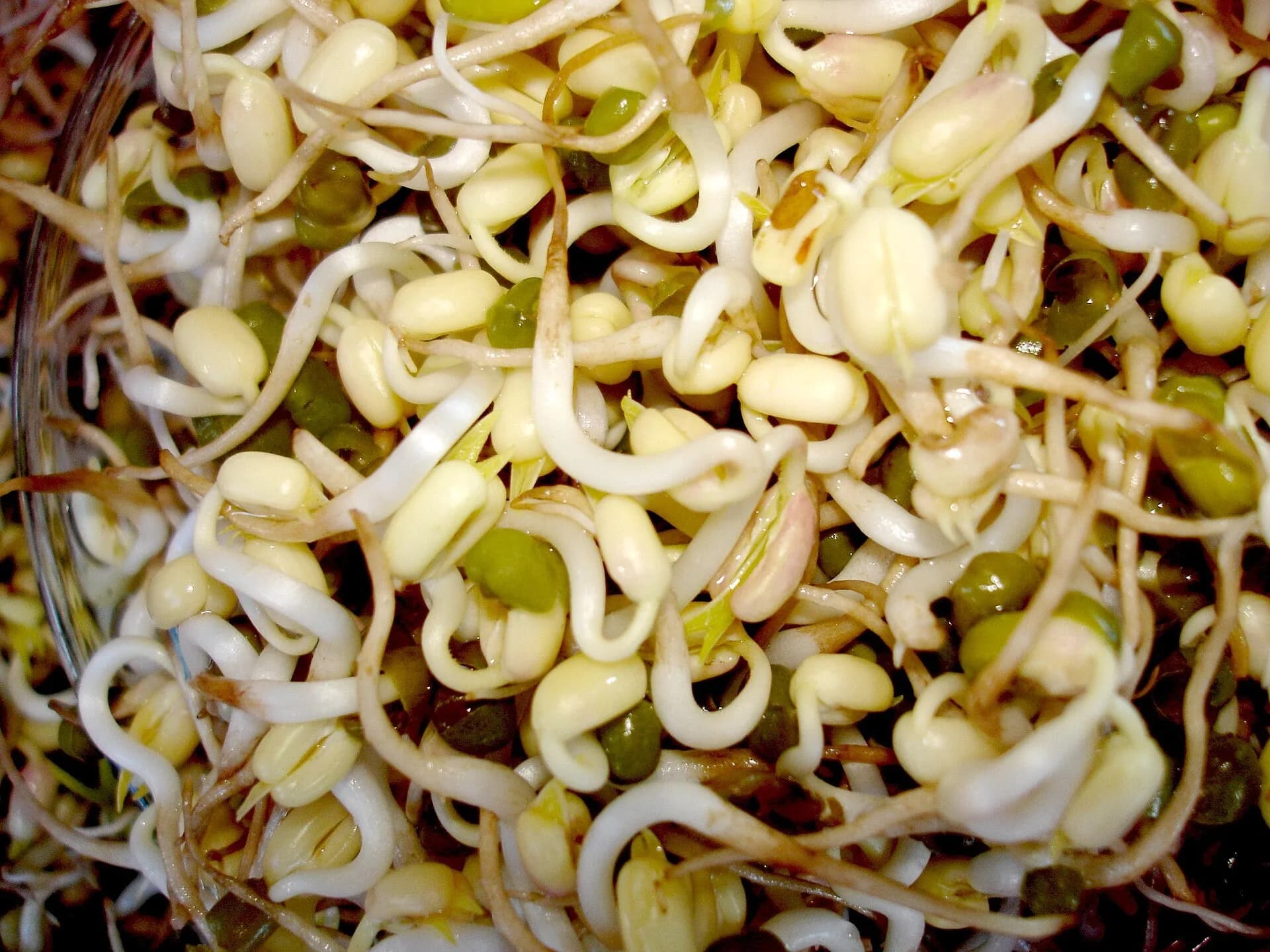
Sprouted moong is a handy snack. Sprouts, a boiled egg, a handful of roasted chana or a glass of milk can all fill the gap between meals.
Do you need to combine foods at every meal?
The NHS says to eat a variety of protein foods to get a good mix of the building blocks called amino acids. You do not need to plan every meal. It is enough to balance across the day or the week. A plate with dal, vegetables, roti or rice, and a bowl of curd is a good example of everyday Indian variety.
What does the ICMR say about the Indian plate?
India's Indian Council of Medical Research and its National Institute of Nutrition released new Dietary Guidelines for Indians in May 2024. News reports say their "My Plate for the Day" model suggests that no more than about 45 percent of calories should come from cereals and millets, up to 15 percent from pulses, beans and meat, and the rest from vegetables, fruit, nuts and milk. In simple words, rice and roti should not crowd out the dal and vegetables on your plate.
Should you buy protein powder?
According to news reports on the guidelines, ICMR advises people to avoid protein supplements for building muscle. The reports say eating large amounts of protein powder for a long time can harm bone health and the kidneys. Real food is the safer choice for most people. If you are an athlete, are ill, or are elderly and not eating well, talk to a doctor or a dietitian before using any supplement.
Two nutrients vegetarians should watch
Iron. The NHS says vegetarians are more likely to have lower iron stores, because iron from plants is harder for the body to absorb. Good plant sources include pulses, dried apricots, dark green leafy vegetables, wholemeal flour and nuts. Add vitamin C to your meal, like a squeeze of lemon on your dal or a piece of fruit, to help your body absorb iron.
Vitamin B12. The NHS says B12 is only found naturally in animal products. If you eat eggs or dairy regularly, you may get enough. If you eat very little of them, or none, you need a reliable source such as fortified foods. Ask a doctor about a blood test or a supplement if you are not sure.
A simple day of vegetarian protein
- Breakfast: moong dal chilla or poha with peanuts, and a glass of milk.
- Lunch: dal, a vegetable, roti or rice, and curd.
- Snack: a bowl of sprouts or roasted chana.
- Dinner: paneer or rajma with vegetables and roti.
That is a day of varied protein with no powders.
This article is general information, not medical advice. If you have kidney disease, are pregnant or are managing a condition, ask a doctor or dietitian about your protein needs.
Related reading
Sources
This article draws on the following reporting. Dates are when each source was originally published.
- NHS: The vegetarian diet
- World Health Organization: Healthy diet: fact sheet
- The South First: ICMR releases Dietary Guidelines for Indians after 13 years, says no to protein supplements
Written by
Stories, explainers and features published by The Daily, based on public sources that are listed with every article.
More from The Daily →Enjoyed this story?
Get the best of The Daily in your inbox every Sunday.