Added Sugar and Hidden Sugar: How Much Is Too Much, and Easy Swaps That Work
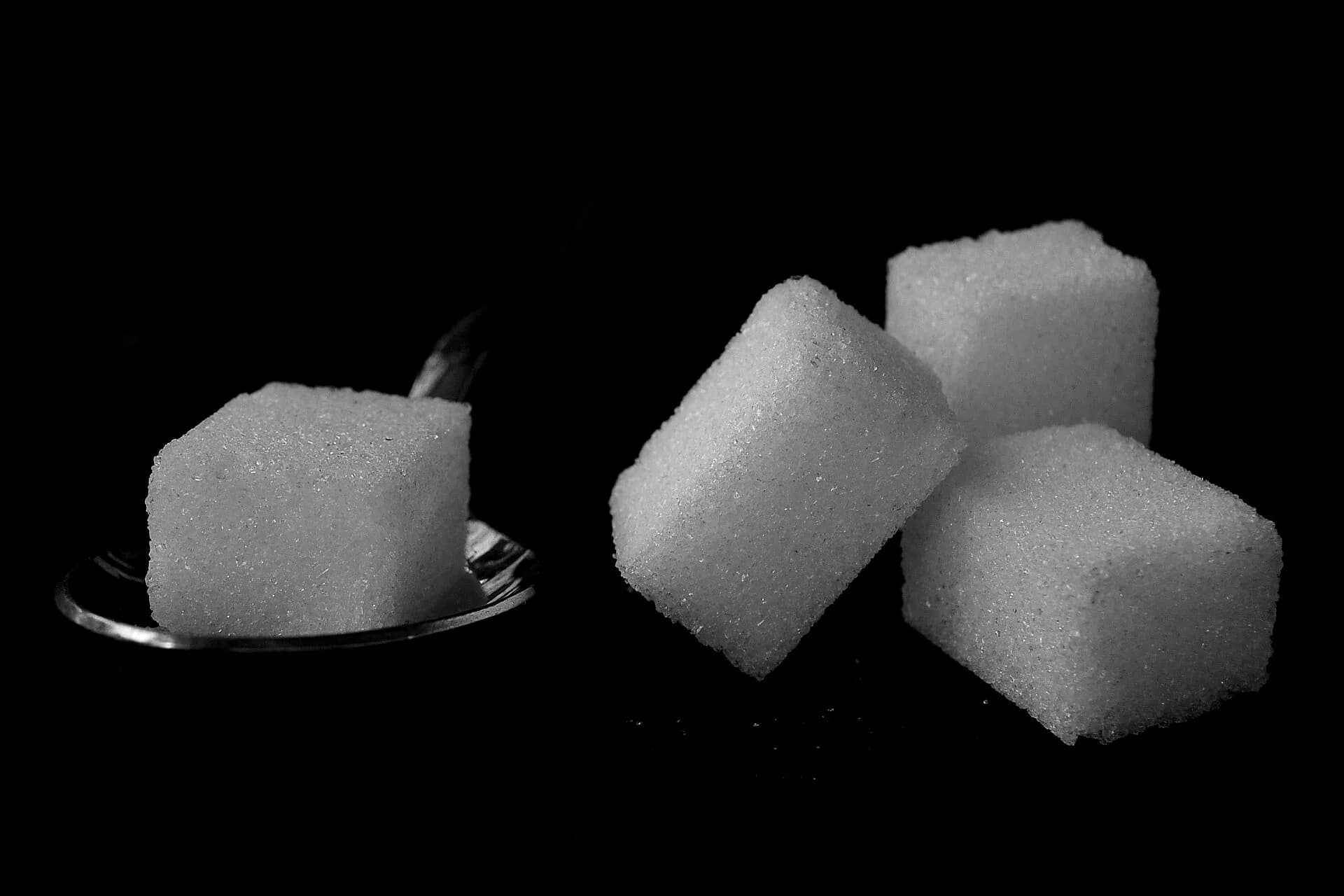
The NHS says adults should have no more than about 30 grams of free sugars a day, roughly seven cubes. A single can of cola can have more. Here is where sugar hides and how to cut it.
Sugar is not a villain in small amounts. The problem is how much of it we eat without noticing. It is in the obvious places, like sweets and cold drinks, and in places we do not expect, like ketchup, flavoured yoghurt and breakfast cereal.
Quick answer
- The NHS says adults should have no more than about 30 grams of free sugars a day, around 7 sugar cubes.
- The World Health Organization (WHO) says to keep free sugars below 10 percent of your daily energy, about 50 grams on a 2,000-calorie diet, and that going below 5 percent may give extra benefits.
- India's ICMR-NIN guidelines of 2024 also say sugar should stay below 5 percent of energy, according to news reports.
- Most of the sugar in our diet comes from drinks and packaged food, not from sugar we spoon in ourselves.
What are "free sugars"?
Free sugars are sugars added to food or drinks, plus the sugars in honey, syrups and fruit juices. The NHS says honey, syrups, nectars, and unsweetened juices and smoothies all count. The sugar inside a whole fruit or in plain milk does not count in the same way. That is why eating a whole orange is different from drinking a glass of juice. Jaggery (gur) and mishri are concentrated sweeteners too, so it is sensible to count them as well.
How much is that in daily life?
The NHS gives these daily limits for free sugars:
- Adults: 30 grams, about 7 cubes
- Children 7 to 10 years: 24 grams, about 6 cubes
- Children 4 to 6 years: 19 grams, about 5 cubes
- Children 2 to 3 years: 14 grams, about 3.5 cubes
The NHS points out that one can of cola can contain up to nine sugar cubes, which is more than an adult's whole day. These limits come from UK guidance. The WHO's 10 percent guide works out to a higher number, about 50 grams, which shows that limits differ between organisations. All of them agree on the main point: less is better.
Where does hidden sugar hide?
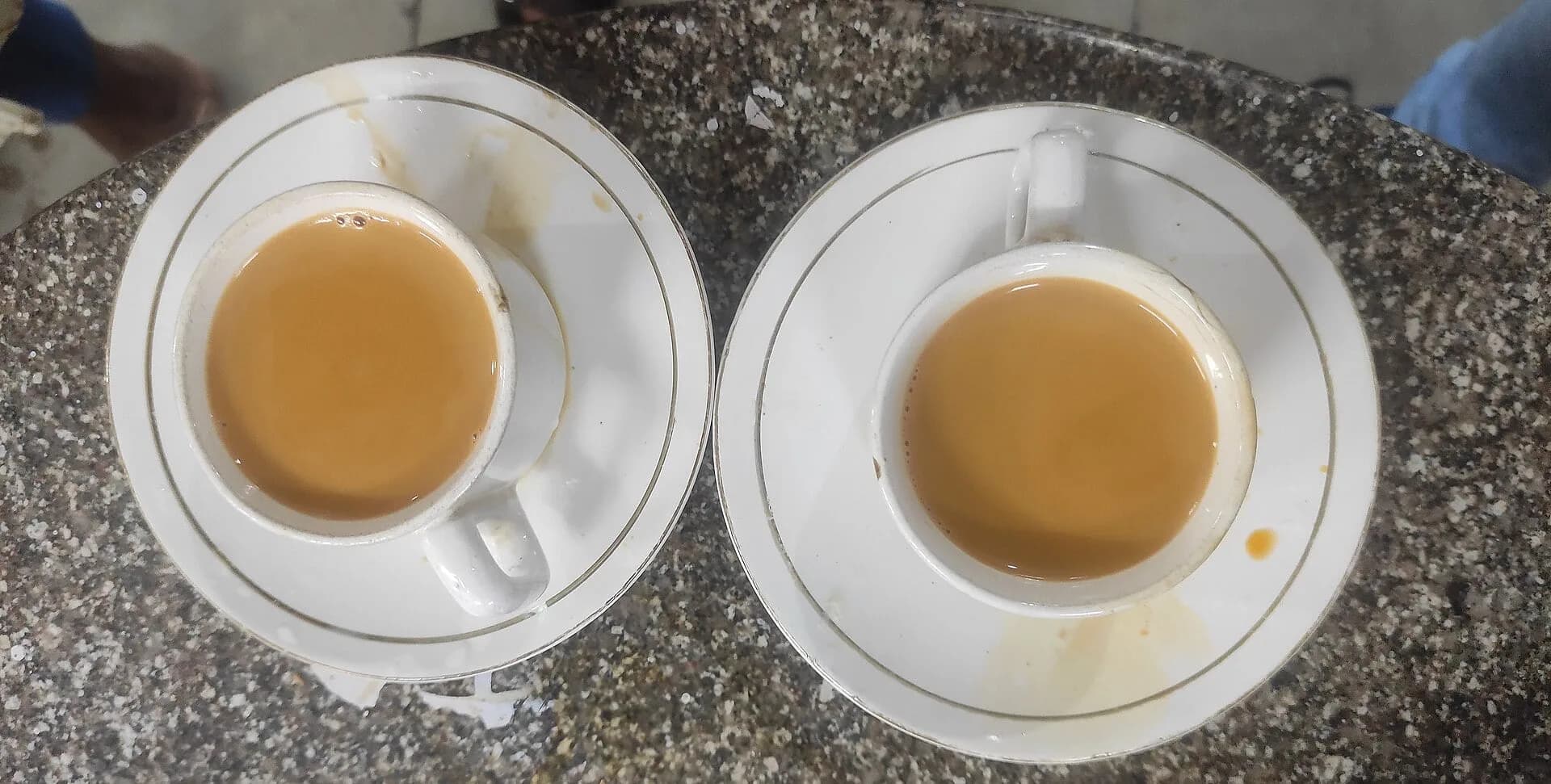
The NHS lists biscuits, chocolate, flavoured yoghurt, breakfast cereal, and fizzy and juice drinks as common sources. Packaged snacks, sauces and "health" drinks can also contain a lot. Chai with two or three spoons of sugar adds up quickly if you drink several cups a day.
How can you spot sugar on a label?
Sugar has many names. On an ingredients list, look for glucose, dextrose, fructose, maltose, molasses, treacle, agave and maple syrup. The NHS says that if sugar appears near the top of the list, the food is likely high in free sugars, because ingredients are listed from largest to smallest.
The NHS also gives a quick rule for labels, per 100 grams:
- High: more than 22.5 grams of sugars
- Medium: more than 5 grams, up to 22.5 grams
- Low: 5 grams or less
Note that "total sugars" includes natural sugars from milk and fruit, so check the ingredients too.
Why does it matter?
The NHS says too much sugar can make you gain weight and can also cause tooth decay. Being overweight raises the risk of heart disease, some cancers and type 2 diabetes. Sugary drinks and juices are a bigger problem for teeth than many people think, and blending or juicing fruit releases its sugars, which can damage teeth.
Seven easy swaps
- Swap cold drinks for water, lower-fat milk or plain nimbu pani with little or no sugar. Our guide to how much water to drink has more ideas.
- Keep juice small. The NHS says to limit juice and smoothies to 150 ml a day, with a meal.
- Cut the sugar in tea and coffee slowly. Take away a quarter of a spoon each week until you are used to it. See chai and caffeine.
- Choose plain yoghurt and add fresh fruit instead of buying the flavoured kind.
- Pick unsweetened cereals, such as plain oats or wholegrain cereals, and add sliced banana.
- Eat dried fruit with meals, not as snacks between meals, says the NHS.
- Use less sugar in home cooking. The NHS says most recipes work with less sugar.
A word on sweeteners
The WHO's healthy diet fact sheet advises against using non-sugar sweeteners as a replacement for sugar. A better plan is to slowly get used to less sweet tastes.
This article is general information, not medical advice. If you have diabetes or another health condition, follow your doctor's advice.
Related reading
Sources
This article draws on the following reporting. Dates are when each source was originally published.
- NHS: How does sugar in our diet affect our health?
- World Health Organization: Healthy diet: fact sheet
- The South First: ICMR releases Dietary Guidelines for Indians after 13 years, says no to protein supplements
Written by
Stories, explainers and features published by The Daily, based on public sources that are listed with every article.
More from The Daily →Enjoyed this story?
Get the best of The Daily in your inbox every Sunday.