Handwashing and Food Safety in the Festive Season: Simple Rules That Prevent Stomach Trouble
Big gatherings, leftover sweets and food left out for hours are a recipe for stomach infections. The CDC and WHO give simple rules: wash well, keep raw and cooked food apart, cook properly and chill quickly.
The festive season is full of good food and big gatherings. Kitchens run all day, sweets are made in bulk, and dishes sit on tables for hours. It is also the time of year when stomach infections spread easily. The good news is that most of them can be prevented with a few basic habits.
Quick answer
- Wash your hands with soap and water for at least 20 seconds, especially before cooking and eating, and after the toilet.
- Keep raw and cooked food apart, with separate boards and plates.
- Cook food through and reheat leftovers until they are steaming hot.
- Do not leave cooked food out for more than two hours, or one hour in very hot weather.
Why does this matter?
The World Health Organization (WHO) says that in 2021, about 866 million people fell ill from contaminated food. That is nearly one in nine people in the world. About 1.52 million people die from it every year. The burden is heaviest in low- and middle-income countries, and children under five carry about 29 percent of it. Small children and people with other illnesses can become very sick.
How to wash your hands properly
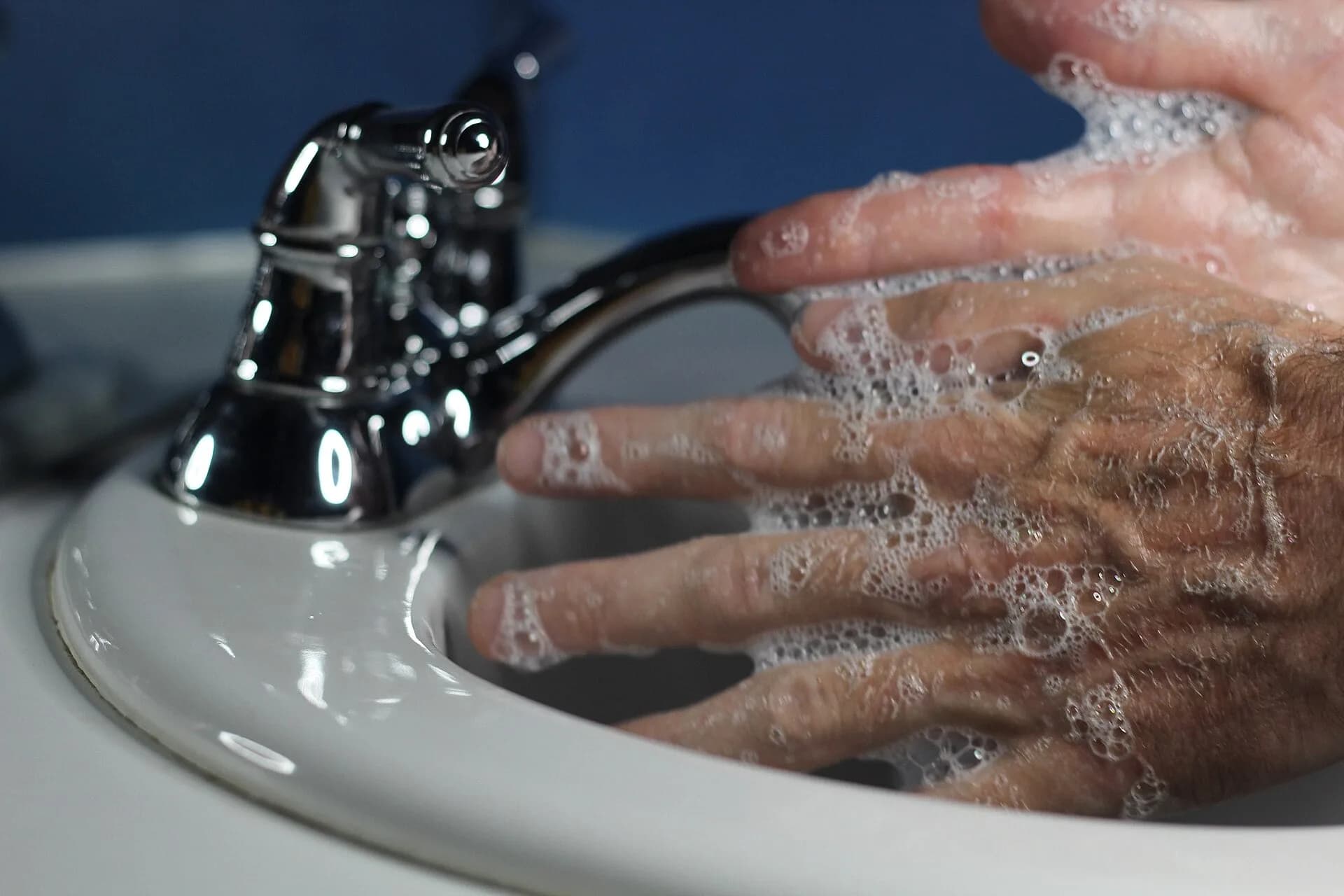
The US Centers for Disease Control and Prevention (CDC) says a quick rinse is not enough. Follow these five steps:
- Wet your hands with clean running water, turn off the tap, and apply soap.
- Lather well. Cover the backs of your hands, between your fingers and under your nails.
- Scrub for at least 20 seconds. Humming a song twice through is a handy timer.
- Rinse well under clean running water.
- Dry with a clean towel or an air dryer.
When should you wash?
The CDC says to wash:
- before, during and after preparing food, and before eating,
- after using the toilet or changing a child's nappy,
- after blowing your nose, coughing or sneezing,
- after touching animals, pet food or rubbish,
- before and after caring for someone who is sick, and before and after treating a cut.
Soap or sanitiser?
Soap and water is the best option in most situations. If you have none, use an alcohol-based hand sanitiser with at least 60 percent alcohol, and check the label.
Four simple food safety rules
The CDC groups kitchen safety into four steps.
1. Clean
Wash your hands for 20 seconds before and during cooking. Wash cutting boards, knives and counters with hot, soapy water after each food. Rinse fruit and vegetables under running water. The CDC says not to wash raw chicken, because the splashing can spread germs around the kitchen.
2. Separate
Keep raw meat, poultry, fish and eggs away from other foods in your shopping bag and your fridge. Store them in sealed containers so juices do not drip. Use one chopping board for raw meat and another for vegetables and bread. This also protects vegetarian food in mixed households.
3. Cook
Colour and texture are not reliable signs that food is done. The CDC recommends a food thermometer. It gives these safe internal temperatures:
- Beef, pork, lamb and fish: 145°F (63°C)
- Ground (minced) beef and pork: 160°F (71°C)
- Poultry and leftovers: 165°F (74°C)
Reheat leftovers until they are steaming hot all the way through.
4. Chill
The CDC says bacteria multiply fastest between 40°F (4°C) and 140°F (60°C). So:
- Do not leave perishable food out for more than 2 hours. In hot weather above 90°F (32°C), the limit is 1 hour.
- Refrigerate leftovers promptly, in several shallow containers so they cool quickly.
- Keep the fridge at 40°F (4°C) or colder.
- Thaw food in the fridge, in cold water or in a microwave, not on the kitchen counter.
Festive-season tips
- Serve food in small batches and refill, so dishes do not sit out all evening.
- Keep chutneys, curd-based dishes, cut fruit and milk sweets cool until serving, since they spoil quickly in warm rooms. The CDC rules above apply to all perishable food.
- Pack gifts and tiffin carefully. Fresh food should not travel for many hours in the heat. See our healthy tiffin guide.
- Stay home if you are ill with vomiting or diarrhoea, and do not prepare food for others.
When to see a doctor
Mild stomach upsets often pass in a day or two, but see a doctor if there is blood in the stool, a high fever, signs of dehydration, severe pain or vomiting that will not stop. Take young children and older people to a doctor sooner.
This article is general information, not medical advice.
Related reading
Sources
This article draws on the following reporting. Dates are when each source was originally published.
- US Centers for Disease Control and Prevention (CDC): About handwashing
- US Centers for Disease Control and Prevention (CDC): Four steps to food safety
- World Health Organization: Food safety: fact sheet
Written by
Stories, explainers and features published by The Daily, based on public sources that are listed with every article.
More from The Daily →Enjoyed this story?
Get the best of The Daily in your inbox every Sunday.