Desk Job? How to Fix Sitting Too Long With Five-Minute Stretch Breaks
Many adults sit for more than seven hours a day. The NHS and the WHO both say the answer is not just exercise, but moving more through the whole day.
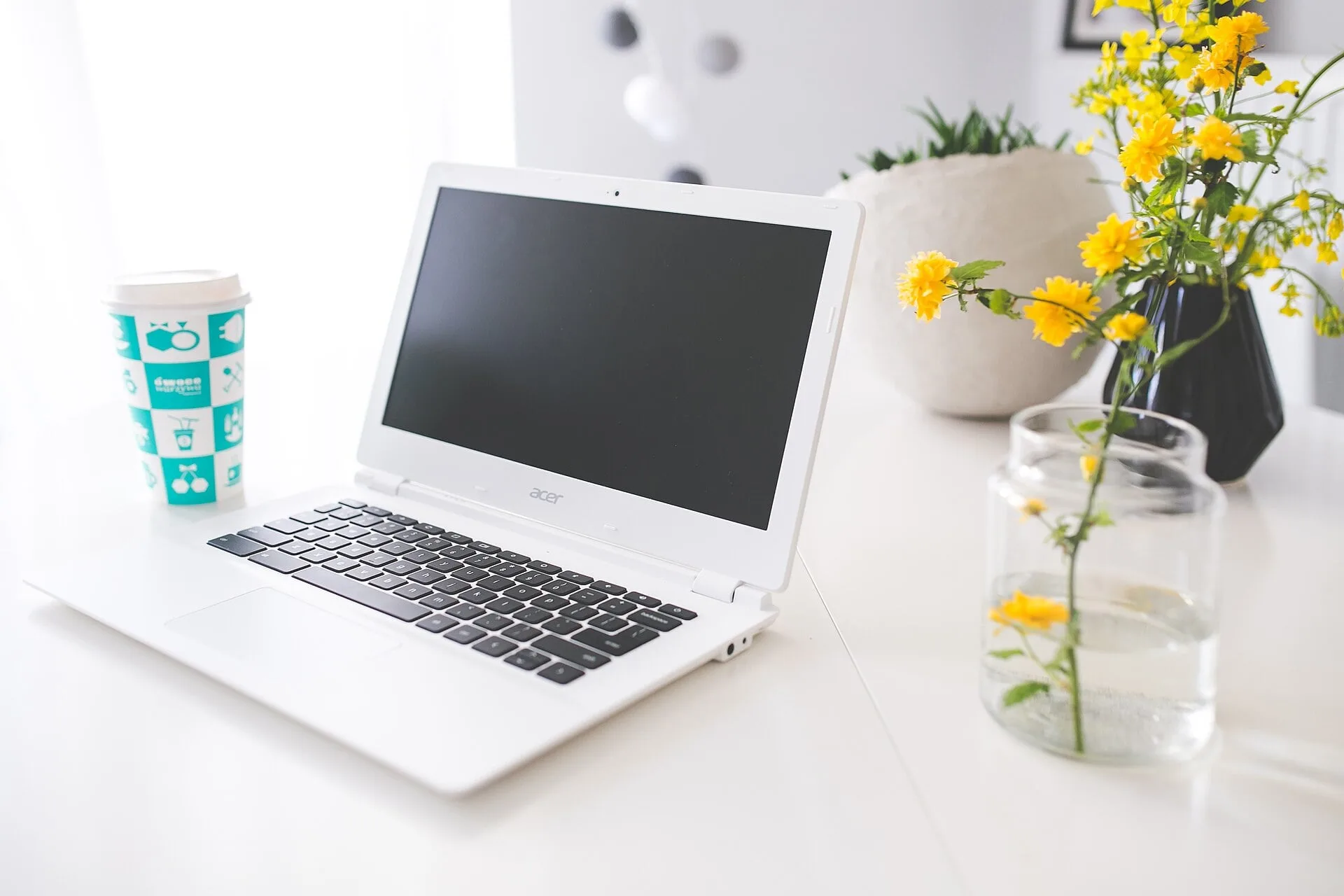
Think about your day. You sit in a vehicle or train to get to work. You sit at your desk. You sit to eat lunch. At night, you sit to watch TV or scroll on your phone. For many of us, that adds up to most of the day on a chair.
Quick answer
- Sitting for long periods is linked to heart disease, stroke, type 2 diabetes and weight gain, says the NHS.
- You can exercise for the recommended time and still be at risk if you spend the rest of the day sitting or lying down.
- The answer is to break up your sitting and move a little more all day, not only at the gym.
- Short stretch breaks of one to five minutes are a good place to start.
How bad is sitting really?
The NHS says many adults in the UK sit for more than seven hours a day, and people aged 65 and over often sit or lie down for ten hours or more. It notes that being inactive for long periods is linked to heart disease, stroke, type 2 diabetes, weight gain and obesity. Sitting is not a Western problem. It follows desk jobs, long commutes, and long screen hours everywhere, including Indian cities.
The World Health Organization (WHO) agrees. It says all age groups should limit the time they spend sitting, reclining or lying down while awake. It also says that "any amount of physical activity is better than none", and that muscle-strengthening exercise benefits everyone. According to the WHO, about 31 percent of adults around the world do not do enough activity.
How much exercise should you do?
Both the NHS and the WHO say adults should aim for at least 150 minutes of moderate activity a week. Moderate means your heart beats faster and you breathe harder, but you can still talk, though not sing. A brisk walk is a good example. Try our guide to walking after meals for an easy start.
But the NHS also warns that this alone is not enough if you sit for the rest of the day. Think of it like this: exercise is one part of the plan, and sitting less is another.
How often should you take a break?
Neither the NHS nor the WHO sets an exact number of minutes between breaks. So use a rhythm that suits you. Some simple ideas:
- Stand up when you finish a task, a call or a meeting.
- Set a gentle timer on your phone or watch.
- Take your phone calls standing or walking.
- Drink water regularly. You will need to get up to refill your bottle and use the toilet. Our guide to hydration has more tips.
Five easy stretch breaks at your desk
These need no equipment and take about a minute each. Move slowly, breathe normally, and stop if anything hurts.
1. Stand and reach. Stand up, raise both arms over your head and stretch up for a few seconds. Lower your arms and relax.
2. Shoulder rolls. Roll your shoulders backwards in slow circles, five times. Then roll them forward, five times.
3. Neck turns. Look slowly over your right shoulder, hold for a few seconds, and then look over your left. Do not force your neck.
4. Calf raises. Hold the back of your chair. Rise up on your toes, and then lower slowly. Repeat ten times. It wakes up the legs and helps your blood flow.
5. Wrist and finger stretch. Hold one arm out, palm facing down, and gently pull your fingers back with the other hand. Hold for a few seconds, then switch.
Pair these with a short walk around the office floor or to the window. Looking at something far away also rests your eyes, which helps if screens bother you. See our guide to screen eye strain and the 20-20-20 rule.
Small changes that add up
- Take the stairs instead of the lift for one or two floors.
- Walk to a colleague instead of sending a message.
- Walk or cycle for short trips instead of using a vehicle, as the NHS suggests.
- Cut down on sitting in your free time. The NHS lists TV, computers and sitting to read or chat as sedentary habits you can reduce.
Who should be careful?
If you have back pain, joint problems, heart disease or another health condition, ask your doctor what kind of movement is safe for you. If a stretch causes pain, dizziness or numbness, stop.
This article is general information, not medical advice.
Related reading
Sources
This article draws on the following reporting. Dates are when each source was originally published.
- NHS: Why sitting too much is bad for us
- World Health Organization: Physical activity: fact sheet
Written by
Stories, explainers and features published by The Daily, based on public sources that are listed with every article.
More from The Daily →Enjoyed this story?
Get the best of The Daily in your inbox every Sunday.