Vande Mataram at 150: The Story of India's National Song as the Year-Long Celebration Nears Its End
Written by Bankim Chandra Chatterjee in 1875, the song became the war cry of the freedom movement. The national commemoration closes on November 7, 2026. Here is its history, and the debates around it.
On November 7, 2026, Vande Mataram, India's national song, completes 150 years. The date also marks the end of a year-long national commemoration that began in November 2025, with mass singing, a Republic Day tableau and even a Durga Puja pandal in Kolkata built around the song this month.
Here is the story of the song: how it was written, how it became the cry of the freedom movement, and why only part of it is sung officially.
Quick answer
- Written by: Bankim Chandra Chatterjee (Chattopadhyay), the Bengali novelist.
- When: composed, according to the official account, on November 7, 1875, and later included in his novel Anandamath (1882).
- Meaning: "I bow to you, Mother", a hymn to the motherland.
- Status: India's national song, given equal honour with the national anthem, Jana Gana Mana, on January 24, 1950.
- 150th year: commemorated from November 7, 2025 to November 7, 2026.
How the song was born
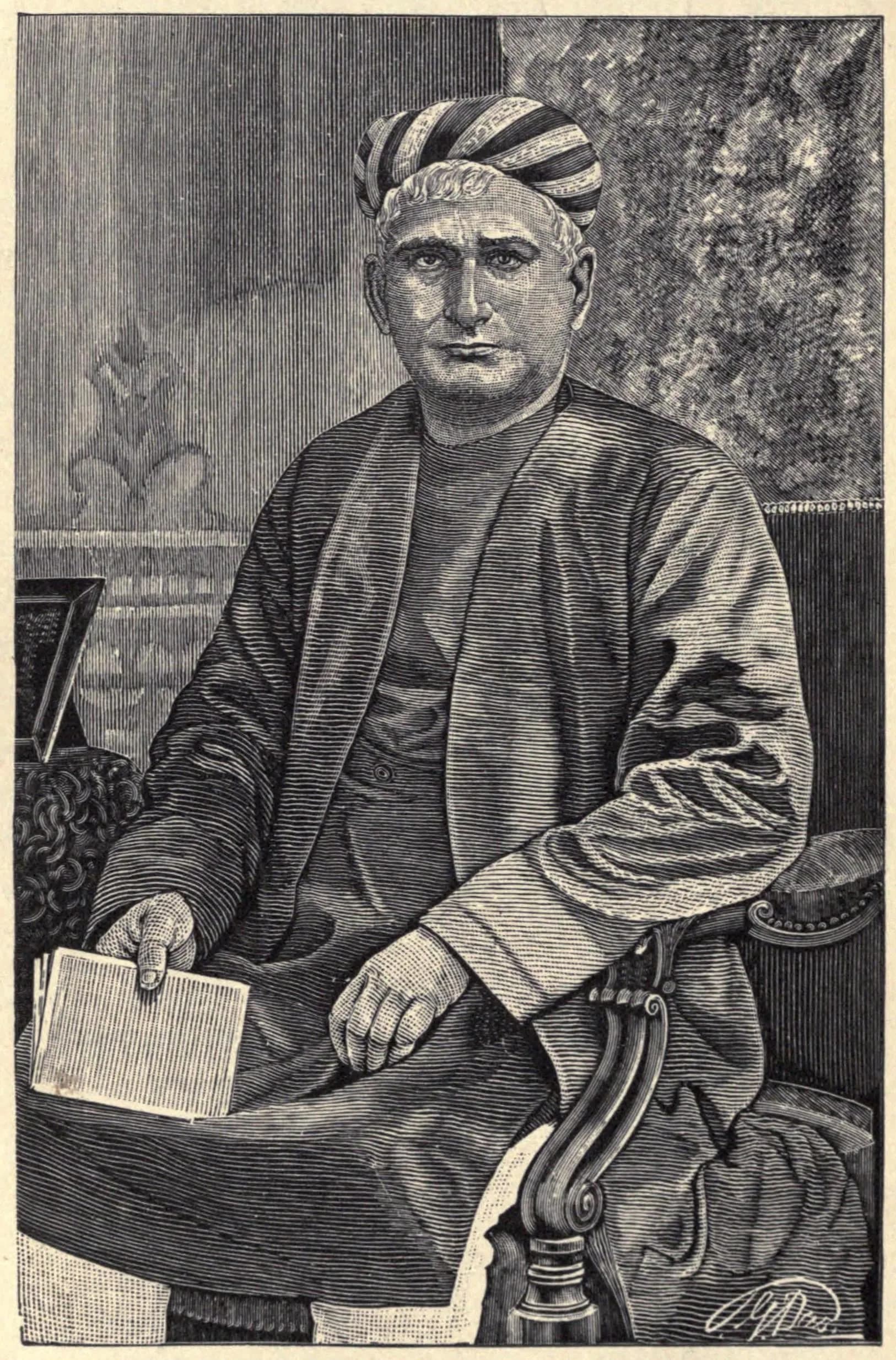
Bankim Chandra Chatterjee was a deputy magistrate in the British government and one of the founders of the modern Bengali novel. He wrote Vande Mataram in Sanskritised Bengali, describing the motherland as a goddess: "sujalam, suphalam", rich with water and fruit, cooled by breezes and green with crops.
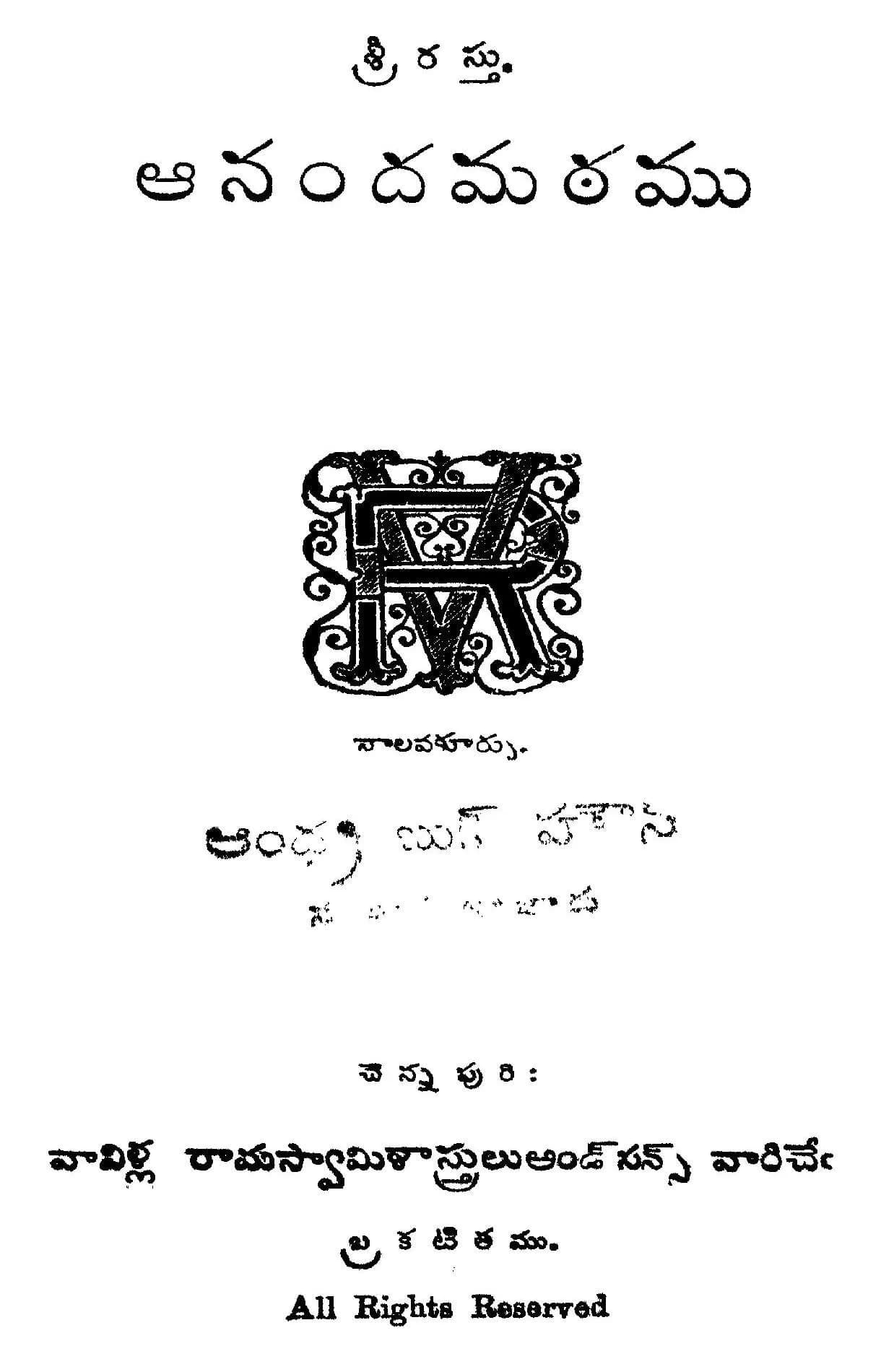
The poem was published in his journal Bangadarshan and became part of his novel Anandamath in 1882. The novel is set during the Sannyasi Rebellion of the late 18th century, when bands of ascetics fought the East India Company, and the song is sung by its rebel monks.
From poem to war cry
The song spread quickly beyond literature:
- 1896: Rabindranath Tagore set it to music and sang it at the Calcutta session of the Indian National Congress, according to All India Radio.
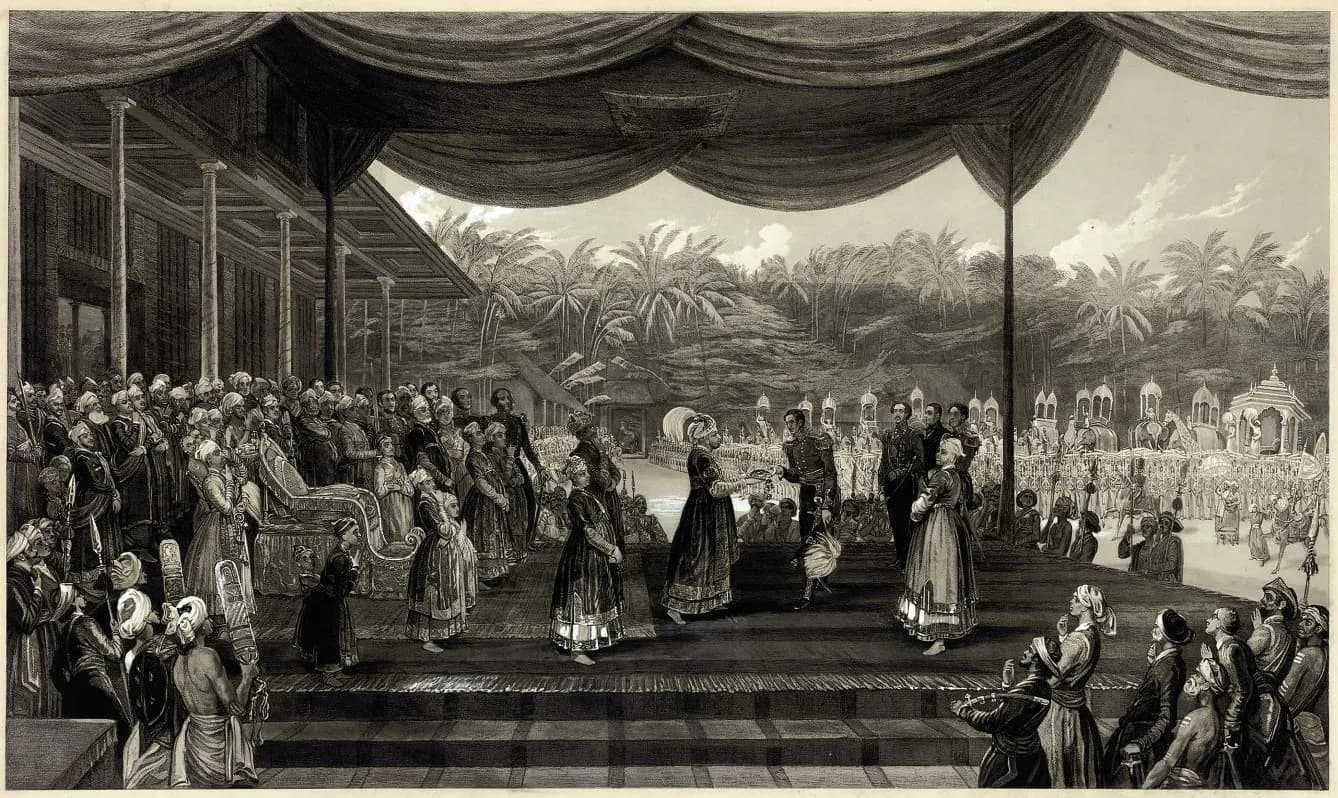
- 1905: during the protests against the Partition of Bengal, "Vande Mataram" became the slogan of the Swadeshi movement. The British tried to ban it from schools and public meetings, which only made it more popular.
- Revolutionaries from Bengal to Punjab used it as a rallying cry, and it remained the cry of the freedom movement through to Quit India in 1942.
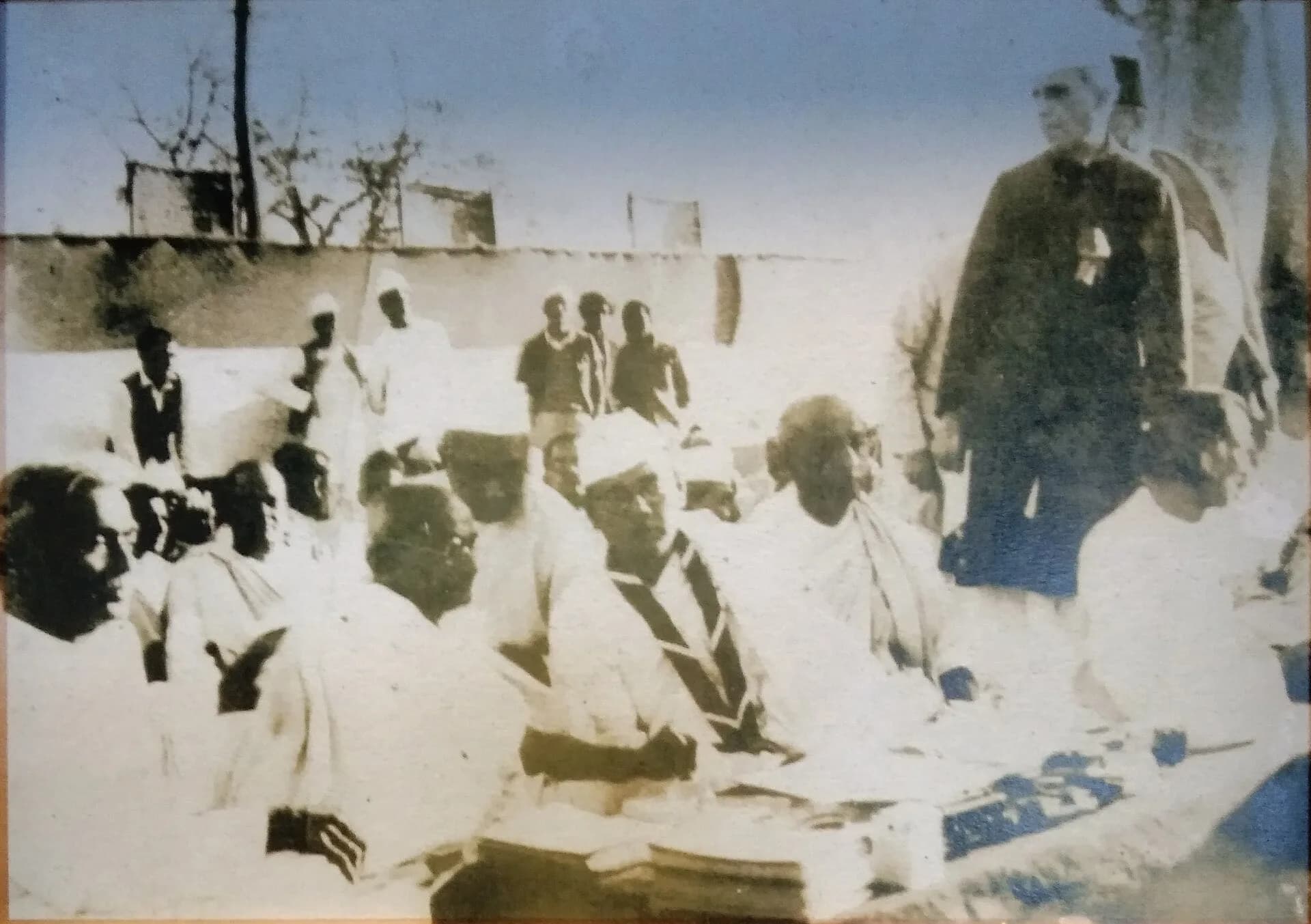
On the night of August 14, 1947, the Constituent Assembly session at which Jawaharlal Nehru made his "Tryst with Destiny" speech began with the singing of Vande Mataram.
Why only two stanzas are sung
The full poem has six stanzas. The later stanzas describe India as the goddess Durga, armed and powerful. In the 1930s, some Muslim leaders objected that this religious imagery excluded them.
In 1937, the Congress Working Committee decided that only the first two stanzas, which praise the land's natural beauty, would be sung at national gatherings. That remains the official version today.
National song, not national anthem
The Constituent Assembly debated for a long time whether Vande Mataram or Jana Gana Mana should be the anthem. On January 24, 1950, Assembly President Dr Rajendra Prasad settled it with a statement rather than a vote: Jana Gana Mana would be the national anthem, and Vande Mataram, which had "played a historic part in the struggle for Indian freedom", would be honoured equally with it.
The two have different roles. The national anthem is protected by a specific law on insults to national honour, and has an official playing time of 52 seconds; the national song has no such fixed rules. The debate about whether singing it should ever be compulsory has returned from time to time in politics and courts.
How the 150th year was marked
- November 7, 2025: Prime Minister Narendra Modi opened the commemoration in New Delhi, releasing a commemorative coin and postage stamp and launching the portal vandemataram150.in, where citizens could record themselves singing.
- Republic Day 2026: the Ministry of Culture's tableau at the parade was themed "Swatantrata Ka Mantra: Vande Mataram".
- Har Ghar Tiranga 2026 was dedicated to the song's 150th year.
- Durga Puja 2026: Kolkata's Santosh Mitra Square pandal has made the 150 years of Vande Mataram its theme, with a Partition-era train and a light-and-sound show. Read our guide to Kolkata's pandal themes.
No official programme for the closing day had been published as of mid-October. Check the Ministry of Culture and the official portal for updates.
Why it still matters
For many Indians, Vande Mataram is a direct link to the freedom struggle: the words people shouted at protests, sang in jail and wrote on banners. Its history also shows how India's founders tried to balance strong national symbols with the country's many faiths, a balance that is still debated today.
Related reading
Sources
This article draws on the following reporting. Dates are when each source was originally published.
- Greater Kashmir: PM Modi launches year-long commemoration of 150 years of 'Vande Mataram'
- All India Radio News: India celebrates 150 years of its iconic national song, Vande Mataram
- Ministry of Culture: Republic Day 2026: Ministry of Culture showcases 'Vande Mataram' tableau celebrating 150 years
- Constitution of India (CLPR): Between reverence and controversy: Vande Mataram in India's constitutional history
Written by
Stories, explainers and features published by The Daily, based on public sources that are listed with every article.
More from The Daily →Enjoyed this story?
Get the best of The Daily in your inbox every Sunday.