Rabi MSP 2027-28: Wheat Gets Just ₹25 More at ₹2,610, While Mustard, Masur and Safflower See Big Hikes. What It Means
The Cabinet has raised minimum support prices for all six rabi crops ahead of winter sowing. The smallest rise is for wheat, the biggest for oilseeds and pulses. Here is the full list and what it signals.
Every year before winter sowing, the government announces the minimum support price (MSP) for rabi crops: the price at which it promises to buy them from farmers. On September 30, the Cabinet Committee on Economic Affairs raised MSPs for all six rabi crops for the 2027-28 marketing season.
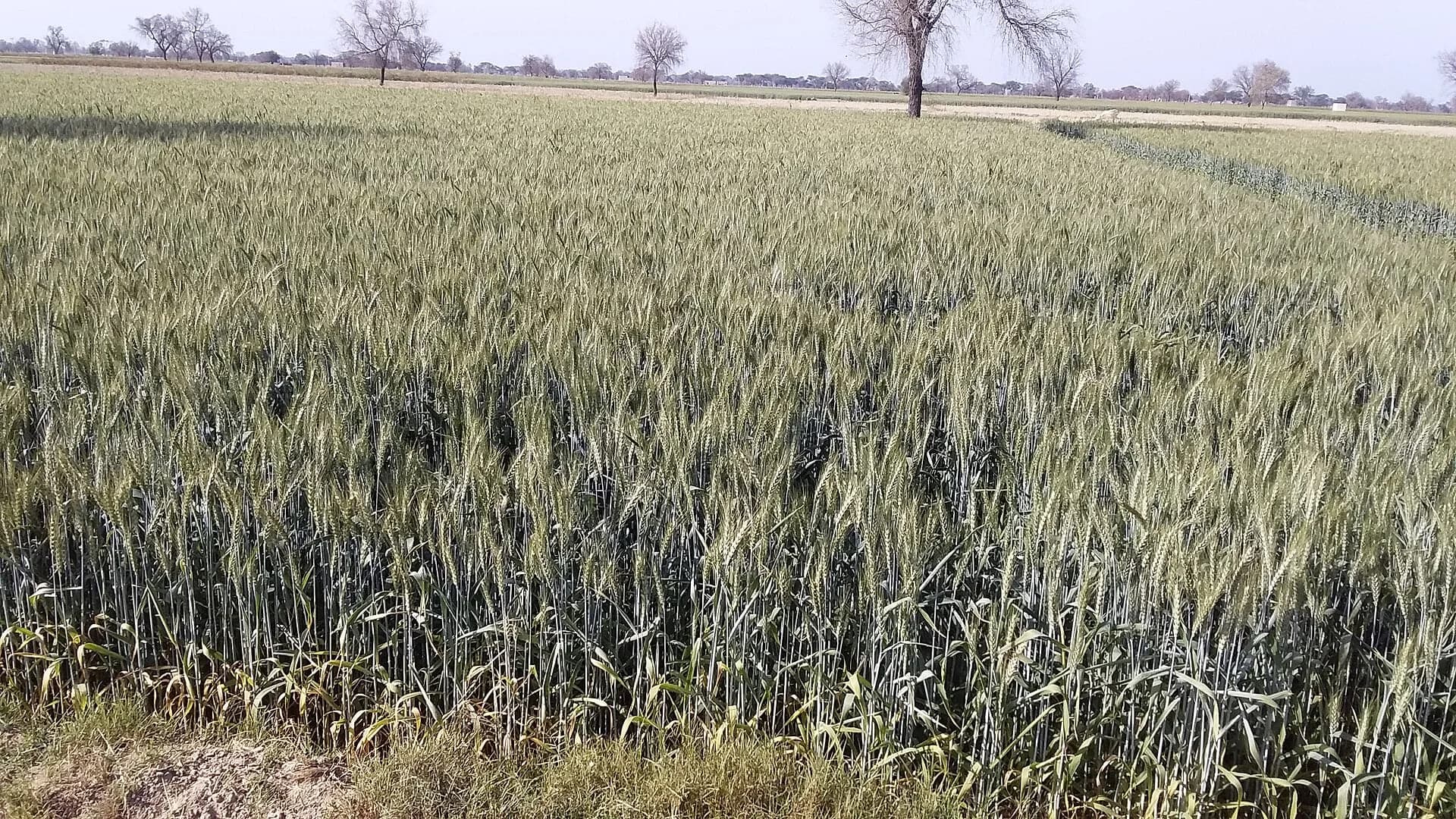
The headline surprise: wheat gets only a ₹25 increase, to ₹2,610 per quintal. Oilseeds and pulses, on the other hand, get much bigger hikes.
Quick answer
- Wheat: ₹2,610 per quintal, up ₹25 (from ₹2,585).
- Biggest rise: safflower, up ₹675 to ₹7,215.
- Mustard: up ₹413 to ₹6,613. Masur (lentil): up ₹390 to ₹7,390.
- Why it matters: the government is using price signals to push farmers towards oilseeds and pulses, which India imports in large quantities.
- When: these prices apply to crops sown now and sold from around March-April 2027.
The full list
MSP per quintal, 2027-28 marketing season (2026-27 price in brackets):
- Wheat: ₹2,610 (₹2,585), +₹25
- Barley: ₹2,286 (₹2,150), +₹136
- Gram (chana): ₹5,958 (₹5,875), +₹83
- Masur (lentil): ₹7,390 (₹7,000), +₹390
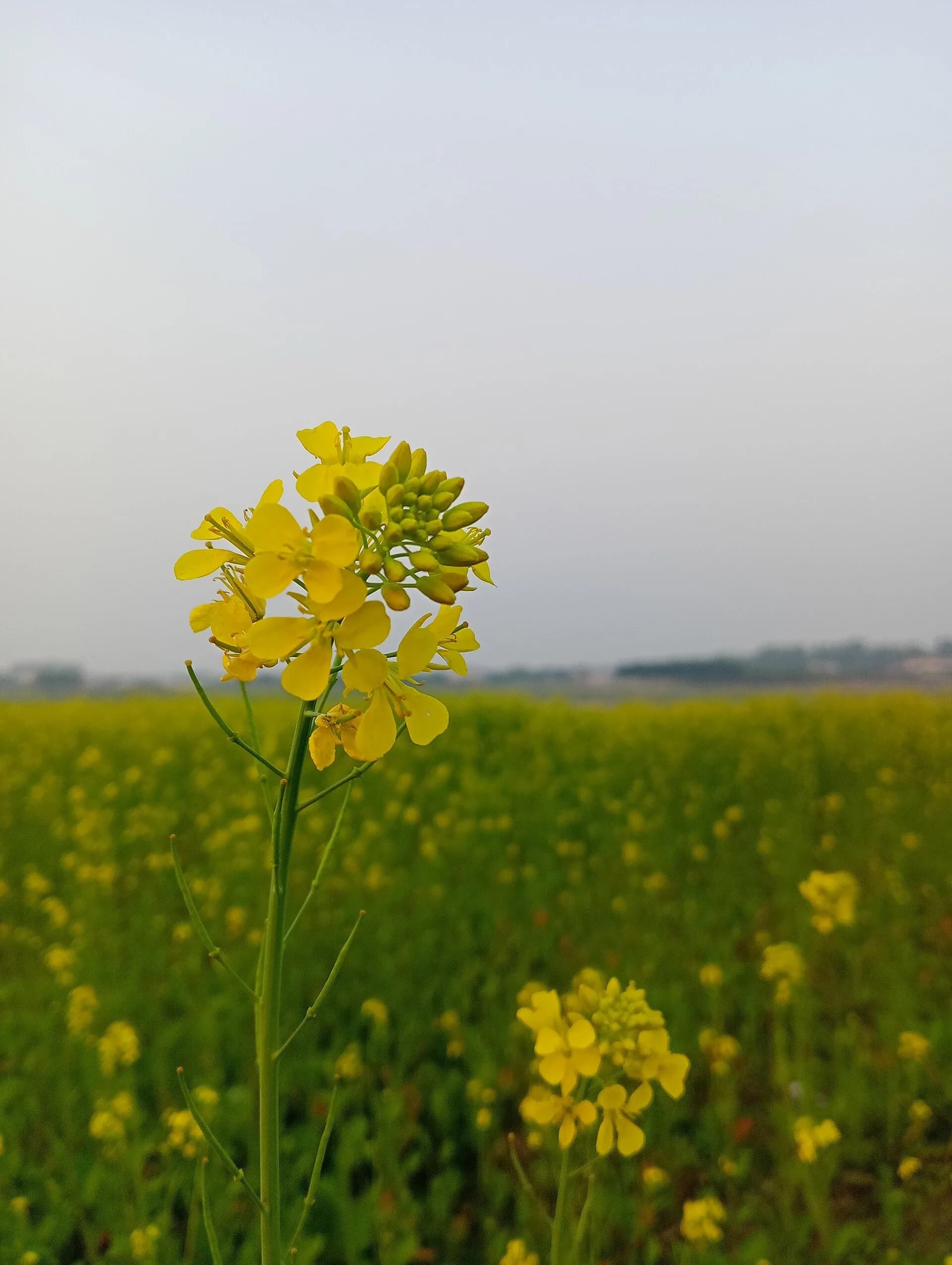
- Rapeseed and mustard: ₹6,613 (₹6,200), +₹413
- Safflower: ₹7,215 (₹6,540), +₹675
Rabi and kharif: a quick refresher
India has two main crop seasons. Kharif crops, such as paddy, cotton and soybean, are sown with the monsoon in June and July and harvested in autumn. Rabi crops, such as wheat, mustard, gram and masur, are sown after the monsoon, from October to December, and harvested from March to April. The government announces rabi MSPs at the end of September so that farmers know the support prices before they decide what to sow.
How is MSP calculated?
MSP is recommended by the Commission for Agricultural Costs and Prices (CACP) and approved by the Cabinet. Since the Union Budget 2018-19, the government has committed to setting MSP at at least 1.5 times the all-India average cost of production, which covers paid-out costs such as seeds, fertiliser, labour and fuel, plus the value of family labour.
By that measure, wheat already looks very profitable on paper. Reports put wheat's estimated cost of production at about ₹1,264 per quintal, so the new MSP gives an expected margin of about 106% over cost, the highest of the six crops. Safflower's margin is the minimum 50%.
Why such a small rise for wheat?
The ₹25 rise is far smaller than last year, when wheat MSP rose by ₹160. A few reasons are likely:
- Margin is already high. Wheat's MSP is already about double its estimated cost, well above the 1.5-times rule.
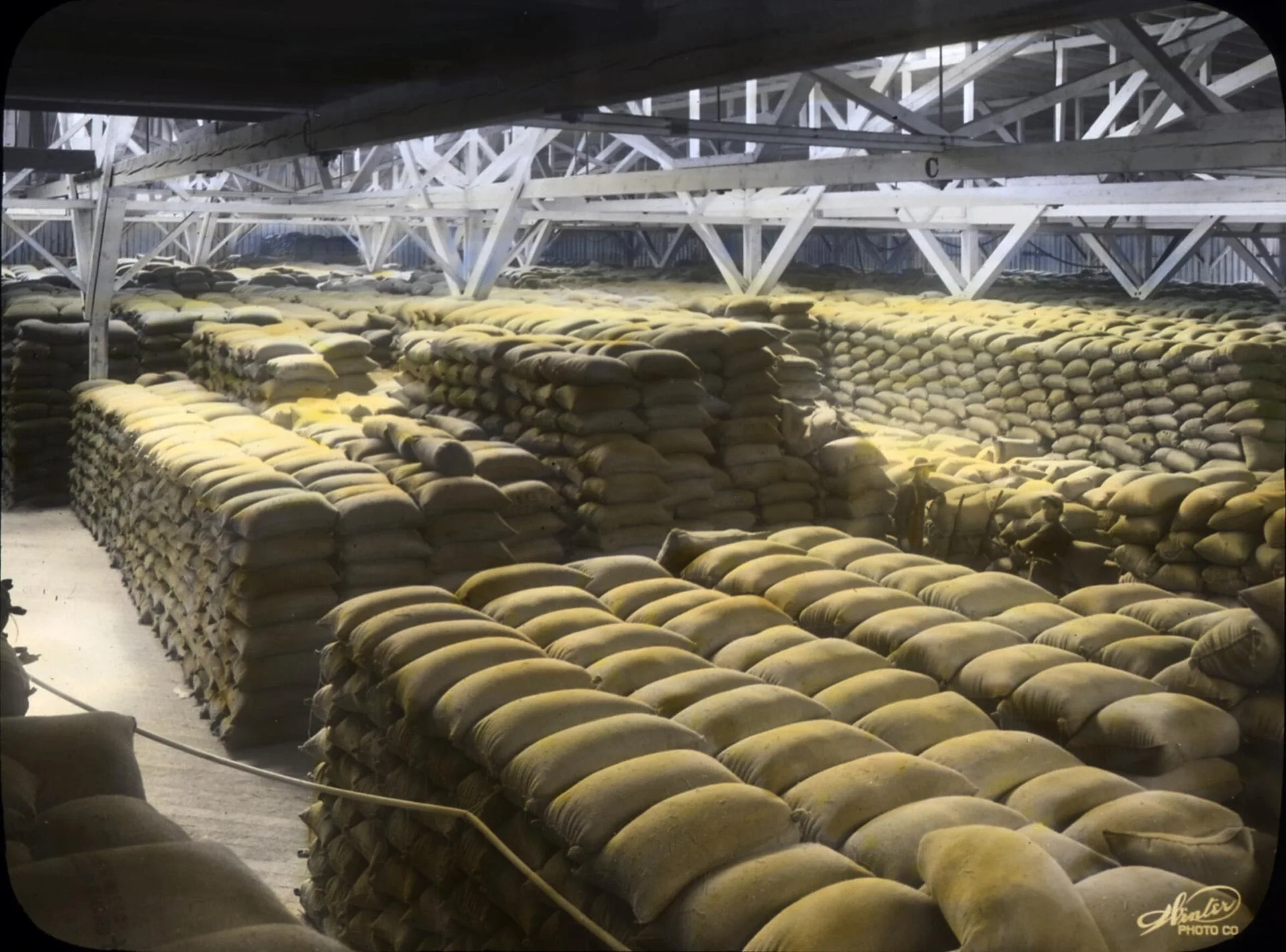
- Large stocks. The government buys huge quantities of wheat for the public distribution system, and big stocks reduce the need to encourage even more production.
- Diversification. Keeping wheat increases small makes other crops relatively more attractive, especially in Punjab and Haryana, where groundwater is under severe strain from the wheat-paddy cycle.
Farmer groups have often argued that official cost estimates understate real costs, and that MSP is meaningful only where the government actually buys the crop.
The push for oilseeds and pulses
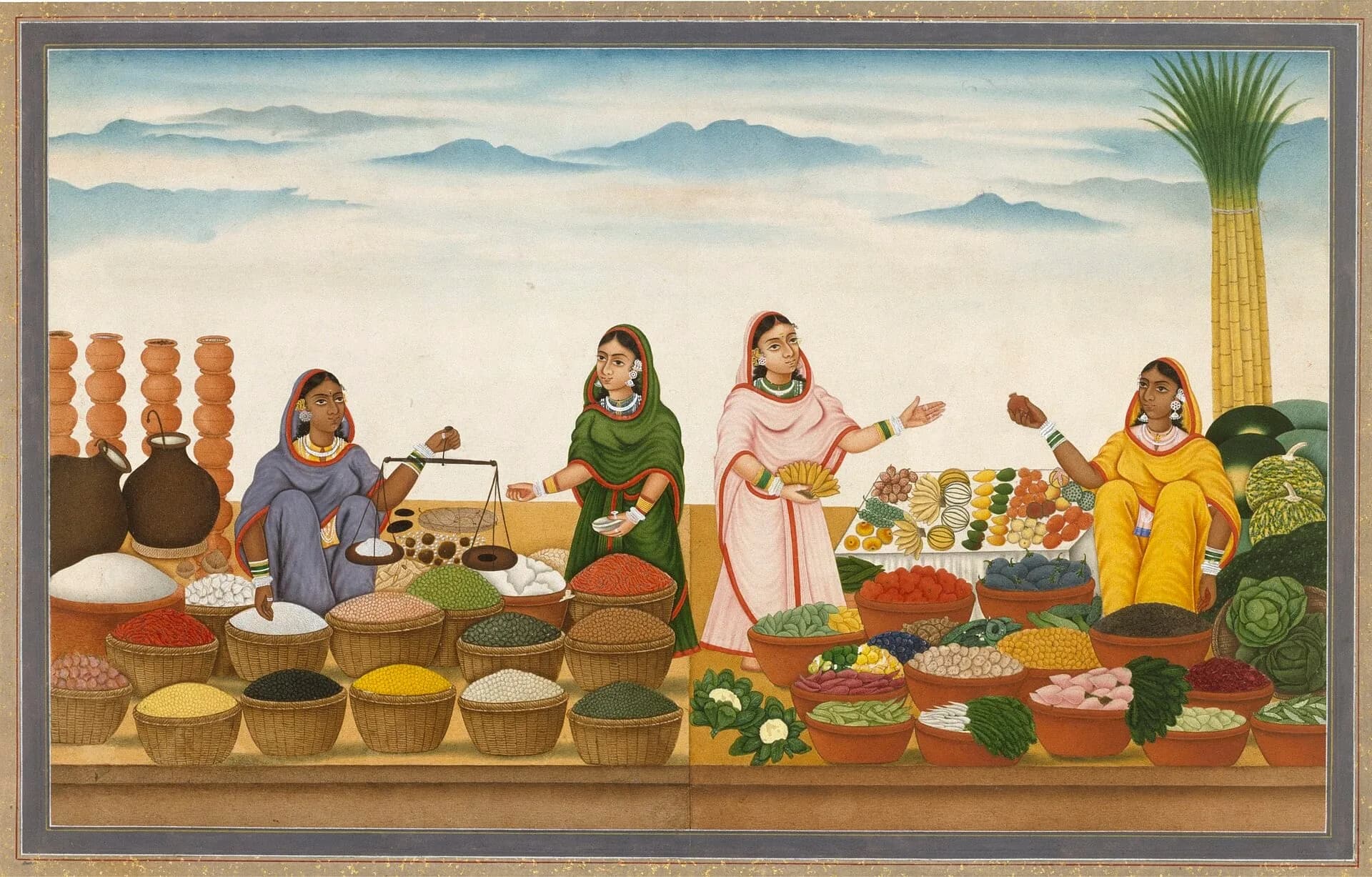
India imports a large share of its edible oil and some of its pulses. Bigger MSP hikes for mustard, safflower and masur fit with the government's National Mission on Edible Oils-Oilseeds and its mission for self-reliance in pulses.
For farmers in Rajasthan, Madhya Pradesh, Uttar Pradesh and Haryana, a higher mustard MSP can make it a more attractive alternative to wheat this winter, provided government procurement actually reaches their mandis. Read our report on the Pulses Mission and PM Dhan-Dhaanya Krishi Yojana.
How much will the government spend?
According to Manorama Yearbook, the government estimates it will pay farmers about ₹90,962 crore for procuring around 324 lakh tonnes of rabi crops in the 2027-28 marketing year.
What farmers should keep in mind
- MSP is a floor, not a guarantee. It helps most where government agencies buy the crop, such as wheat in Punjab, Haryana and Madhya Pradesh. In many states, farmers sell below MSP to private traders.
- Register early on your state's procurement portal if you plan to sell to the government.
- Check mandi prices on e-NAM or your state's agriculture portal before selling.
- Consider crop diversification where soil, water and local markets allow.
What it means for consumers
MSP changes have only a small direct effect on retail prices, which depend more on harvest size, stocks, exports and global prices. A modest wheat MSP rise is unlikely to push up atta prices on its own.
Related reading
Sources
This article draws on the following reporting. Dates are when each source was originally published.
- Kalkine Media: Rabi MSP 2027-28: Safflower gets highest hike, wheat at Rs 2,610
- Manorama Yearbook: Cabinet approves hike in MSP for rabi crops for 2027-28 season
- Business Standard: Cabinet hikes MSP for all rabi crops; safflower gets ₹675 increase
Written by
Stories, explainers and features published by The Daily, based on public sources that are listed with every article.
More from The Daily →Enjoyed this story?
Get the best of The Daily in your inbox every Sunday.