BIMSTEC's First Home Ministers' Meet Adopts the Delhi Declaration: What It Means for Terrorism, Drugs and Cyber Scam Trafficking
Seven Bay of Bengal countries met in New Delhi and approved five security agreements, from a convention against human trafficking to a disaster plan. Here is what was agreed and why it matters.
For the first time, the home ministers of the seven BIMSTEC countries sat around one table. At the meeting in New Delhi on October 13, chaired by Union Home Minister Amit Shah, they adopted the Delhi Declaration on regional security and approved five agreements covering human trafficking, drugs, terror funding, illegal money flows and disasters.
Here is what was agreed, and why it matters for ordinary people as well as governments.
Quick answer
- What: the first BIMSTEC Home Ministers' Meeting, held in New Delhi on October 13, 2026.
- Who: Bangladesh, Bhutan, India, Myanmar, Nepal, Sri Lanka and Thailand.
- Outcome: the Delhi Declaration, plus five security instruments, including a convention against human trafficking and a plan of action on drug control.
- Big focus: terrorism, narcotics, and online scam centres that trap trafficked workers.
- Next: members agreed to meet regularly, hosting future meetings in turn.
What is BIMSTEC?
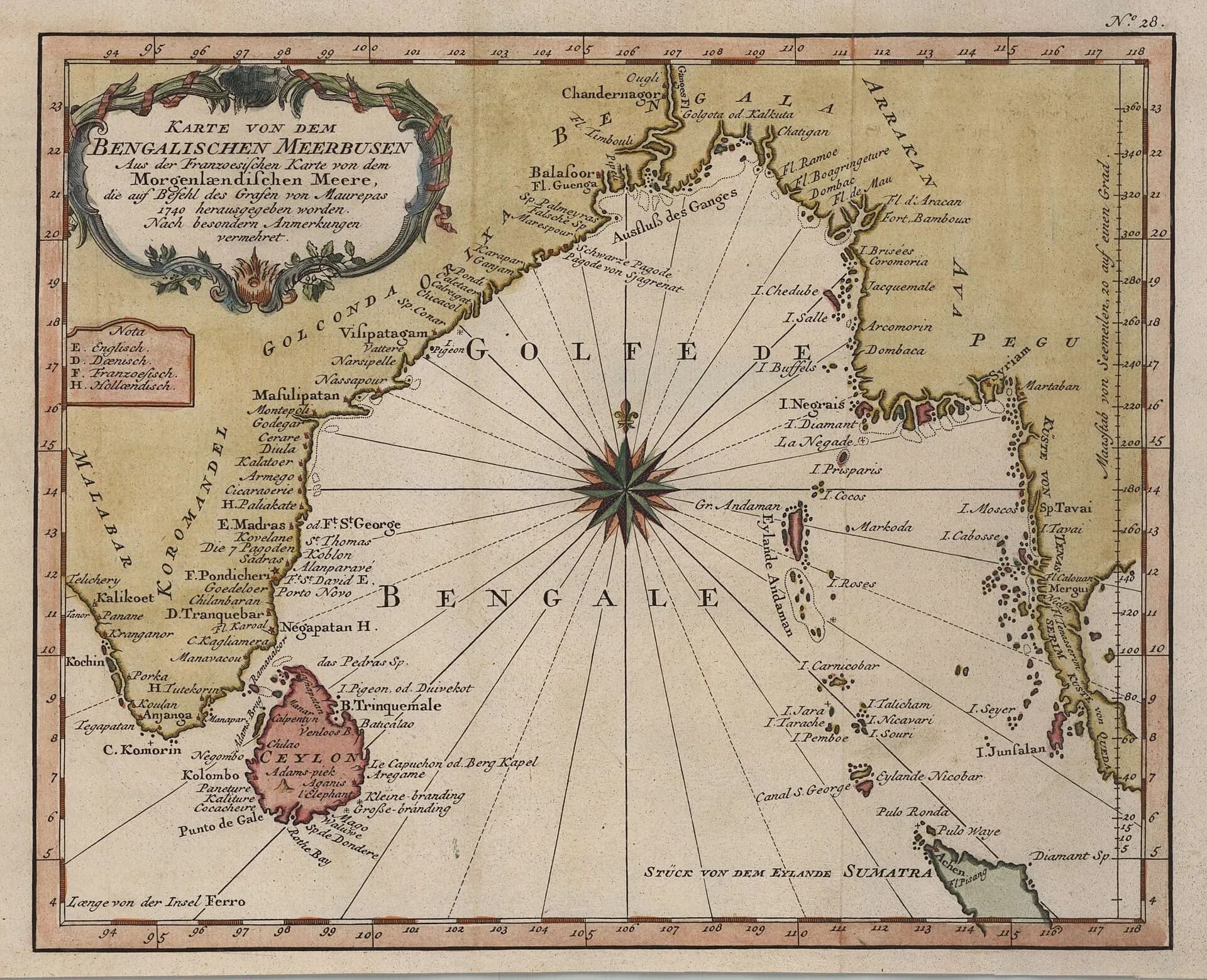
BIMSTEC, the Bay of Bengal Initiative for Multi-Sectoral Technical and Economic Cooperation, links five South Asian countries with two in Southeast Asia, all around the Bay of Bengal. It was set up in 1997 and its secretariat is in Dhaka.
For India, BIMSTEC is a key part of its "Neighbourhood First" and "Act East" policies, and it has become more important as the older South Asian grouping, SAARC, has largely stalled.
The five agreements
According to reports of the meeting, ministers approved:
- A BIMSTEC Convention against Human Trafficking, covering prevention, prosecution and protection of victims.
- A Plan of Action on Drug Control, against trafficking of narcotics, psychotropic substances and the chemicals used to make them.
- An agreement (MoU) on building capacity to fight money laundering and terror financing.
- A Plan of Action on illicit financial flows, to identify their sources, risks and channels.
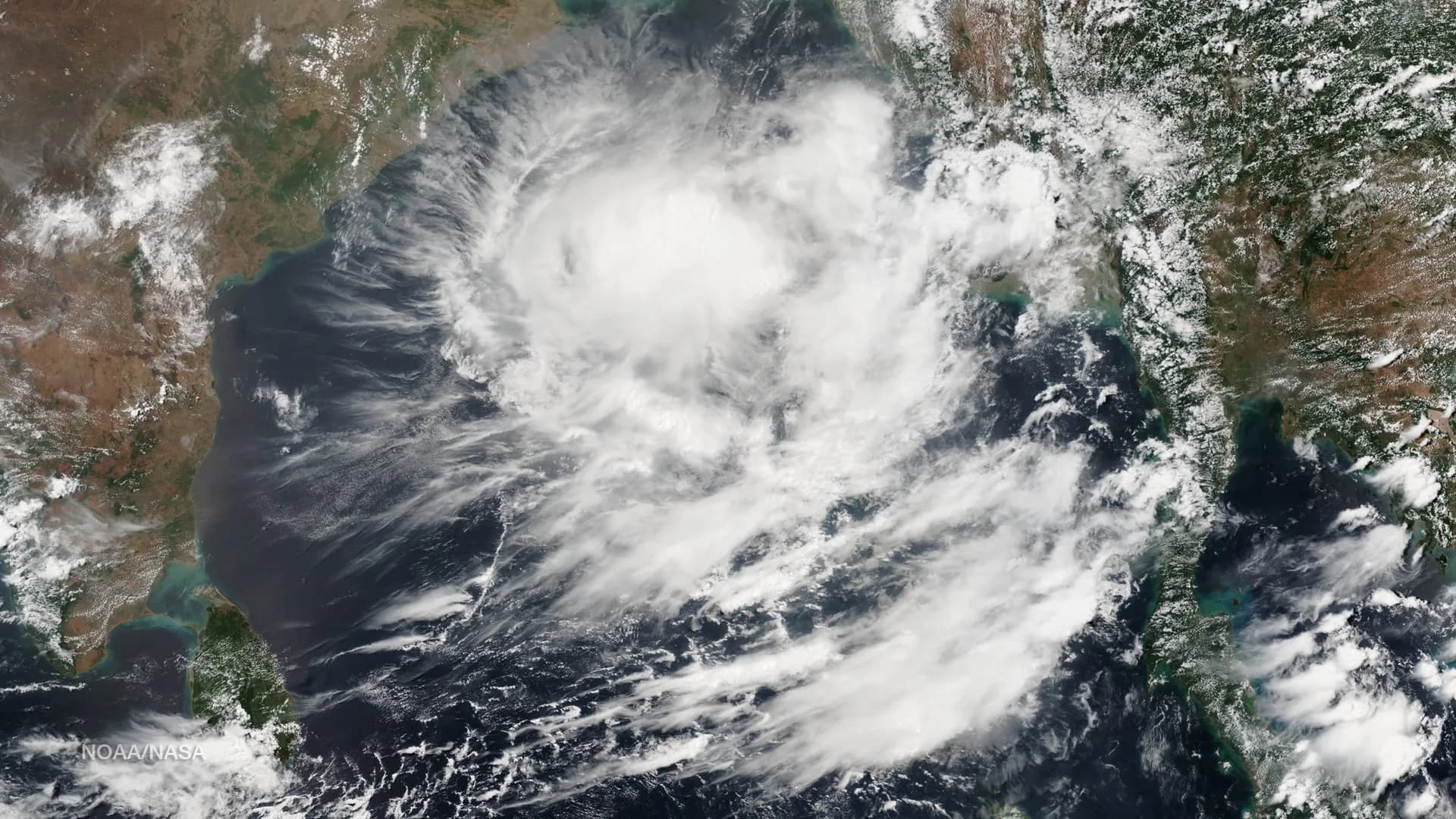
- A Plan of Action on disaster preparedness in the Bay of Bengal, including early warning and tsunami risk reduction.
What the Delhi Declaration says
The declaration:
- condemns terrorism in all its forms, including cross-border terrorism, and calls for full implementation of UN Security Council sanctions, including those of the 1267 Committee, which lists terrorists linked to al-Qaeda and ISIS;
- calls for joint action against radicalisation, terror financing, drug smuggling, cybercrime, money laundering and organised crime;
- highlights online scam operations that trap trafficked people, and calls for cooperation between countries of origin, transit and destination, with a victim-centred approach;
- stresses information sharing, mutual legal assistance and extradition of fugitives.
What Amit Shah said
Shah said India follows a policy of "zero tolerance" towards terrorism, and described drug trafficking as "death trafficking". He said the problem "cannot be tackled by the efforts of a single country alone" and called for a whole-of-region approach. He also pointed to a proposed BIMSTEC centre for disaster management in Jamnagar, Gujarat.
On the sidelines, Shah met Nepal's Home Minister Sudhan Gurung, and both sides reaffirmed their commitment to deepen cooperation.
Why it matters to you
1. Cyber scam compounds. In recent years, many young people from India and neighbouring countries have been lured by fake job offers to scam centres in Southeast Asia, where they are forced to run online frauds. Regional cooperation on rescue, prosecution and extradition could help break these networks. If you get an overseas job offer, check that the recruiter is registered with the government and be wary of offers that seem too good to be true.
2. Drugs. The region sits close to major drug-producing areas, and narcotics move across land and sea borders. A shared plan of action could improve intelligence sharing and joint operations.
3. Disasters. The Bay of Bengal faces cyclones, floods and the risk of tsunamis. Better early-warning systems and coordinated response can save lives across all seven countries.
4. Fugitives and money laundering. Faster mutual legal assistance and extradition make it harder for criminals and fugitive economic offenders to hide across borders.
The challenges
Declarations are only a first step. BIMSTEC has often been criticised for slow implementation, and relations among members can be complicated, including India's ties with Bangladesh and the political situation in Myanmar. The real test will be whether the conventions are ratified and whether police and intelligence agencies actually share information in time.
Still, a regular home ministers' meeting gives the region a new platform to tackle problems that no single country can solve alone.
Related reading
Sources
This article draws on the following reporting. Dates are when each source was originally published.
- Asianet Newsable: BIMSTEC Home Ministers' meet approves key pacts on security, terror
- The Kashmir Images: BIMSTEC adopts Delhi Declaration; aims to combat cross-border terrorism, narcotics smuggling
- DD News: India to host first BIMSTEC Home Ministers' meeting in New Delhi on October 13
- The Tribune: Home Minister Amit Shah meets Nepal counterpart Sudhan Gurung
Written by
Stories, explainers and features published by The Daily, based on public sources that are listed with every article.
More from The Daily →Enjoyed this story?
Get the best of The Daily in your inbox every Sunday.