Breast Cancer Awareness Month: The Early Signs, a Simple Self-Check and When Indian Women Should Get Screened
Breast cancer is now the most common cancer among Indian women, and too many cases are found late. October is a good time to learn the signs, do a monthly self-check and talk to your doctor about screening.
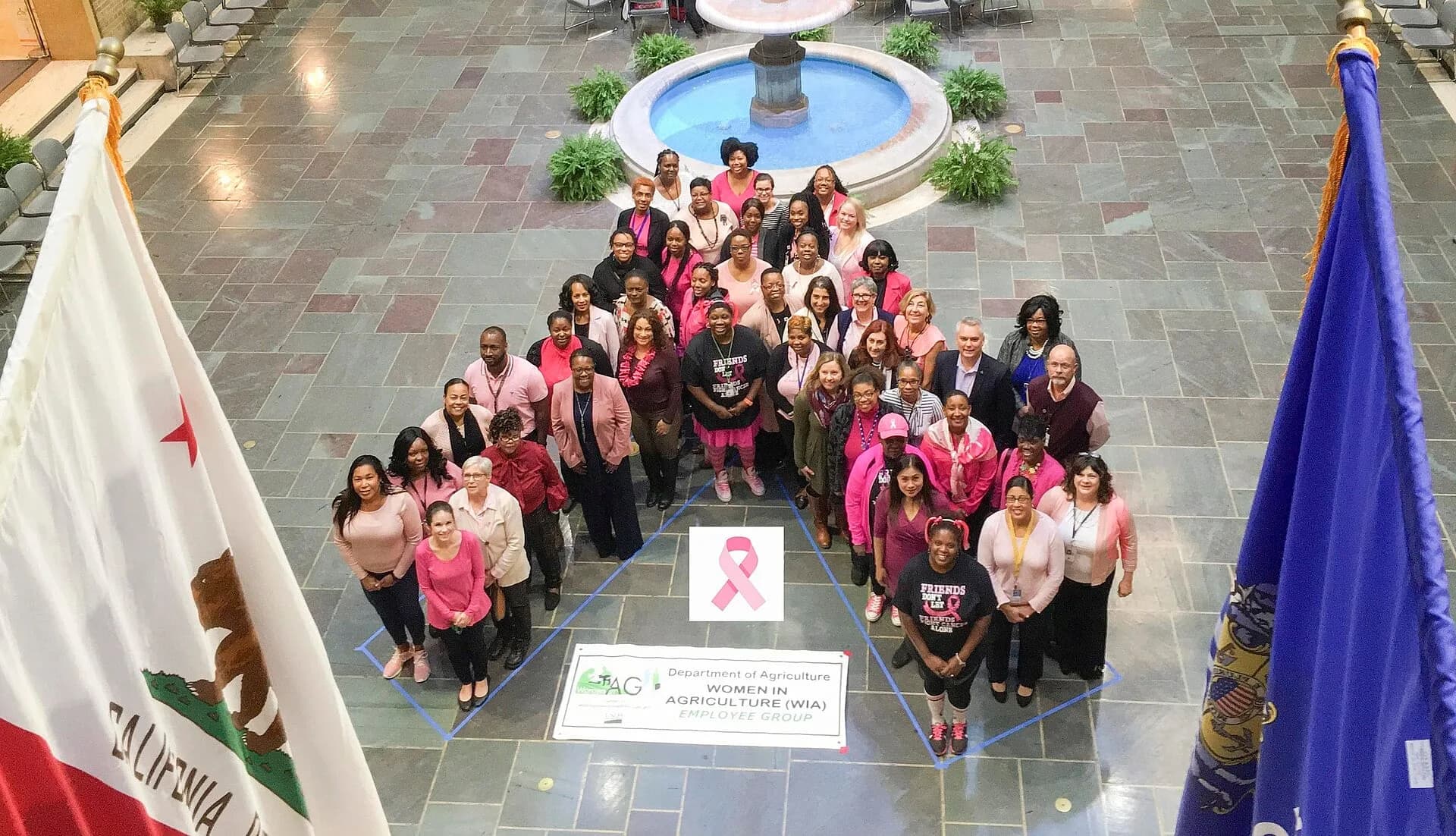
October is Breast Cancer Awareness Month, marked around the world with pink ribbons. In India, the message matters more every year. Breast cancer is now the most common cancer among Indian women: according to GLOBOCAN 2022 estimates cited in a government policy brief, India sees about 1.92 lakh new cases and about 97,000 deaths a year.
The biggest problem is late diagnosis. Many women in India see a doctor only when the cancer has already grown or spread, when treatment is harder and outcomes are worse. Knowing the signs and acting early can change that.
Quick answer
- Most common sign: a lump or thickening in the breast or underarm, often painless.
- Do a monthly self-check so you know what is normal for you.
- See a doctor quickly if you notice any change, even if it doesn't hurt.
- Screening: ask your doctor about a clinical breast examination; mammograms are usually advised from around 40 to 50 onwards, depending on your risk.
- Early-stage breast cancer is highly treatable.
The warning signs
According to the World Health Organization, see a doctor if you notice:
- a lump or thickening in the breast or armpit, even if painless;
- a change in the size, shape or look of a breast;
- dimpling, redness or puckering of the skin, like orange peel;
- a nipple that turns inward, or changes in the nipple or the dark skin around it (areola);
- abnormal or bloody discharge from the nipple.
Most breast lumps are not cancer. But only a doctor can tell, so don't wait to see if it goes away.
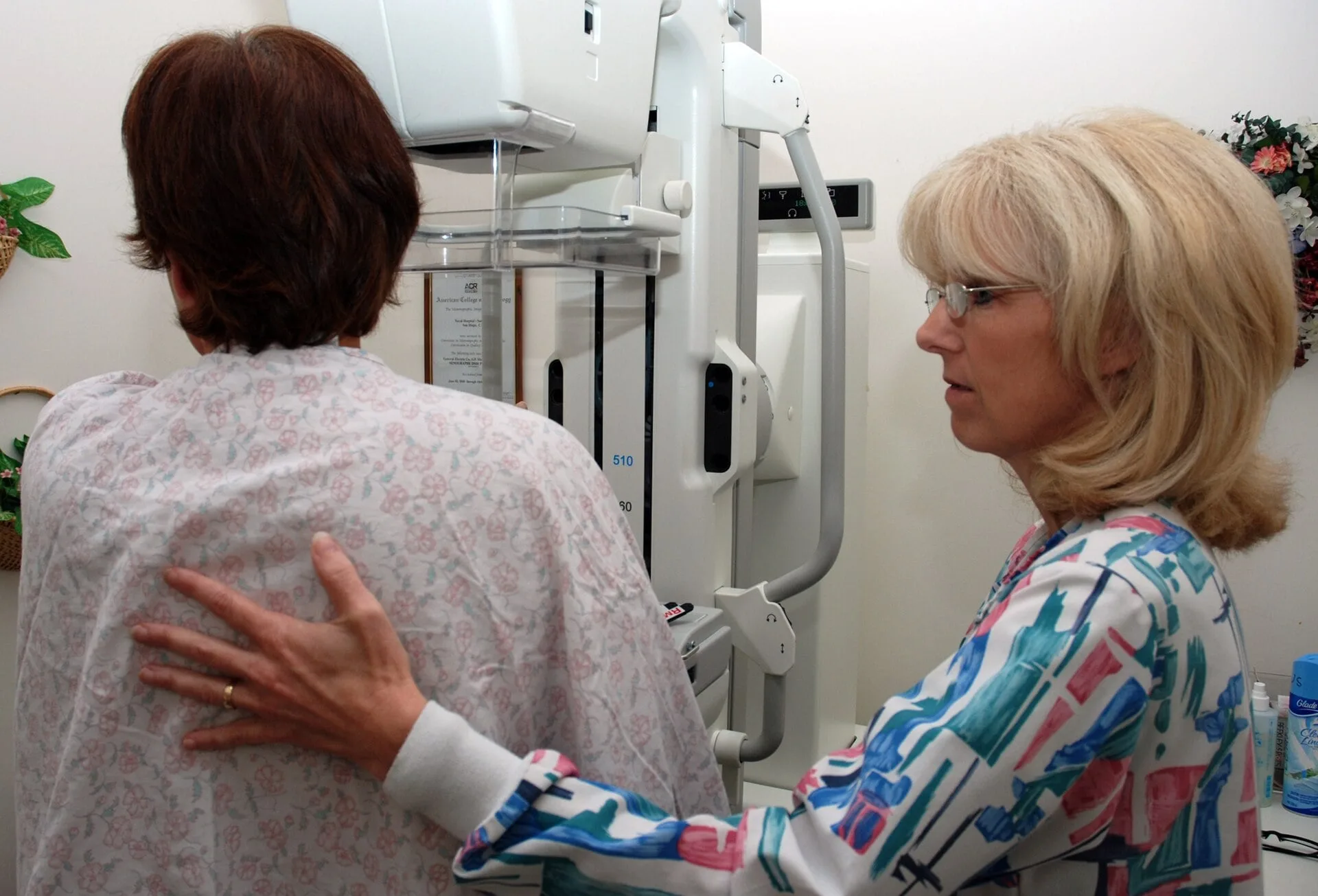
A simple monthly self-check
Doctors call this breast awareness: knowing how your breasts normally look and feel so you notice changes early. A good time is a few days after your period ends, when breasts are least tender. After menopause, pick the same date each month.
- Look in the mirror with your arms at your sides, then raised above your head. Check for changes in shape, skin or nipples.
- Feel while lying down. Use the flat pads of your three middle fingers. Move in small circles, covering the whole breast from the collarbone to below the breast, and from the armpit to the breastbone.
- Use different pressure: light, medium and firm.
- Check the armpits for lumps.
- Feel in the shower too, when soapy skin makes it easier.
A self-check is not a substitute for screening, but it helps you spot changes sooner.
Who is at higher risk?
The WHO lists these risk factors:
- being a woman and getting older;
- a family history of breast or ovarian cancer, and inherited gene changes such as BRCA1 and BRCA2;
- obesity, especially after menopause;
- alcohol and tobacco use;
- some reproductive factors and hormone therapy after menopause;
- past radiation to the chest.
But the WHO also notes that many women who get breast cancer have no risk factors other than sex and age. That is why every woman should be breast-aware.
Breast cancer is also being seen in younger women in India. If you are in your 30s and notice a change, don't assume you are too young.
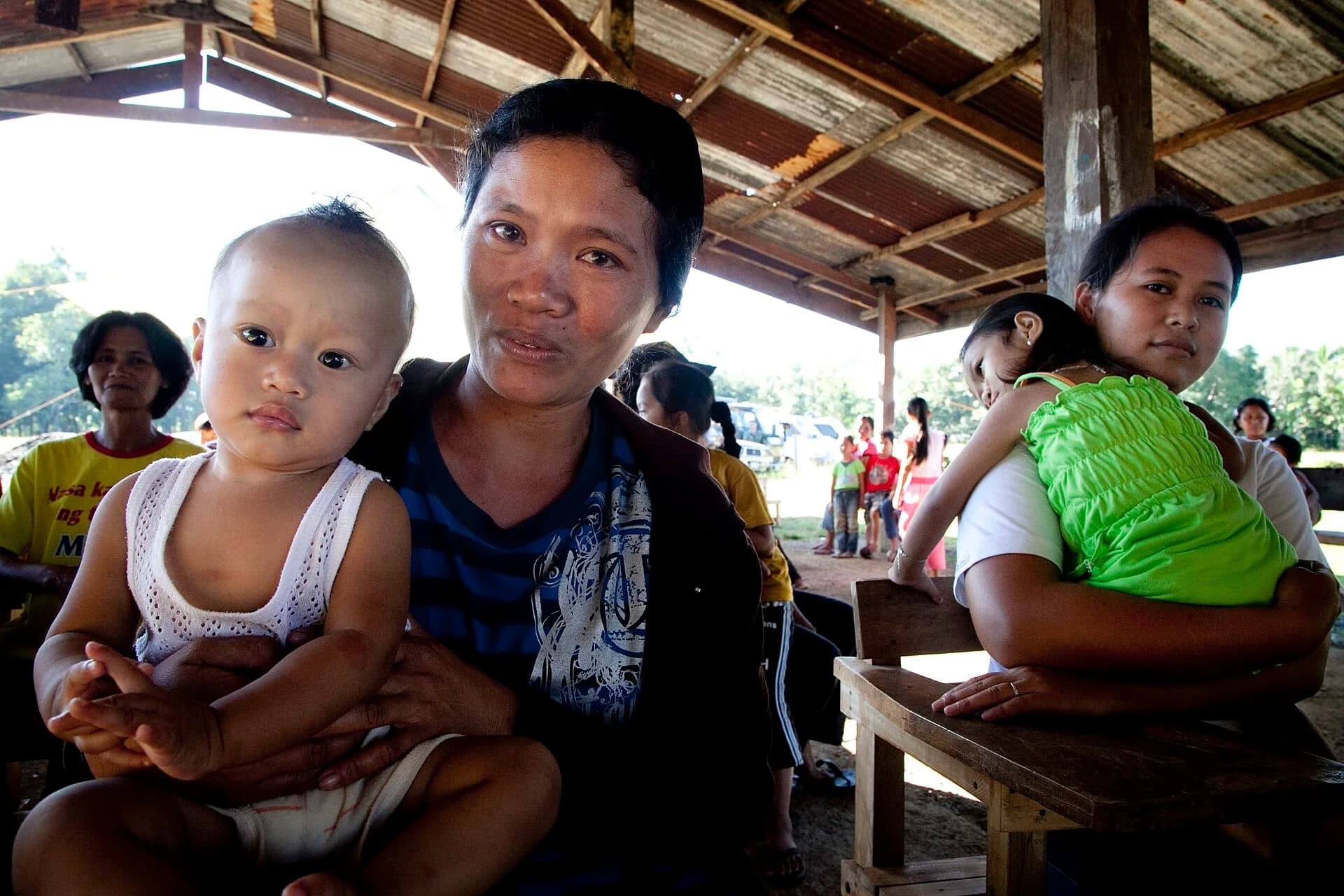
Screening: what are the options?
- Clinical breast examination (CBE): a trained doctor or health worker examines your breasts. A long-running trial in Mumbai found that CBE every two years by trained primary health workers helped find breast cancers at earlier stages. A government policy brief found CBE for women over 30 to be a cost-effective screening approach for India.
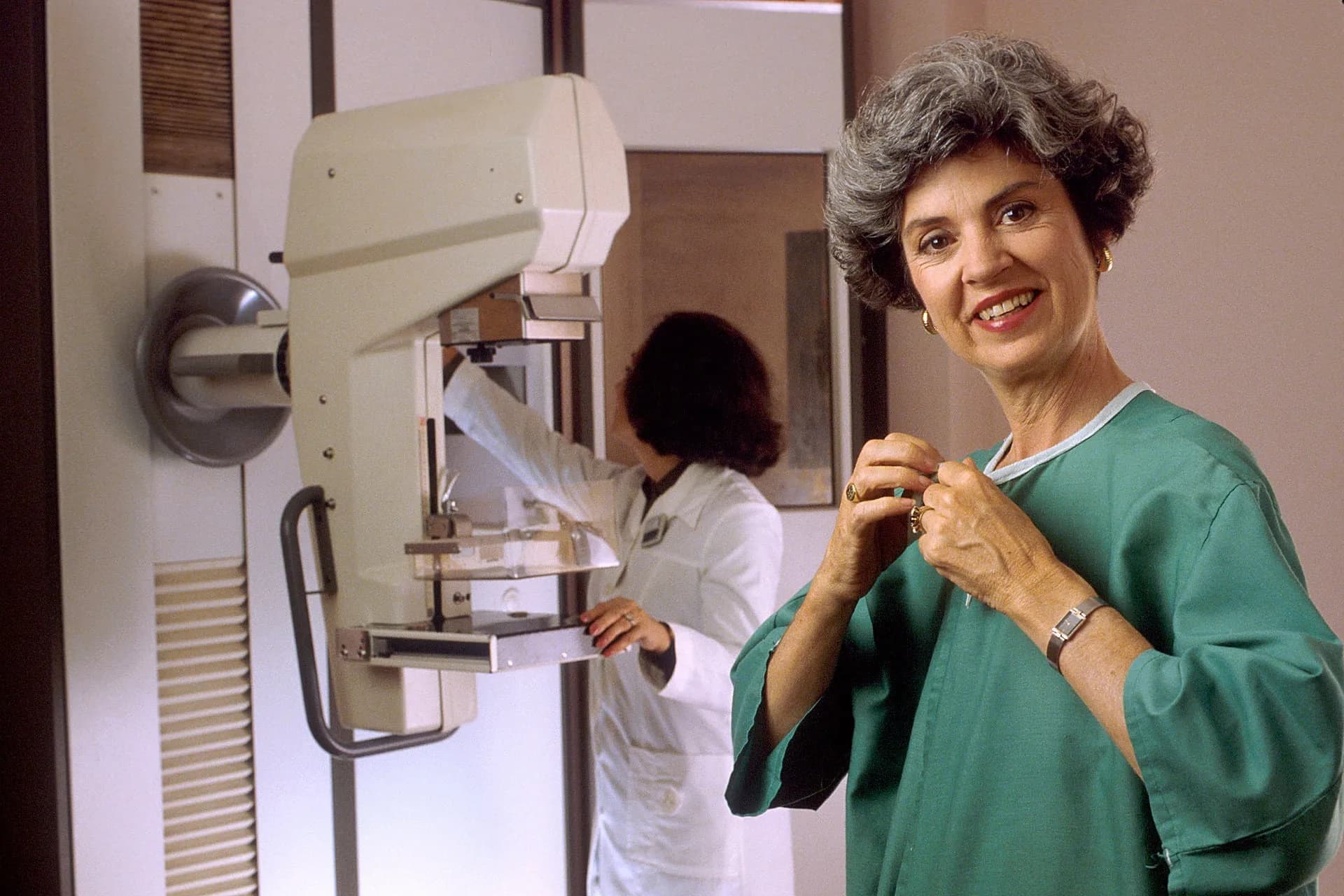
- Mammography: a low-dose X-ray of the breast. The WHO notes that screening programmes usually offer it to women aged 50 to 69; many Indian doctors advise starting earlier, especially with a family history.
- Ultrasound is often used for younger women with denser breast tissue, or to check a lump.
- Genetic counselling may be advised if several close relatives have had breast or ovarian cancer.
Many government health centres now offer screening for common cancers, including breast cancer, to adults over 30. Ask at your nearest Ayushman Arogya Mandir or district hospital.
Lower your risk
- Stay active: aim for at least 150 minutes of moderate activity a week.
- Keep a healthy weight, especially after menopause.
- Avoid alcohol and tobacco.
- Breastfeed if you can; it lowers the risk.
- Eat well, with plenty of vegetables, fruit and fibre; see our guide to fibre and gut health.
Fight the fear and stigma
Many women delay seeing a doctor because of embarrassment, fear of the diagnosis or the cost of treatment. Talk openly with your family, and encourage mothers, sisters and friends to get checked. Men can get breast cancer too, though it is rare; they should also report any lump.
With early detection, most women with breast cancer can be treated successfully and return to normal life.
Related reading
Sources
This article draws on the following reporting. Dates are when each source was originally published.
- World Health Organization: Breast cancer: fact sheet
- Health Technology Assessment in India (DHR): Policy brief: breast cancer screening, Lucknow Cancer Institute (March 2024)
- The BMJ (via PubMed Central): Effect of screening by clinical breast examination on breast cancer incidence and mortality after 20 years: cluster randomised trial in Mumbai
Written by
Stories, explainers and features published by The Daily, based on public sources that are listed with every article.
More from The Daily →Enjoyed this story?
Get the best of The Daily in your inbox every Sunday.