Stroke: Learn 'BE FAST' Before World Stroke Day. The Signs, Why Every Minute Counts and How to Lower Your Risk
India records more than 12 lakh new strokes a year, and most patients reach hospital too late for the best treatment. A simple guide to spotting a stroke, what to do next and how to prevent one.
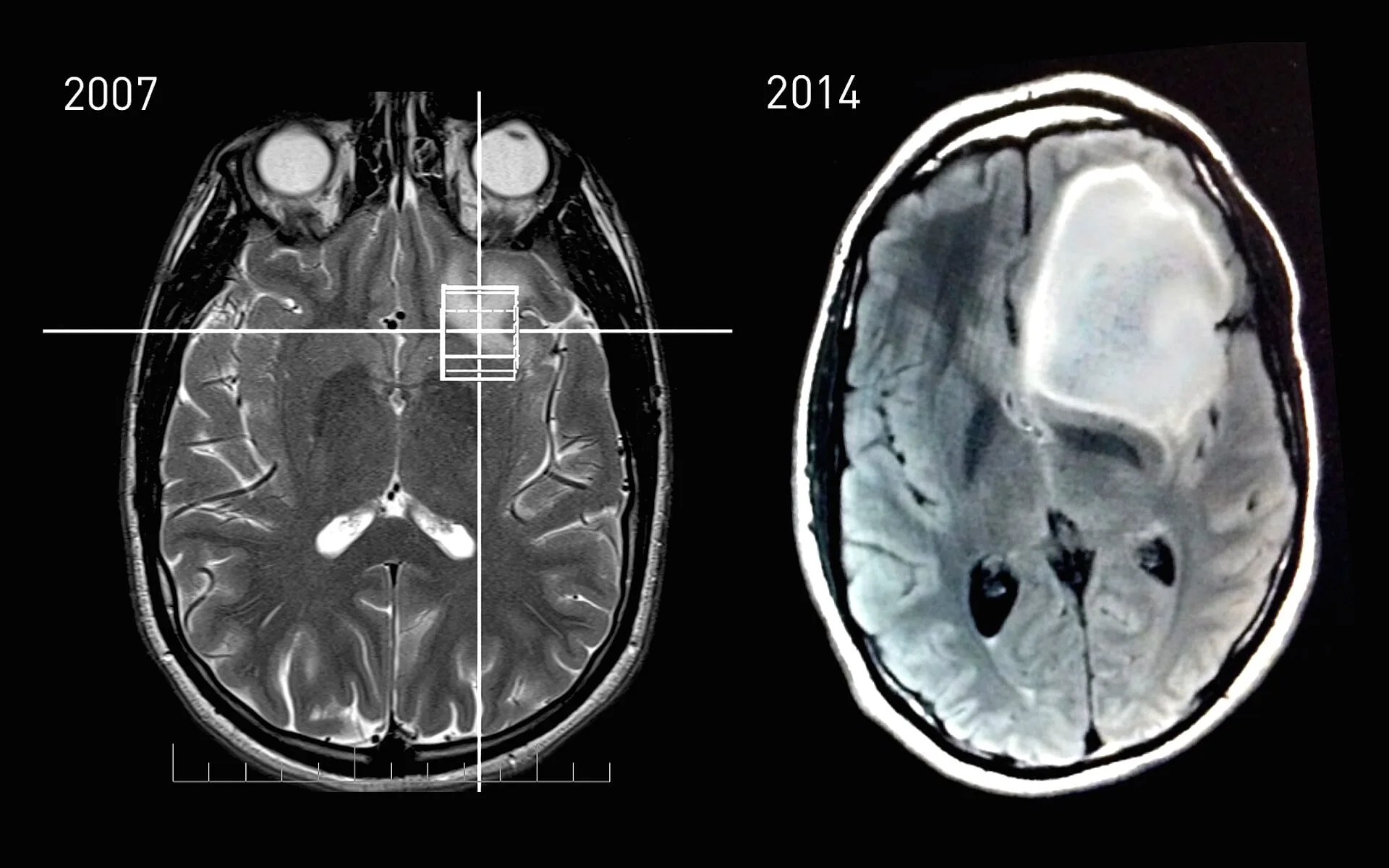
A stroke happens when blood supply to part of the brain is suddenly blocked or a blood vessel in the brain bursts. Brain cells start dying within minutes. That is why doctors say "time is brain": the faster a person gets treatment, the better the chance of survival and recovery.
World Stroke Day falls on October 29. In India, the need for awareness is urgent. A Lancet Neurology study found India recorded more than 12.5 lakh new strokes in 2021, up from about 6.5 lakh in 1990, and the number of people living after a stroke rose from 44 lakh to 94 lakh.
Quick answer
- Spot a stroke with BE FAST: Balance, Eyes, Face, Arms, Speech, Time.
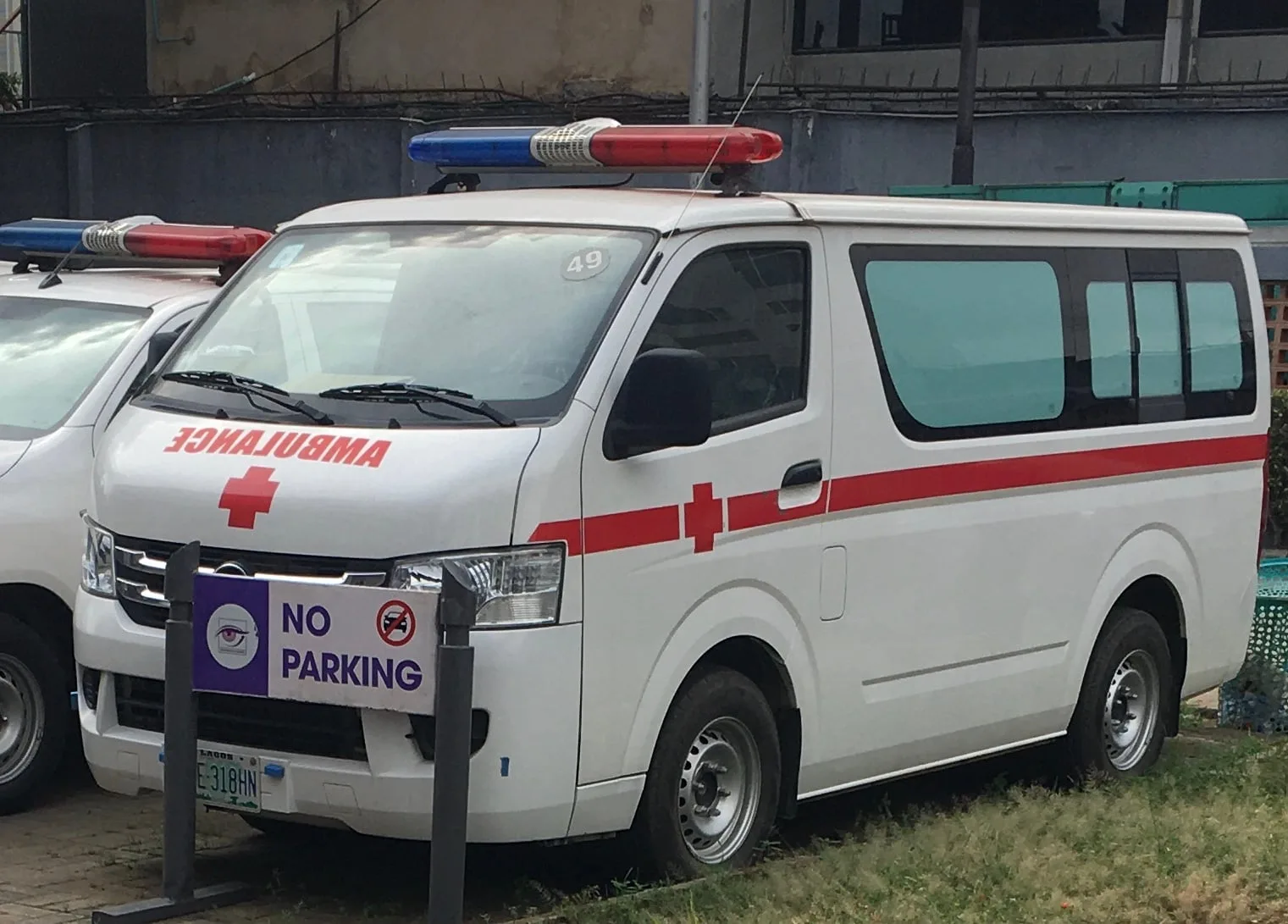
- Call an ambulance immediately: dial 108 or 112. Do not wait to see if symptoms pass.
- Note the time the person was last seen normal. Doctors need it to decide on treatment.
- Clot-busting medicine works best within about 4.5 hours of symptoms starting.
- High blood pressure is the biggest risk factor you can control.
BE FAST: how to recognise a stroke
Stroke symptoms come on suddenly. Use BE FAST:
- B for Balance: sudden dizziness, loss of balance or trouble walking.
- E for Eyes: sudden blurred vision, double vision or loss of sight in one or both eyes.
- F for Face: ask the person to smile. Does one side of the face droop?
- A for Arms: ask them to raise both arms. Does one arm drift down or feel weak or numb?
- S for Speech: is their speech slurred or strange? Can they repeat a simple sentence?
- T for Time: if you see any of these signs, call for help immediately.
A sudden, severe headache, unlike any before, can signal a bleeding stroke and also needs emergency care.
The types of stroke
According to the World Health Organization:
- Ischaemic stroke: a clot blocks a blood vessel in the brain. This is the most common type.
- Haemorrhagic stroke: a blood vessel in the brain bursts and bleeds.
- Transient ischaemic attack (TIA) or "mini-stroke": a brief blockage that causes stroke symptoms for a few minutes and then goes away. A TIA is a warning sign: many people have a full stroke soon after. Always see a doctor urgently.
Why every minute counts
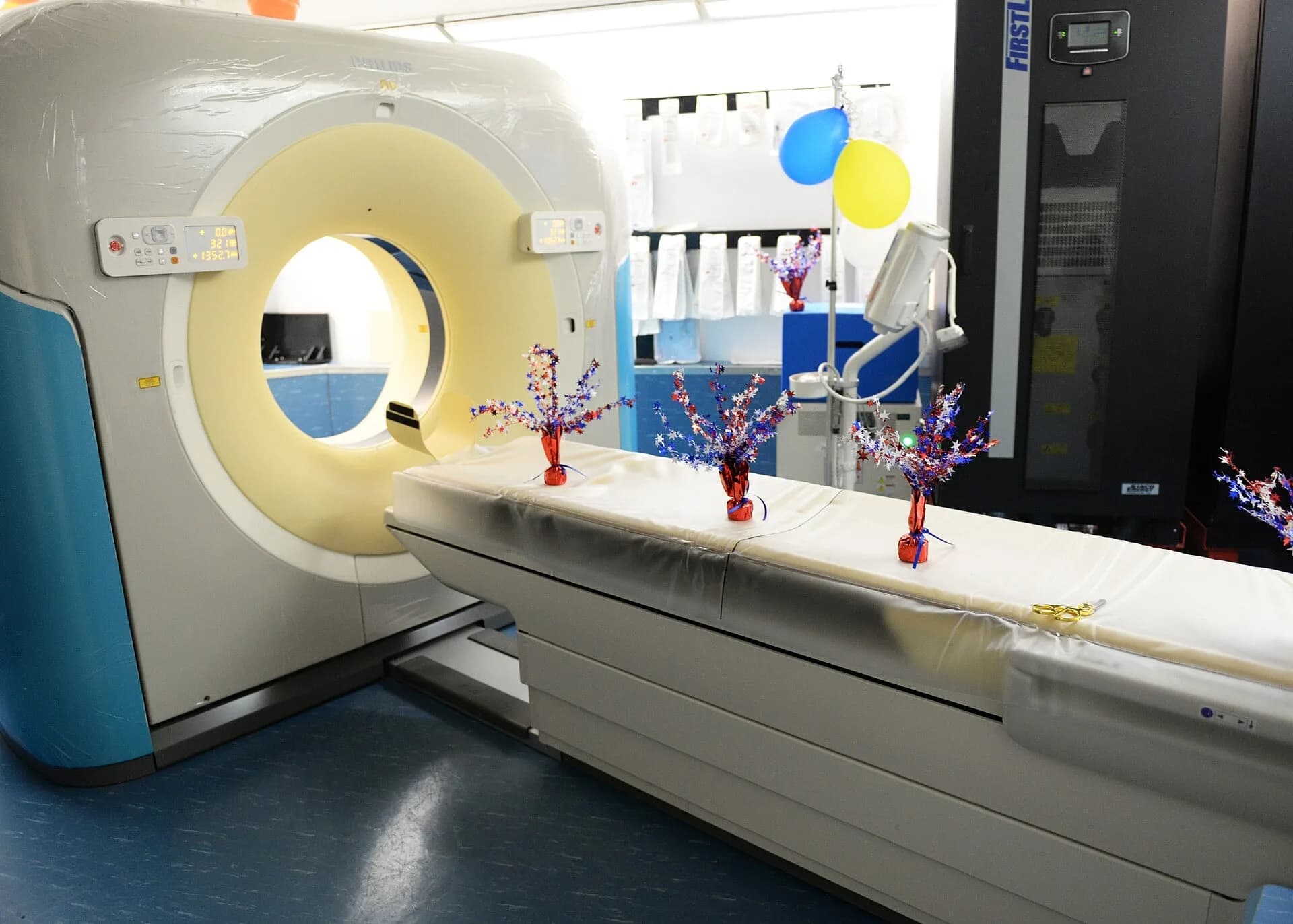
For ischaemic strokes, doctors can give clot-busting medicine (thrombolysis), usually within about 4.5 hours of symptoms starting. Some patients with a large blocked artery can also have the clot removed through a catheter (mechanical thrombectomy), in selected cases up to 24 hours after onset. Both need a CT or MRI scan first to confirm the type of stroke.
The challenge in India is getting to the right hospital in time. A 2024 survey of Indian hospitals published in the Journal of Emergencies, Trauma and Shock found that thrombectomy was available in only about a third of the hospitals surveyed, and far fewer offered round-the-clock scans and clot-busting treatment. Many patients also arrive a day or more after symptoms begin.
What to do if you suspect a stroke
- Call 108 or 112 immediately.
- Note the time symptoms started, or when the person was last seen normal.
- Keep the person lying on their side with the head slightly raised, especially if they are vomiting.
- Don't give food, water or medicines, including aspirin, unless a doctor says so. Swallowing may be affected, and aspirin is harmful if the stroke is caused by bleeding.
- Go to a hospital that can treat strokes, one with a 24-hour CT scan and a neurologist. If you can, find out in advance which hospitals near you have a stroke unit.
- Don't waste time on home remedies or waiting for symptoms to improve.
Who is at risk?
The WHO says high blood pressure is the leading contributor to stroke. Other risk factors include:
- tobacco use, including smoking and chewing tobacco;
- diabetes and high cholesterol;
- obesity, physical inactivity and an unhealthy diet high in salt;
- heavy alcohol use;
- air pollution;
- heart rhythm problems such as atrial fibrillation;
- age and a previous stroke or TIA.
Strokes are increasingly seen in younger adults too, often linked to high blood pressure, diabetes and smoking.
How to lower your risk
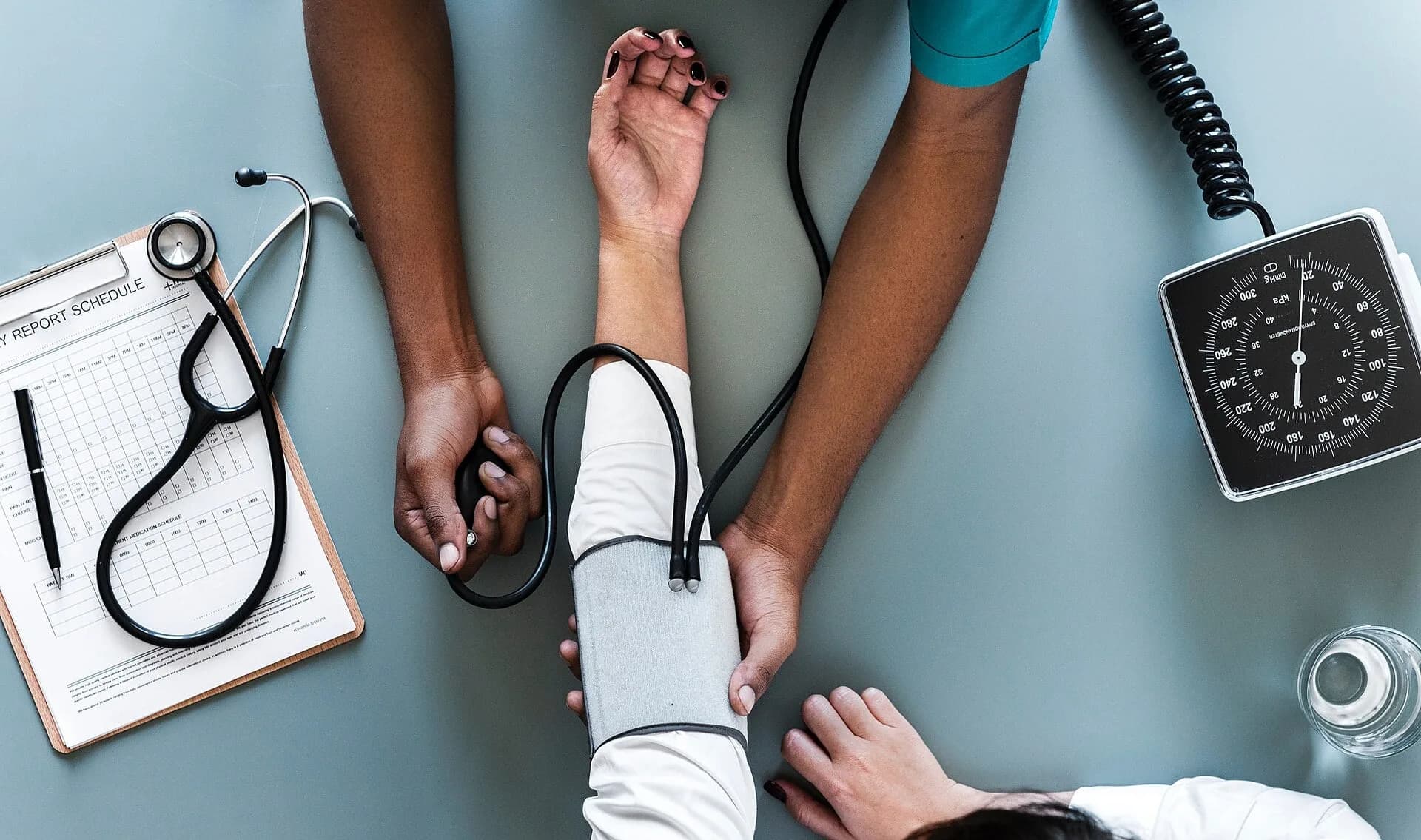
- Check your blood pressure regularly, even if you feel fine. High blood pressure often has no symptoms. Take medicines as prescribed.
- Cut down on salt; read our guide to hidden salt and blood pressure.
- Stay active: the WHO recommends about 150 minutes of moderate exercise a week. Even a walk after meals helps.
- Quit tobacco and limit alcohol.
- Manage diabetes and cholesterol with regular check-ups.
- Eat more fruit, vegetables and whole grains, and less fried and processed food.
- Protect yourself from heavy pollution where you can.
Life after stroke
Recovery can continue for months. Physiotherapy, speech therapy and family support make a big difference. The World Stroke Organization marks 20 years of its World Stroke Day campaign in 2026, with a focus on the voices of stroke survivors.
Related reading
Sources
This article draws on the following reporting. Dates are when each source was originally published.
- World Health Organization: Stroke: fact sheet
- Down To Earth: Global stroke rates climb, India faces 51% spike in cases over 30 years: Lancet
- Journal of Emergencies, Trauma and Shock: Stroke care readiness in Indian hospitals (August 2024)
- World Stroke Organization: World Stroke Day campaign
Written by
Stories, explainers and features published by The Daily, based on public sources that are listed with every article.
More from The Daily →Enjoyed this story?
Get the best of The Daily in your inbox every Sunday.