Dengue Season 2026: Delhi Crosses 799 Cases. The Symptoms, Warning Signs and Simple Ways to Protect Your Family
Cases are rising as the mosquito season peaks in October. What dengue feels like, the danger signs that appear after the fever drops, which medicines to avoid and how to stop mosquitoes breeding at home.
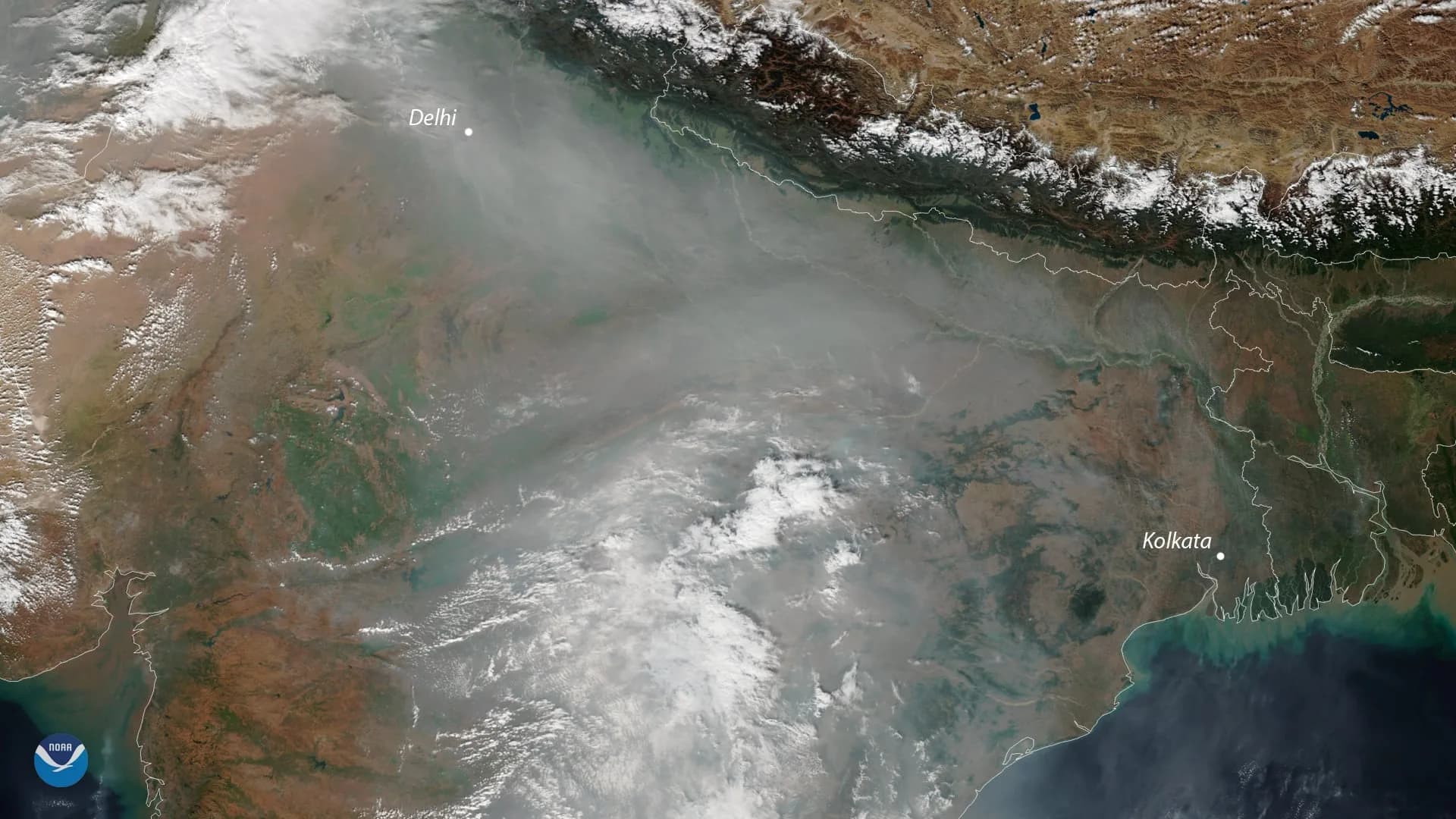
October is peak season for dengue in much of North India, and the numbers are climbing. According to the Municipal Corporation of Delhi's latest weekly report, Delhi has recorded 799 dengue cases so far in 2026, including 202 cases in just the first ten days of October and 104 in the last week reported.
The good news: no dengue or malaria deaths have been reported in Delhi this year, and most dengue cases are mild. But knowing the warning signs can save lives. Here is what you need to know.
Quick answer
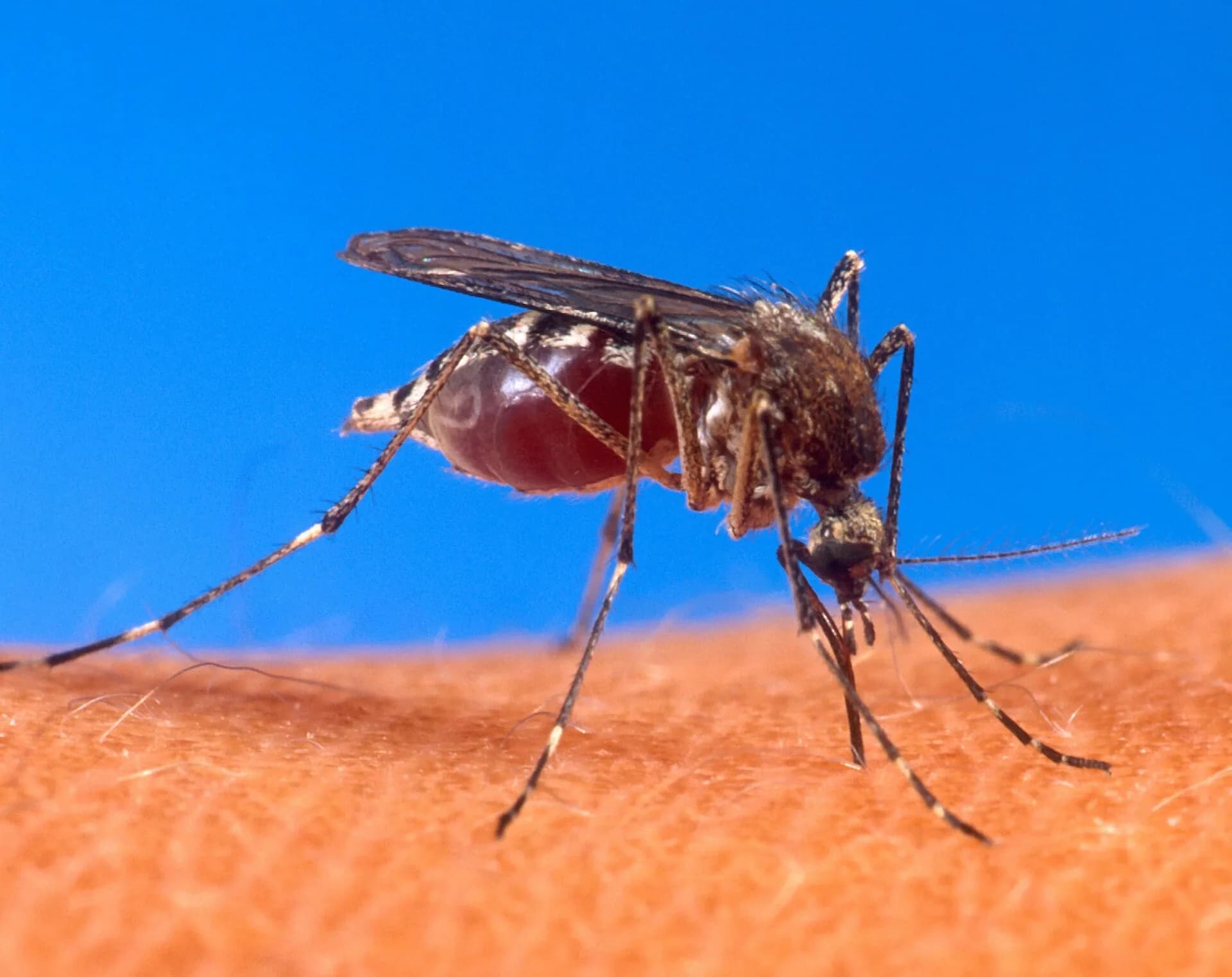
- Dengue spreads through the bite of Aedes mosquitoes, which bite mainly during the day, especially early morning and late afternoon.
- Symptoms start 4 to 10 days after the bite: high fever, severe headache, pain behind the eyes, body and joint pain, nausea and rash.
- Danger period: warning signs often appear after the fever goes down.
- For fever and pain, take paracetamol only. Avoid ibuprofen and aspirin, which can increase bleeding risk.
- Prevention: stop water collecting around your home, and protect yourself from bites.
Delhi's numbers this year
The MCD report, covering the week up to October 10, shows:
- Dengue: 799 cases so far in 2026.
- Malaria: 294 cases.
- Chikungunya: 32 cases, lower than 91 in 2025 and 69 in 2024.
- Mosquito breeding: found in about 1.98 lakh houses out of more than 29 lakh inspections.
That last figure matters most: a large share of dengue mosquitoes breed inside or right next to our own homes.
What dengue feels like
According to the World Health Organization, most people infected with dengue have mild symptoms or none at all. When symptoms do appear, they usually last 2 to 7 days and include:
- sudden high fever, often around 40°C (104°F);
- severe headache and pain behind the eyes;
- muscle and joint pain (which is why dengue is called "breakbone fever");
- nausea and vomiting;
- swollen glands;
- a rash, which may appear a few days into the illness.
Recovery usually takes one to two weeks, and many people feel tired for several weeks afterwards.
The warning signs: don't ignore these
The tricky thing about dengue is that the dangerous phase often begins as the fever goes away, around day three to seven. Seek medical care immediately if you or a family member has:
- severe stomach pain or persistent vomiting (the US CDC flags three or more episodes in an hour);
- bleeding from the gums or nose, or blood in vomit or stool (stool may look black);
- rapid breathing or difficulty breathing;
- extreme thirst, pale and cold skin, restlessness or unusual drowsiness;
- passing very little urine for several hours.
Children, pregnant women, older people and people with diabetes, kidney or heart disease are at higher risk and should see a doctor early. A person who has had dengue before is also at higher risk of severe dengue if infected again.
Treatment: what to do at home
There is no specific medicine that cures dengue. Care focuses on rest, fluids and watching for warning signs.
- Drink plenty of fluids: water, ORS, coconut water, soups and juices.
- Use paracetamol for fever and pain, in the dose your doctor recommends.
- Avoid ibuprofen, aspirin and other painkillers of that type (NSAIDs). The WHO warns they can increase bleeding.
- Get tested if a fever lasts more than a day or two during dengue season. Your doctor may order a blood test and check your platelet count.
- Don't panic about platelets alone. Doctors look at the whole picture, including symptoms, blood pressure and other tests. Follow their advice rather than social media remedies.
How to stop dengue at home
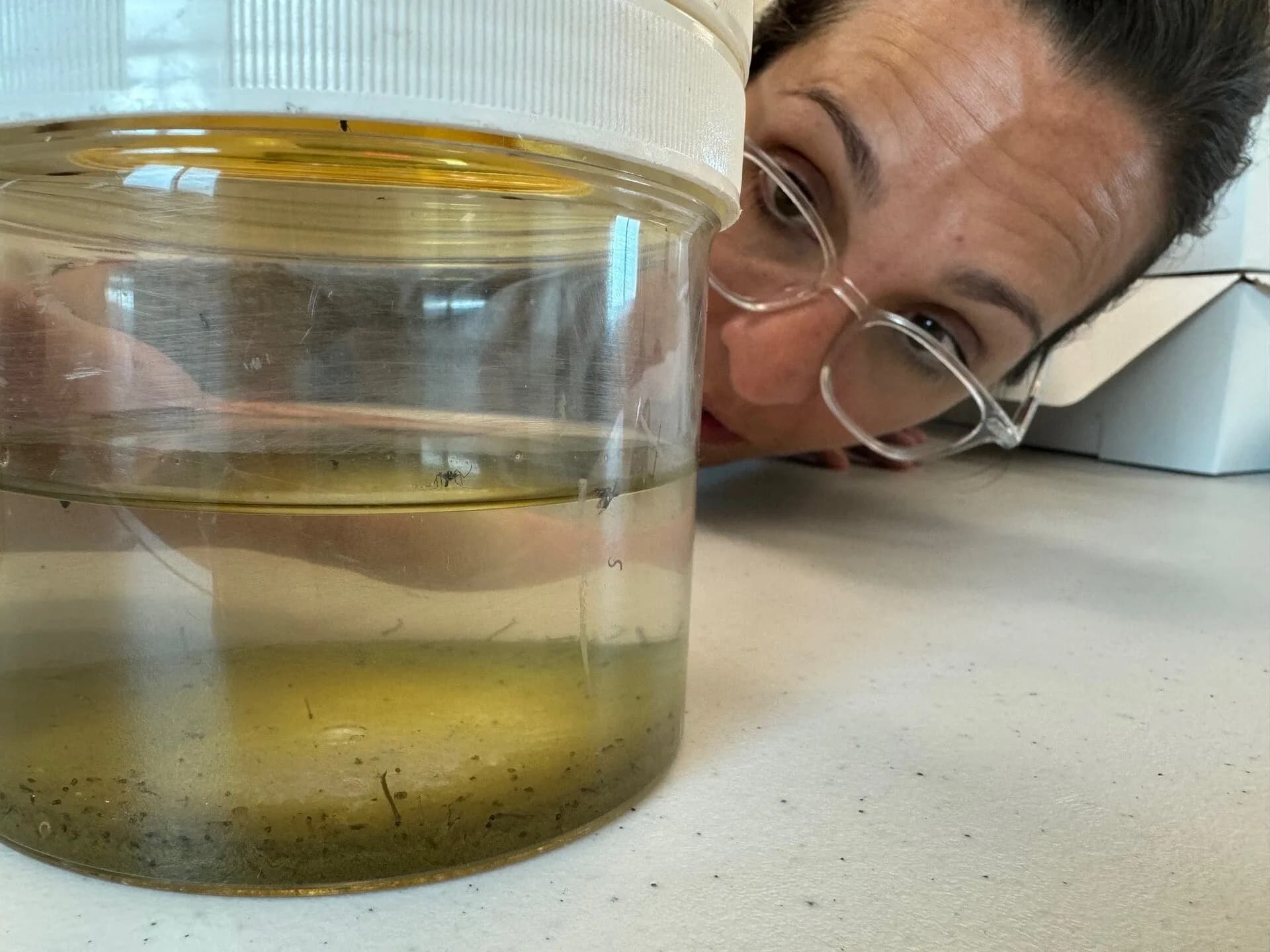
Aedes mosquitoes breed in small amounts of clean, still water. A bottle cap of water is enough. Once a week, do a "dry day" check:
- Empty and scrub coolers, flower-pot trays, pet bowls and buckets.
- Cover water tanks and storage drums tightly.
- Throw away old tyres, coconut shells, broken pots and plastic containers on rooftops and balconies.
- Check the fridge drip tray and plant saucers.
- Clear blocked gutters and drains.
Protect yourself from bites
- Wear full-sleeved clothes and long trousers, especially for children going to school or parks.
- Use mosquito repellent on exposed skin. The WHO lists repellents containing DEET, picaridin or IR3535.
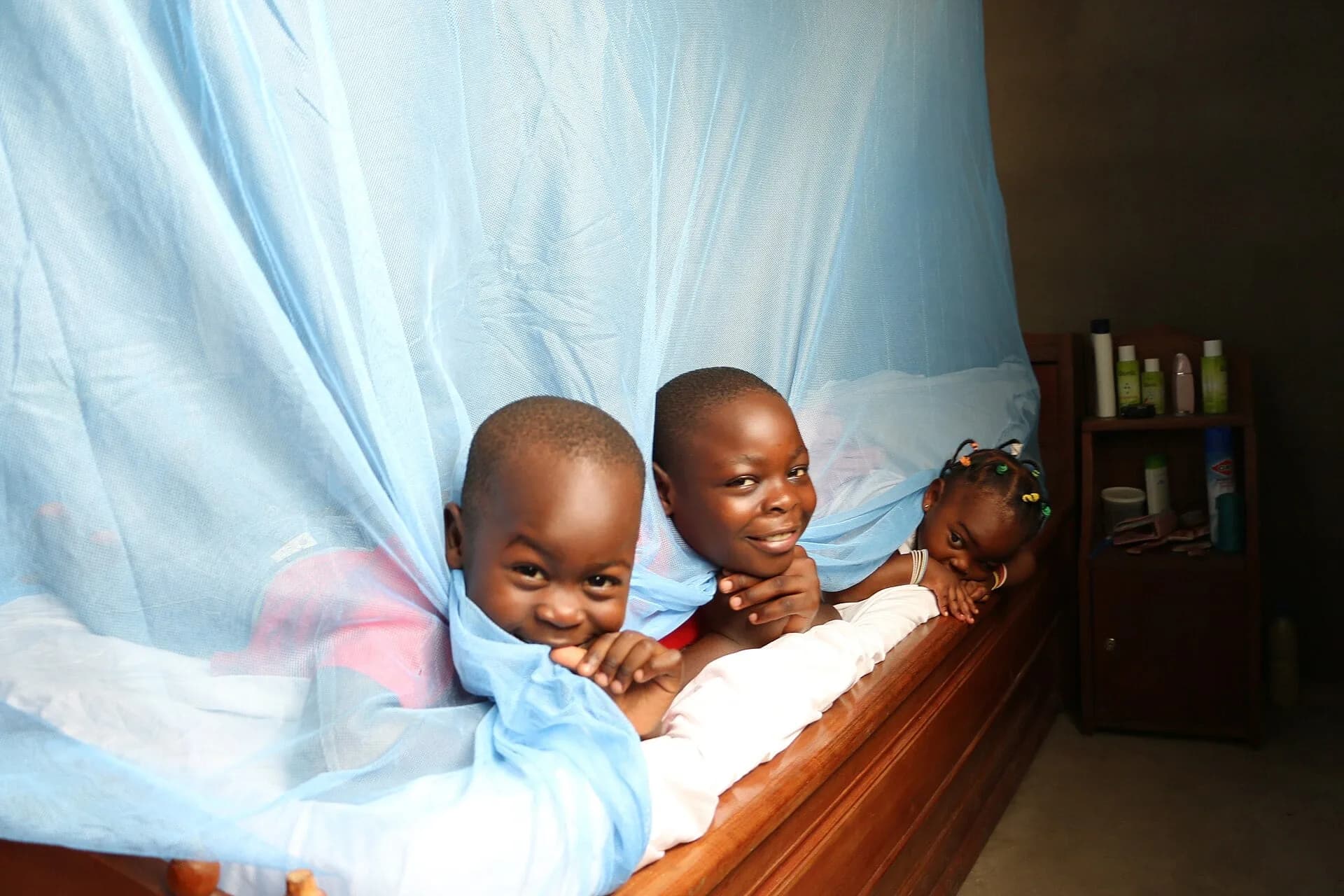
- Use window screens and mosquito nets, including for daytime naps.
- If someone at home has dengue, keep them under a net so mosquitoes cannot pick up the virus and spread it.
Is there a vaccine?
The WHO says one dengue vaccine, QDenga, is licensed in some countries, and recommends it only for children aged 6 to 16 in high-transmission areas. Other vaccines are being tested. For now, preventing mosquito bites remains the main protection.
Related reading
Sources
This article draws on the following reporting. Dates are when each source was originally published.
- Free Press Journal (PTI): Delhi dengue cases reach 799, malaria tally hits 294 as mosquito breeding found in 1.98 lakh houses
- World Health Organization: Dengue and severe dengue: fact sheet
- US Centers for Disease Control and Prevention: Clinical care of dengue
Written by
Stories, explainers and features published by The Daily, based on public sources that are listed with every article.
More from The Daily →Enjoyed this story?
Get the best of The Daily in your inbox every Sunday.