TB in India: The Symptoms to Watch For, Free Treatment and ₹1,000 a Month, and the New Youth 'JOSH' Teams
India still has a quarter of the world's TB cases, but incidence has fallen 21% in a decade. A plain guide to the warning signs, getting tested, free care, and the government's new volunteer drive.
Tuberculosis (TB) is one of India's oldest health problems, and still one of its biggest. According to the World Health Organization, India accounted for about 25% of the world's new TB cases in 2024. Yet TB is preventable and curable, and in India, testing and treatment are free.
On October 8, the government launched a new youth volunteer drive, JOSH (Joint Squad for Health) teams, to take that message into neighbourhoods. Here is what you need to know about TB, and about the new campaign.
Quick answer
- Main warning sign: a cough lasting more than two weeks, especially with fever, weight loss or night sweats.
- TB is curable with daily medicines for four to six months.
- Testing and treatment are free at government health centres.
- Patients get ₹1,000 a month for nutrition through direct bank transfer during treatment.
- JOSH teams of officers, MY Bharat volunteers and NCC cadets will spread awareness and help fight stigma.
The symptoms of TB
TB usually affects the lungs, but it can also affect the lymph glands, spine, brain, kidneys and other organs. According to the WHO, common signs include:
- a long-lasting cough, sometimes with blood;
- chest pain;
- fever, often in the evening;
- night sweats;
- weight loss and loss of appetite;
- weakness and tiredness.
If you or someone at home has a cough for more than two weeks, get checked. Don't assume it's "just a cold" or pollution.
How TB spreads, and who is at risk
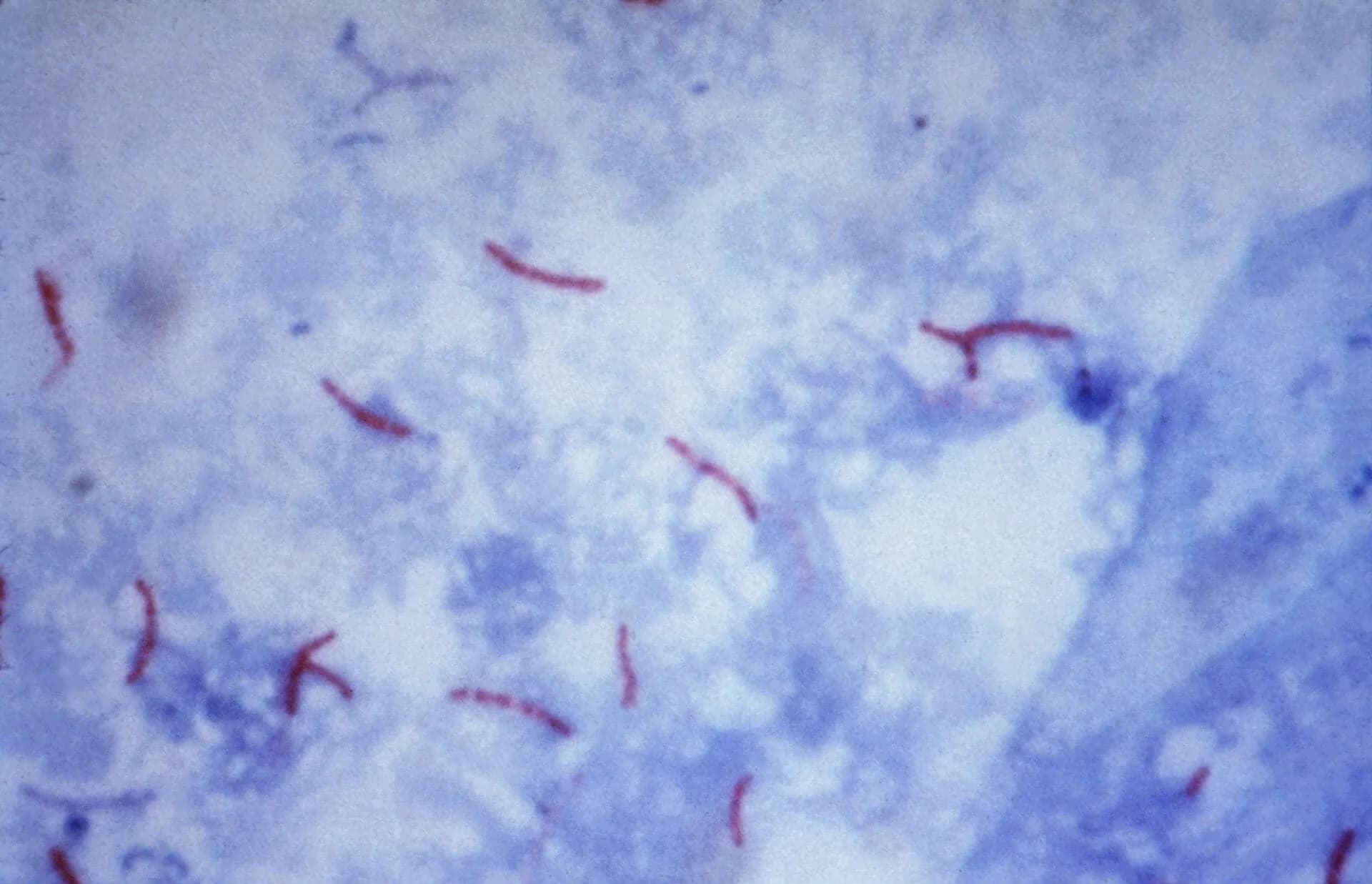
TB bacteria spread through the air when a person with active TB of the lungs coughs, sneezes or spits. Not everyone who breathes them in falls ill: many people carry a dormant TB infection that is not contagious. The WHO says about 5 to 10% of infected people eventually develop TB disease.
The risk is higher for people with:
- diabetes;
- HIV or other conditions that weaken immunity;
- undernutrition;
- smoking or tobacco use;
- heavy alcohol use.
Crowded, poorly ventilated homes and workplaces also increase the risk of spread.
Getting tested and treated
- Where: any government hospital, primary health centre or Ayushman Arogya Mandir. Many private doctors also notify TB cases to the government programme so patients can get free medicines.
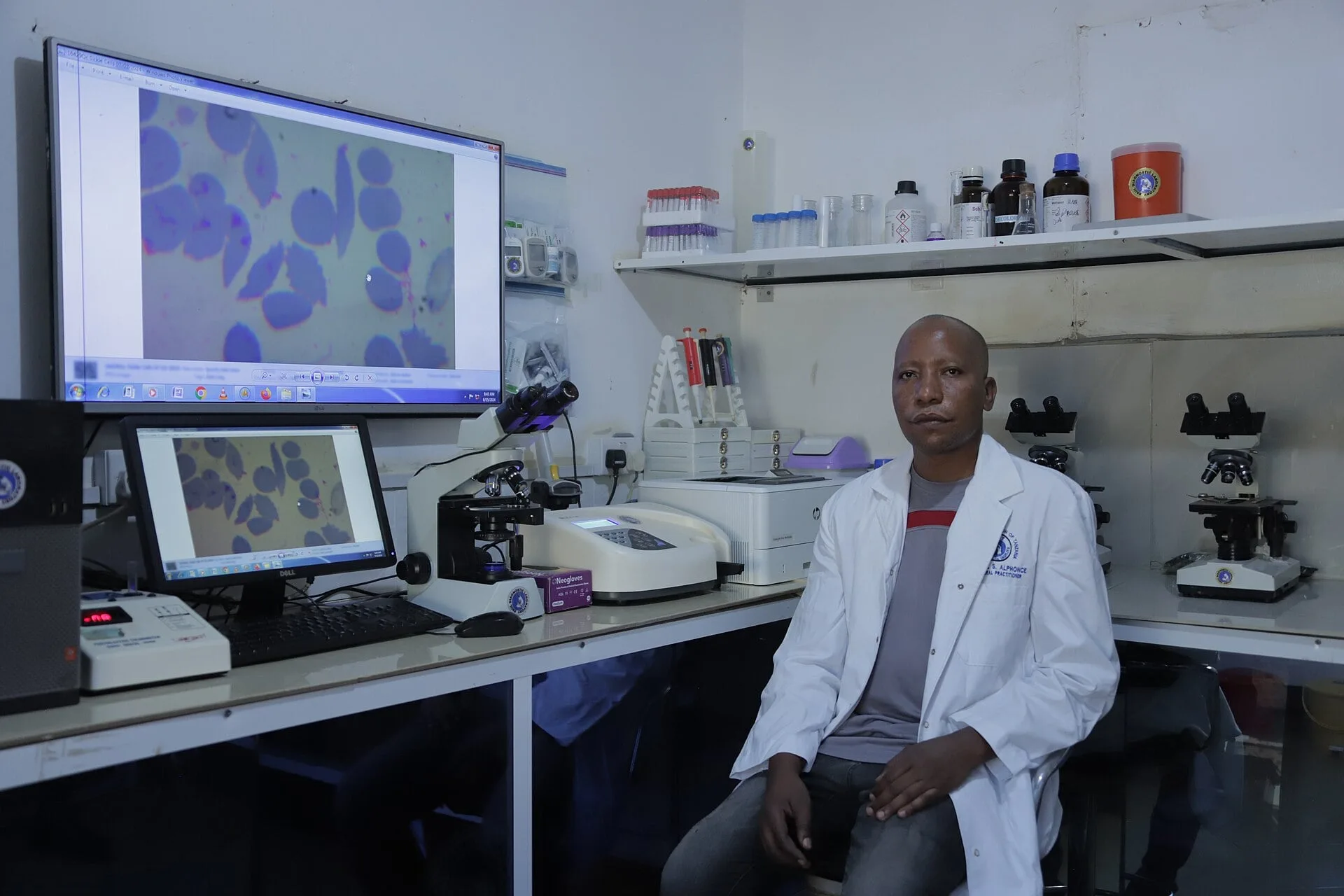
- Tests: a sputum (phlegm) test, often using rapid molecular tests, and sometimes a chest X-ray.
- Treatment: a combination of antibiotics taken every day for four to six months. Most people with lung TB stop being infectious after about two weeks of proper treatment, according to the government's programme material.
- Finish the course. The WHO warns that stopping medicines early, even if you feel better, can make the bacteria drug-resistant. Drug-resistant TB (MDR-TB) needs longer and much tougher treatment.
Support for patients
Under India's National TB Elimination Programme:
- Diagnosis and treatment are free at public facilities.
- Patients receive ₹1,000 a month for nutrition through Nikshay Poshan Yojana, paid directly into their bank account. The amount was raised from ₹500 in 2024.
- Under Ni-kshay Mitra, individuals, companies and organisations can "adopt" TB patients and provide food baskets and support.
The JOSH teams: what's new
The JOSH teams were launched at Bharat Mandapam in New Delhi on October 8 by Union Health Minister J.P. Nadda and Delhi Chief Minister Rekha Gupta, as part of the TB Mukt Bharat Abhiyaan.
- Who's in them: Class-I government officers, MY Bharat youth volunteers and NCC cadets. The Health Ministry is running the initiative with the Ministries of Youth Affairs and Sports and Defence.
- Where: the first phase covers 11 states; reports put it at 55 districts.
- What they will do: spread awareness about symptoms and prevention, encourage people to get tested early, help patients complete treatment, and fight myths and stigma around TB.
At the launch, Nadda cited WHO figures showing a 21% fall in TB incidence in India between 2015 and 2024, faster than the global decline of 12%, and treatment coverage of 92%. But India missed its own target of ending TB by 2025, and the global goal is 2030.
Ending the stigma
Many TB patients delay testing because they fear being shunned at work or in their community. TB is not hereditary, and it is not a sign of poor character or hygiene. Once treatment starts, the risk of spreading it falls quickly. Supporting patients, with food, encouragement and reminders to take medicines, is one of the most useful things families and neighbours can do.
Simple ways to lower the risk
- Ventilation: keep windows open and let sunlight in.
- Cough etiquette: cover your mouth when coughing and don't spit in public.
- Eat well: good nutrition strengthens immunity; see our guide to protein for vegetarians.
- Quit smoking, and manage diabetes with regular check-ups.
Related reading
Sources
This article draws on the following reporting. Dates are when each source was originally published.
- World Health Organization: Tuberculosis: fact sheet
- Medical Dialogues: J.P. Nadda, Delhi CM launch JOSH teams to boost youth participation in TB elimination
- Manorama Yearbook: Centre launches JOSH teams for TB elimination drive
- Legacy IAS (PIB summary): PIB Summaries 14 October 2026: TB elimination, progress, gaps and the JOSH campaign
Written by
Stories, explainers and features published by The Daily, based on public sources that are listed with every article.
More from The Daily →Enjoyed this story?
Get the best of The Daily in your inbox every Sunday.